New — Economy duty-paid: US from $7.88 · UK from $8.26 · EU from $13.59 · nothing to pay on delivery See rates →
Jewena
Journal
Materials Guide

What Does 316L Mean on Jewelry? A Practical Guide
By Kingsheng, Founder 2026-08-04 5 min read
What Does 316L Mean on Jewelry? A Practical Guide

316L stainless steel is the low-carbon version of 316 stainless steel: the same chromium-nickel-molybdenum base, with carbon held to about 0.03% instead of about 0.08%. That single difference matters mainly during welding and high-heat processing, where low carbon helps the steel keep its corrosion resistance. On a finished piece of jewelry worn on skin, 316 and 316L behave almost identically. Both belong to the low nickel-release stainless family that is widely worn on sensitive skin, although neither is nickel-free and neither is a medical guarantee. Both handle water: the steel itself will not rust in the shower or the sea. What varies from piece to piece is the surface finish on top of it.

The marking describes the metal, not the colour or brand. A gold-tone 316 necklace is not solid gold; it is 316 steel with a coloured coating such as PVD or electroplating over it. Understanding what the code means makes it far easier to judge quality and to ask a supplier the right questions.

316 vs 316L: what the 3-1-6-L characters stand for

The "316" is the alloy grade. It belongs to the austenitic stainless steel family and is defined by its chromium, nickel and molybdenum content. As the reference description of SAE 316 sets out, chromium forms the protective surface layer that resists rust, nickel supports the stable austenitic structure, and molybdenum improves resistance to chlorides, the salts present in sweat, seawater and some cleaning products.

The "L" stands for low carbon. Compared with standard 316, 316L holds a lower maximum carbon content, around 0.03%. Lower carbon reduces carbide precipitation during welding or high-heat processing, which helps preserve corrosion resistance. Jewelry rarely faces industrial welding, but the low-carbon grade has become the preferred standard because it performs reliably and is accepted across jewelry, piercing and medical-related supply chains.

Point of comparison316316L
Carbon contentup to about 0.08%up to about 0.03%, the low-carbon version
Chromium, nickel, molybdenumessentially the same austenitic baseessentially the same austenitic base
Corrosion resistance after welding or high heatmore prone to carbide precipitation in the heat-affected zonelow carbon reduces that risk, so resistance is better preserved
Common usesmarine fittings, chemical and food equipment, general corrosion-resistant partswelded assemblies, pharmaceutical and medical-related components, piercing and jewelry supply chains
In finished jewelrycorrosion-resistant and non-tarnishing in normal wearthe same in normal wear; preferred mainly because it is the recognised specification
Nickelheld within the alloy, low release when properly finishedheld within the alloy, low release when properly finished

Read down that table and the honest conclusion is that, for jewelry, the gap between the two grades is narrow. The low-carbon advantage shows up in welded industrial assemblies far more than on a bracelet clasp. 316L became the term buyers ask for because it is the recognised jewelry and piercing specification, not because a 316 chain would tarnish while a 316L one would not.

  • 316: the austenitic stainless steel alloy grade.
  • L: the low-carbon version of that alloy.
  • Key alloying elements: chromium, nickel and molybdenum.
  • Main jewelry benefits: corrosion resistance, durability and low maintenance.
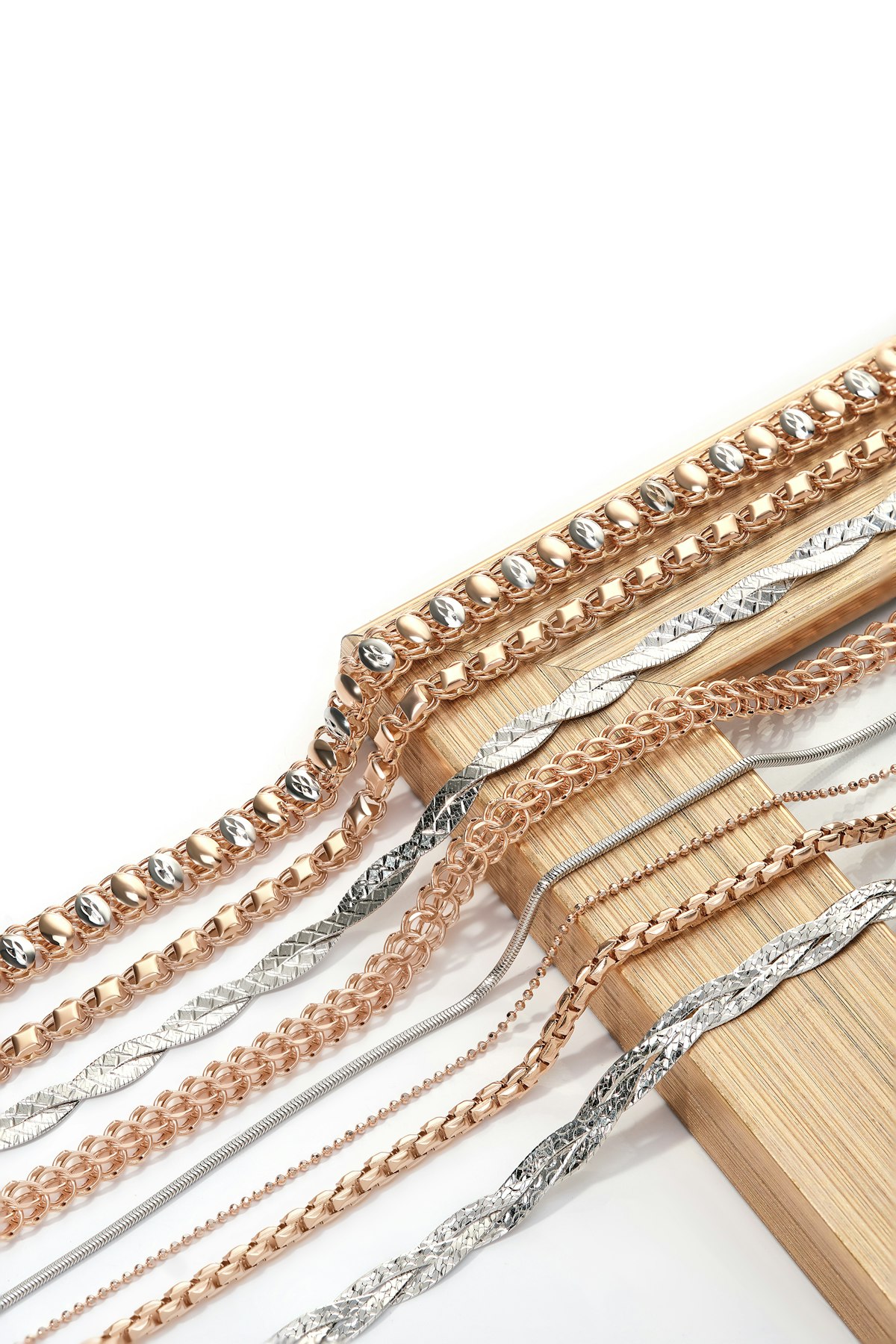
Silver-tone 316L stainless steel jewelry close up
The 316L marking refers to the base metal beneath any plating or colour finish.

Why the grade suits everyday jewelry

The reason 316 is so common in fashion and body jewelry comes down to its chemistry. An overview of 316L properties describes strong general corrosion resistance and good resistance to pitting in chloride environments, exactly the conditions jewelry meets through sweat and washing. Introductory material from worldstainless explains that the chromium in any stainless steel forms a passive layer that re-forms if lightly scratched, which is why polished steel keeps its appearance in humid conditions rather than quickly darkening.

In practical terms, that means 316L is hard, scratch-resistant in normal use, and does not tarnish the way brass or sterling silver do. It also holds plating reliably when the surface is properly prepared, which is why it is chosen for waterproof-style and PVD-plated collections.

Is 316L stainless steel jewelry hypoallergenic?

Mostly, with one qualification that deserves to be stated plainly. 316 and 316L sit in the low nickel-release stainless steel family, which is why they are among the metals most often worn every day by people with sensitive skin and used in healed piercings. What they are not is nickel-free. The alloy contains nickel, held within the austenitic lattice, and individual sensitivity still varies from person to person. Skin-contact nickel release is regulated in the EU under REACH Annex XVII entry 27, using EN 1811 as the test method; whether a given item stays inside those limits is a property of that item and its finish, not something a grade name on its own can prove.

For most wearers, properly finished 316L is comfortable. For anyone with a severe nickel allergy, "hypoallergenic" should not be read as an assurance of no reaction; titanium or niobium may be safer for fresh piercings or prolonged contact, and a doctor's advice is sensible where a reaction is a real concern. On our own range, the base metal and the surface finish are stated per SKU on the product page rather than promised across the whole catalogue, and a sample is the sensible way to test comfort before a bulk run.

Is 316L stainless steel jewelry waterproof?

The steel is. 316 and 316L will not rust or corrode from ordinary contact with water, so showering, hand-washing, rain and swimming do not harm the base metal. Solid, unplated steel is the closest thing to genuinely waterproof jewelry on the market, and it is tarnish-free in the sense a customer cares about: it will not turn black or green the way brass and sterling silver do.

What is not automatically waterproof is the colour on top of it. A gold-tone piece is steel with a coating, applied either by PVD or by conventional electroplating, and any coating is a wear surface. Chlorinated pool water, salt water, perfume, hairspray and abrasive cleaners shorten the life of a coloured finish far faster than plain water does. An anti-tarnish or waterproof claim therefore has to be read as a claim about one specific finish on one specific product, not about stainless steel in general.

That is why the base metal and the finish method are described per SKU on each product page instead of as a single waterproof promise for the catalogue. If water exposure is central to the collection you are building, order a sample and wear-test it before committing to the run. The steel will be fine; what you are really testing is the finish.

How to tell if jewelry is really 316L

It is difficult to confirm the grade by eye, since many stainless steels look alike once polished and plated. Rely on documentation rather than appearance.

  • Read the marking, but do not trust it alone. Look for "316L," "SUS316L" or "316L stainless steel," while remembering that a stamp can be copied.
  • Ask for a material certificate. Mill certificates or material declarations for a production batch can be requested from any supplier.
  • Use XRF testing where it matters. X-ray fluorescence identifies chromium, nickel and molybdenum, which distinguishes 316L from 304 or lower grades.
  • Inspect the plating. On gold or black 316L, a poor coating can fail even when the base metal is correct.
Cleaning stainless steel jewelry with a soft cloth
Plain 316L needs little maintenance; plated finishes should be treated more gently.

How to verify 316L when buying wholesale

For a boutique or brand sourcing at volume, material authenticity is worth confirming before an order rather than after returns arrive. Treat the grade as a written specification, not an assumption.

  • Request the grade in writing, per SKU. Confirm the base metal for every product line rather than assuming one grade across a supplier's catalogue.
  • Ask for material test documentation. Material declarations and, where colour is applied, plating adhesion or salt-spray results can be requested from any supplier.
  • Confirm the finish method. PVD and conventional electroplating behave differently over time, so it is worth knowing which is used.
  • Sample first. Wear-test a sample before committing to a bulk run, since finish and comfort depend on production quality, not the grade alone.

To source on a stated base metal, browse the 316L stainless steel wholesale range, or start from the full wholesale catalogue. Prices are public in USD, unit prices step down automatically at 3 and 10 pieces, ready-stock lines carry no minimum order and ship from Guangzhou in 3-5 working days with tracking. For keeping plated finishes looking new, see the care guide.

FAQ

What is the difference between 316 and 316L stainless steel?

316L is the low-carbon version of 316. Carbon is held to roughly 0.03% instead of roughly 0.08%, while chromium, nickel and molybdenum stay essentially the same. The lower carbon helps the alloy keep its corrosion resistance after welding or high-heat processing. On a finished piece of jewelry the difference in everyday wear is very small, which is why 316L is best understood as the recognised specification rather than a dramatically different metal.

Is 316L stainless steel jewelry really hypoallergenic and waterproof?

Both words need qualifying. 316L is a low nickel-release stainless steel commonly worn daily by people with sensitive skin, but it does contain nickel, individual reactions still vary, and hypoallergenic is not a medical claim; anyone with a severe nickel allergy should consider titanium or niobium and speak to a doctor. On water, the steel will not rust and solid pieces won't tarnish, but on gold-tone pieces it is the coating rather than the steel that decides how the finish survives pools, sea water and cosmetics. Check the material and finish stated on each product page.

Is 316L good quality for jewelry?

Yes. 316L is a durable, corrosion-resistant material well suited to fashion jewelry, body jewelry and waterproof-style collections, valued for its strength, polish quality and low maintenance.

Does 316L jewelry tarnish?

Solid 316L does not tarnish the way sterling silver does. It can still collect dirt, scratch, or be affected by harsh chemicals, but it strongly resists rust and discolouration in normal wear.

Does 316L contain nickel?

Yes. 316L normally contains nickel held within the alloy. Nickel release is typically low when the steel is properly made and finished, but people with a severe nickel allergy should still be cautious.

What does SUS316L mean?

SUS316L is another way of writing 316L stainless steel, using Japanese Industrial Standards terminology. In jewelry listings it refers to the same general material grade.

Can I shower with 316L stainless steel jewelry?

Plain 316L generally handles water well. For plated 316L, frequent showering with soap, shampoo or chlorine can shorten the life of the coating, so coloured pieces are best kept drier.

Contact us

Chat on WhatsApp