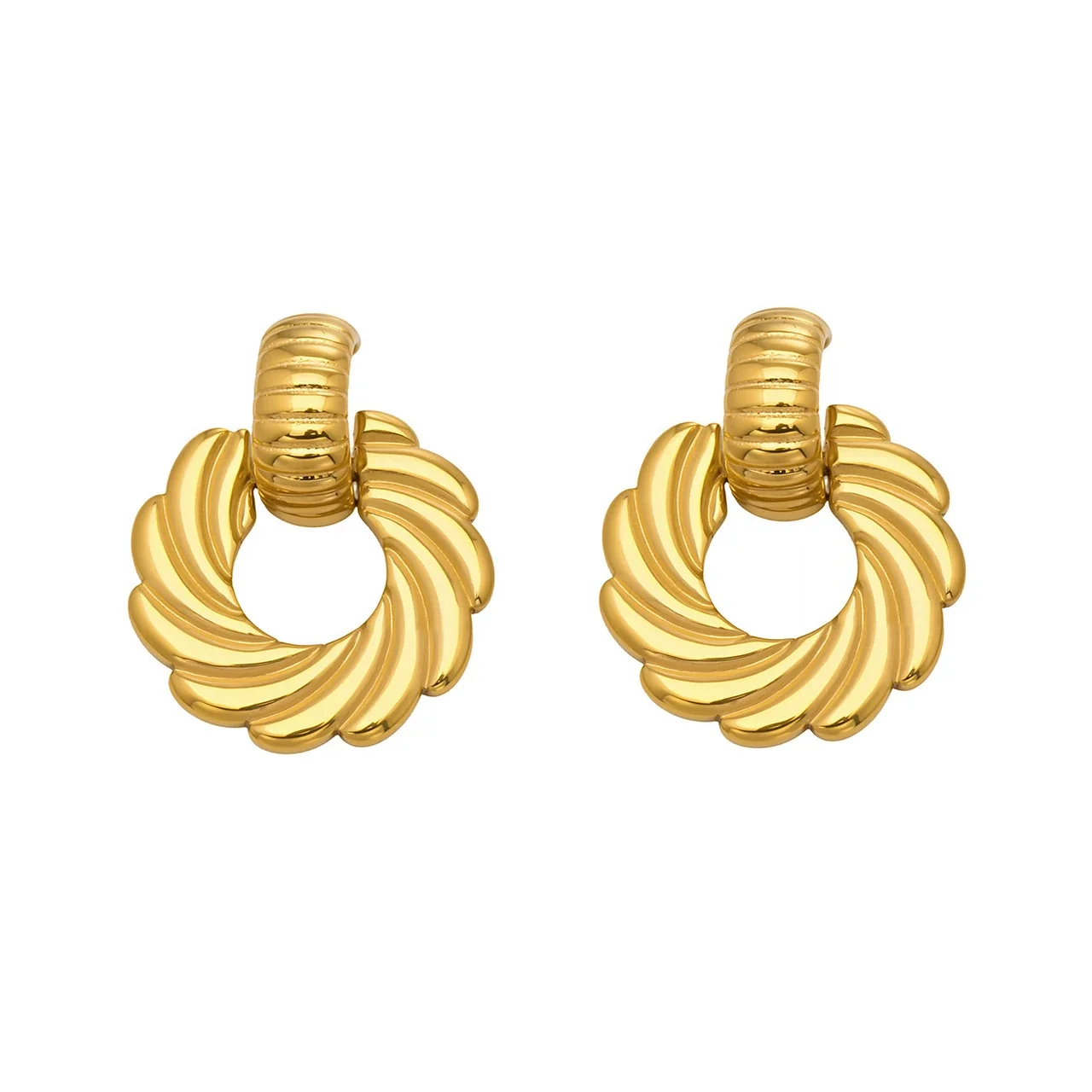
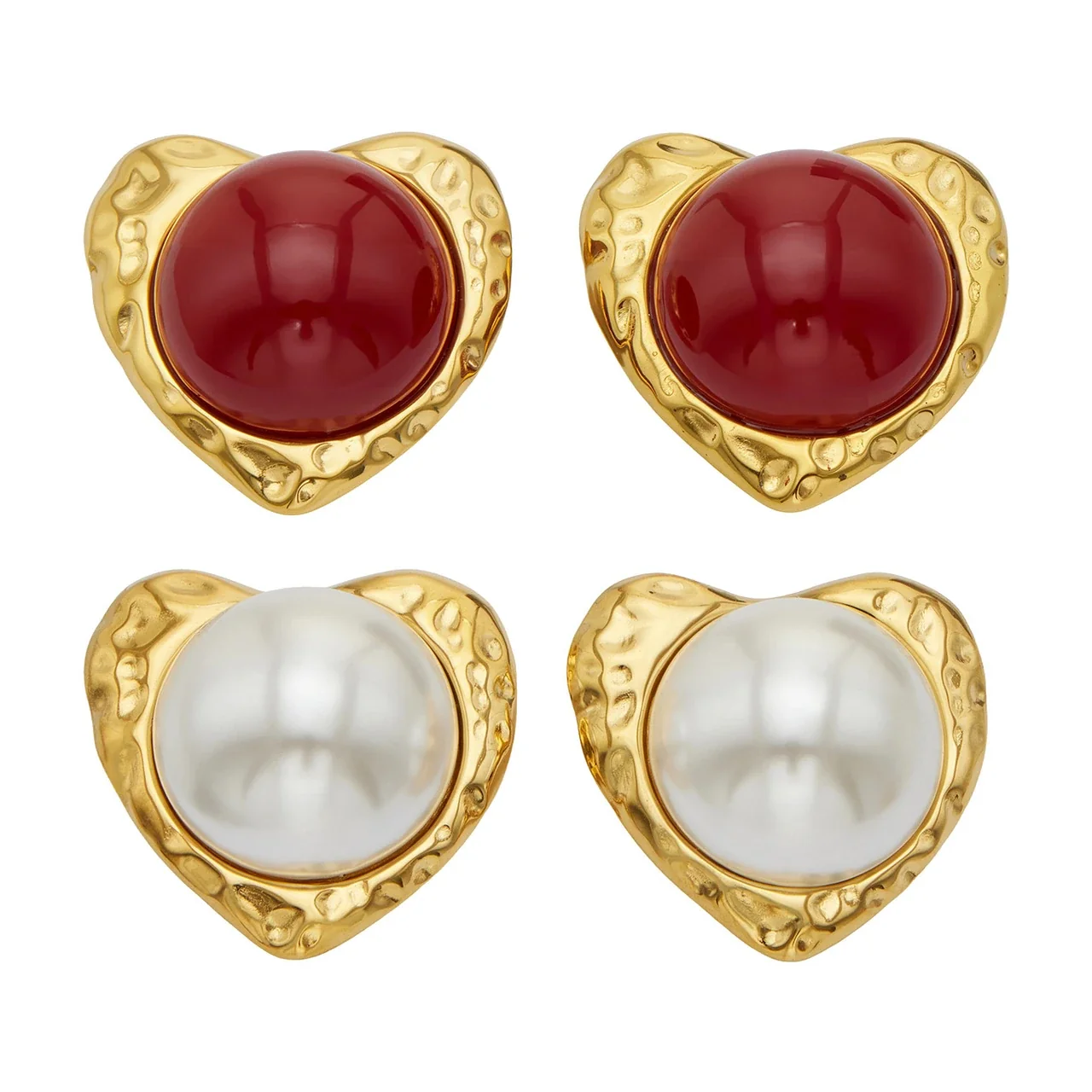
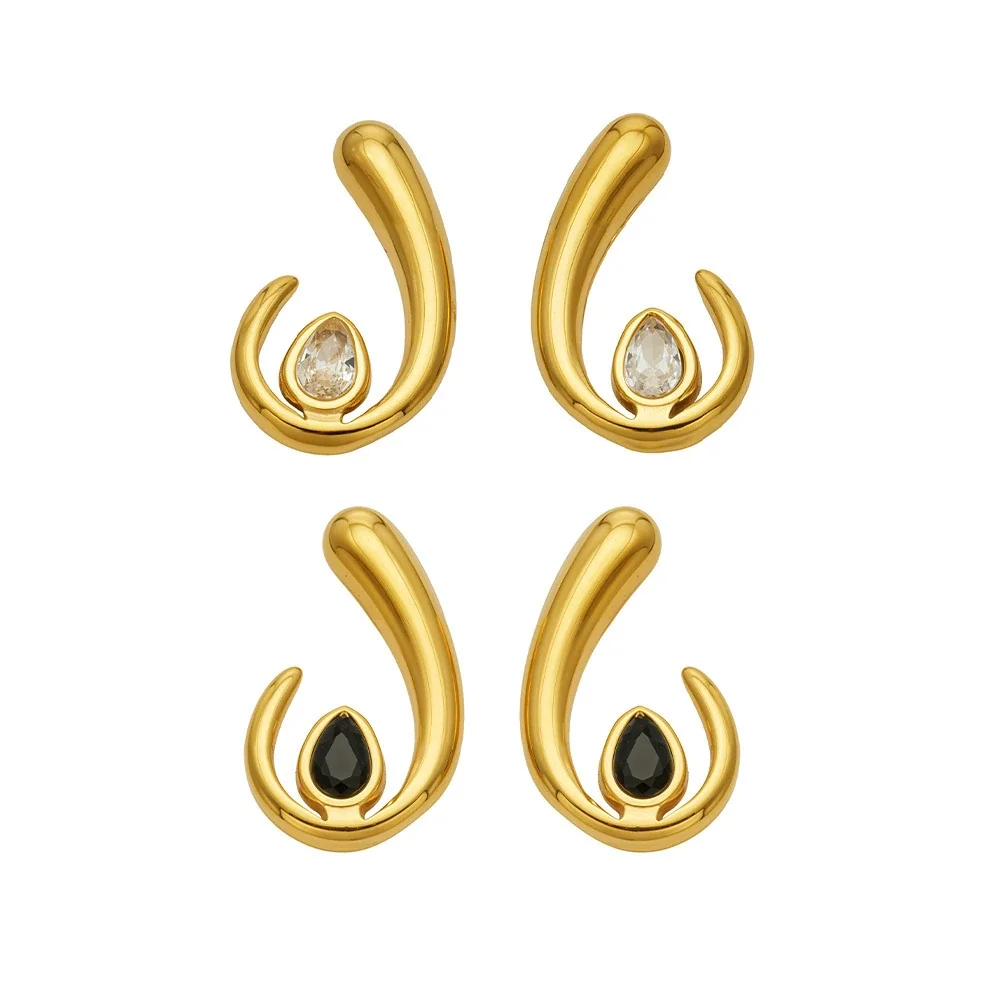
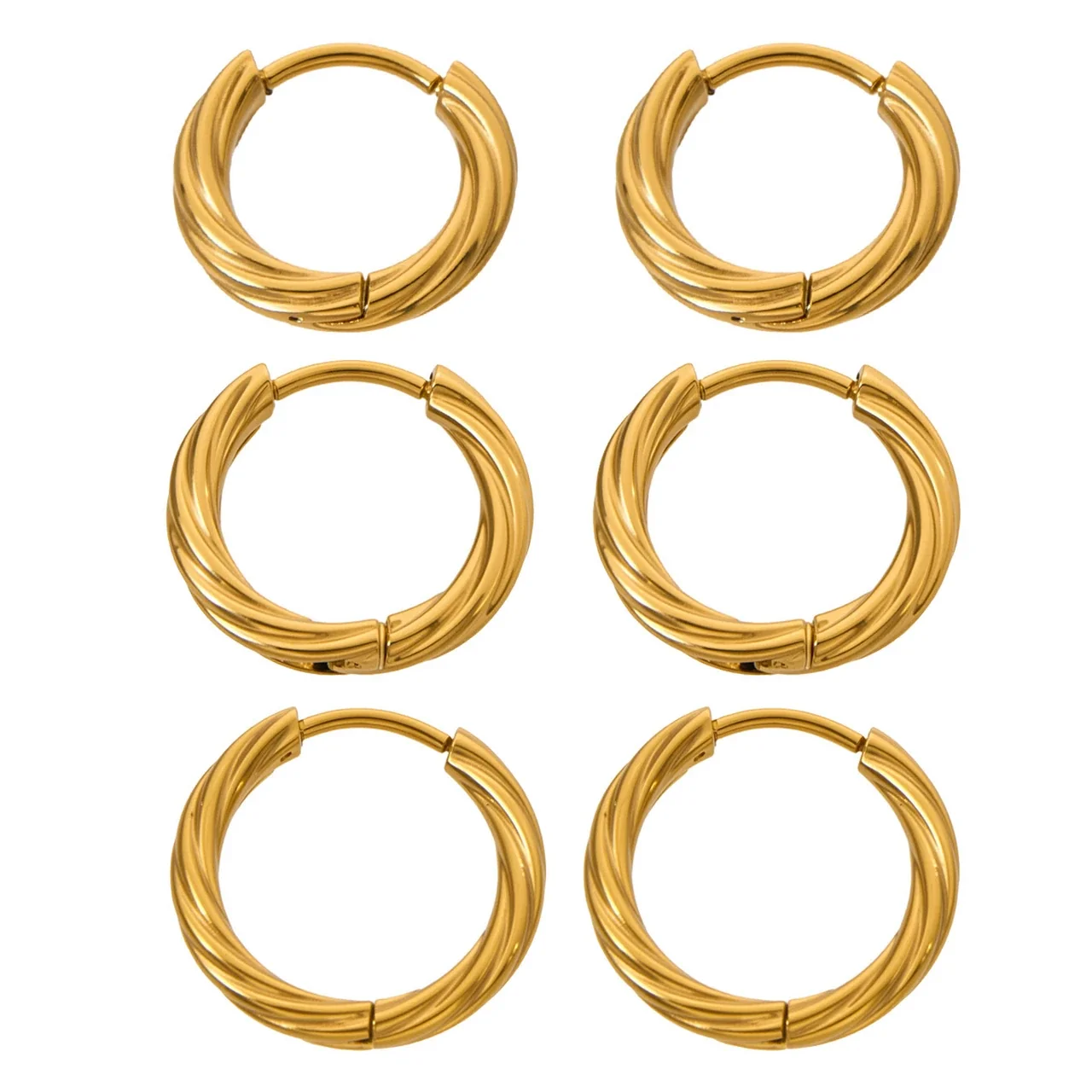
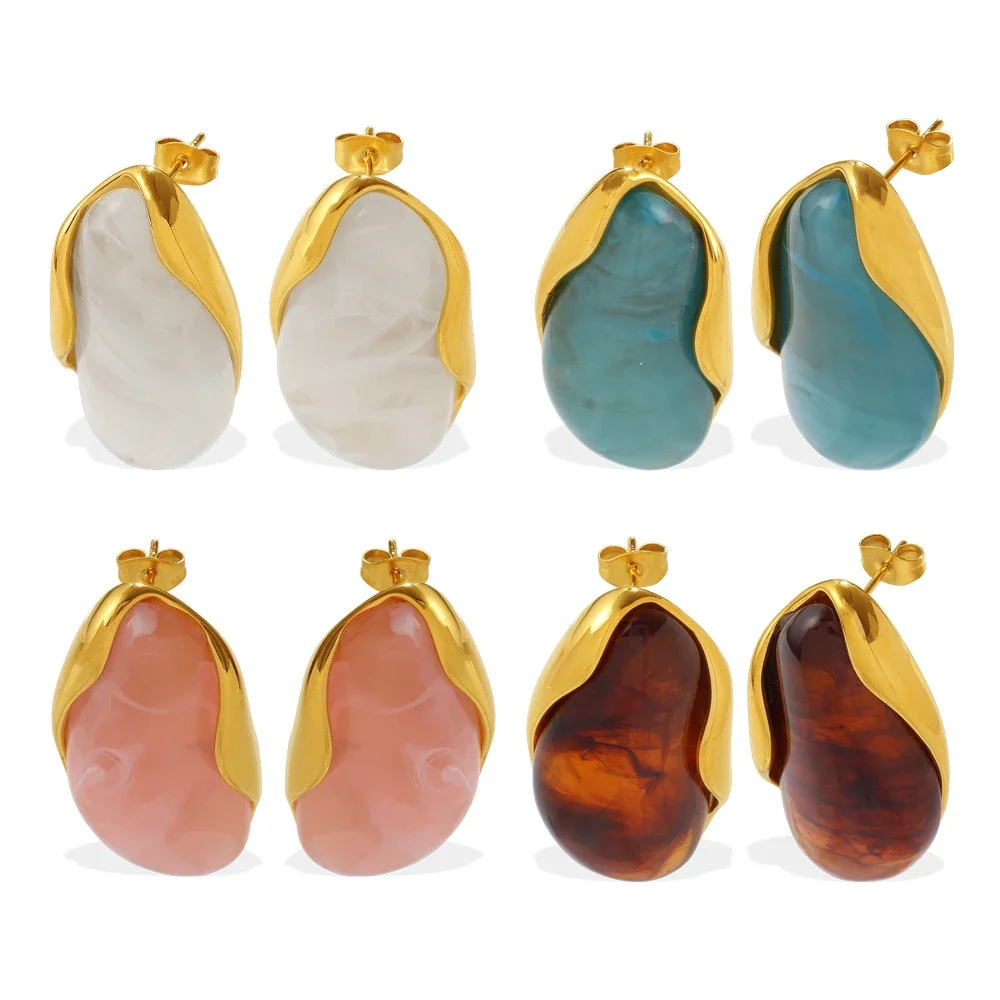
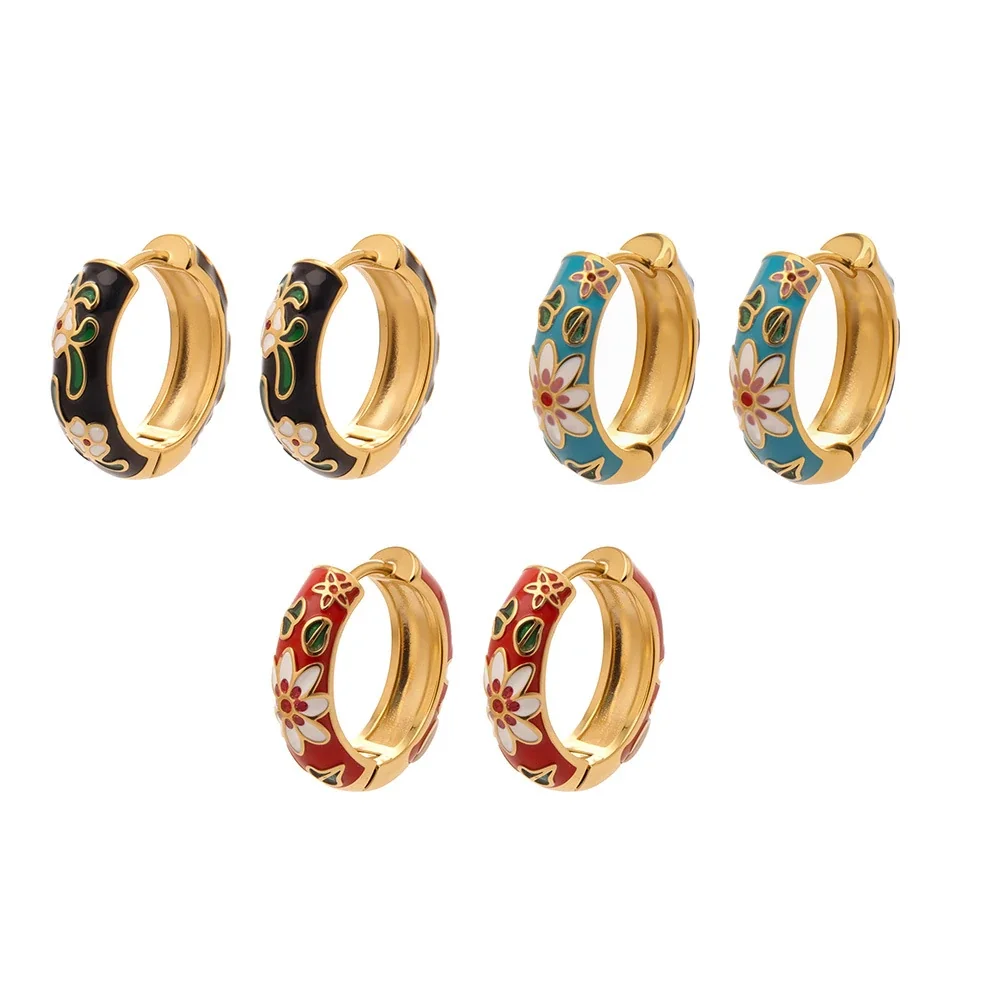
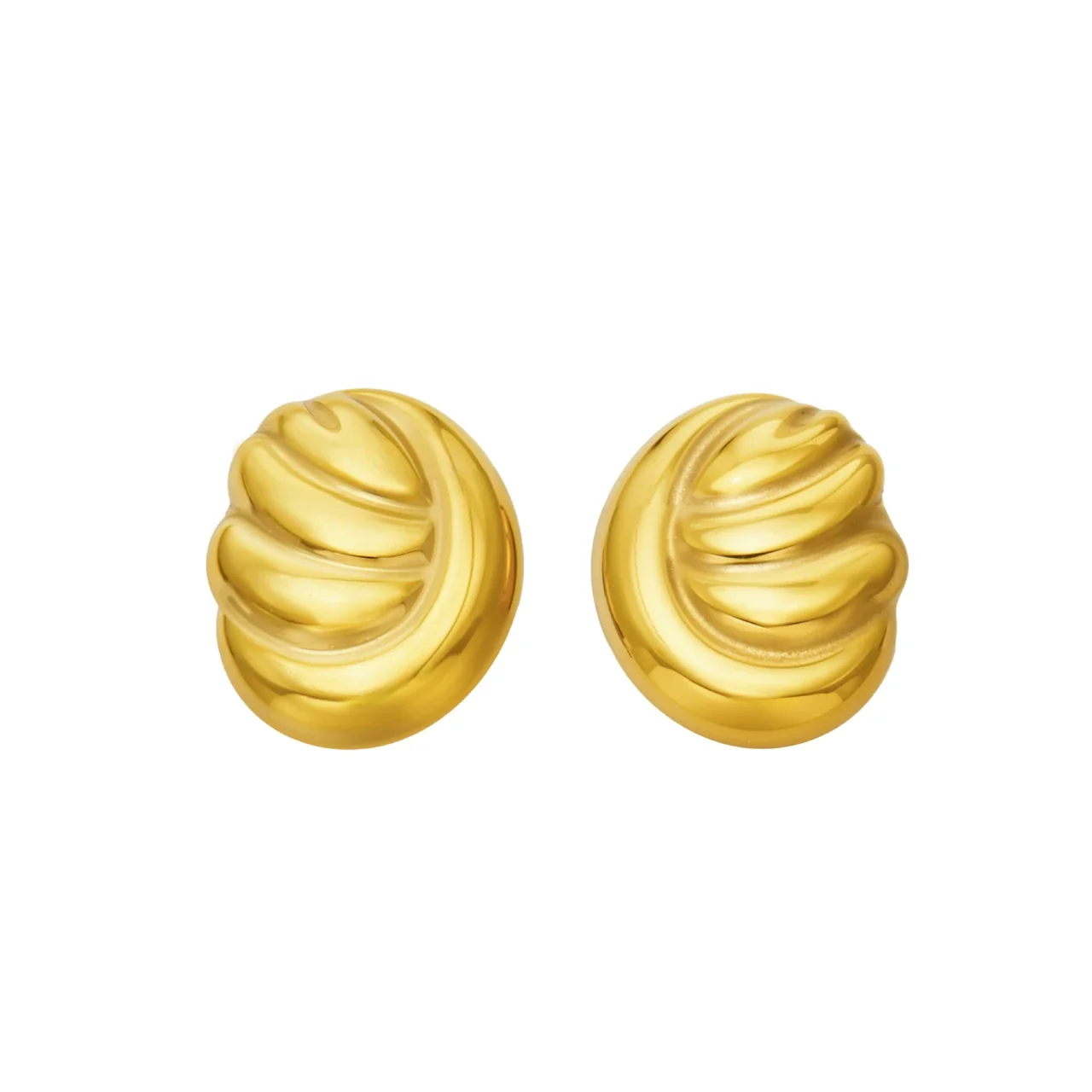
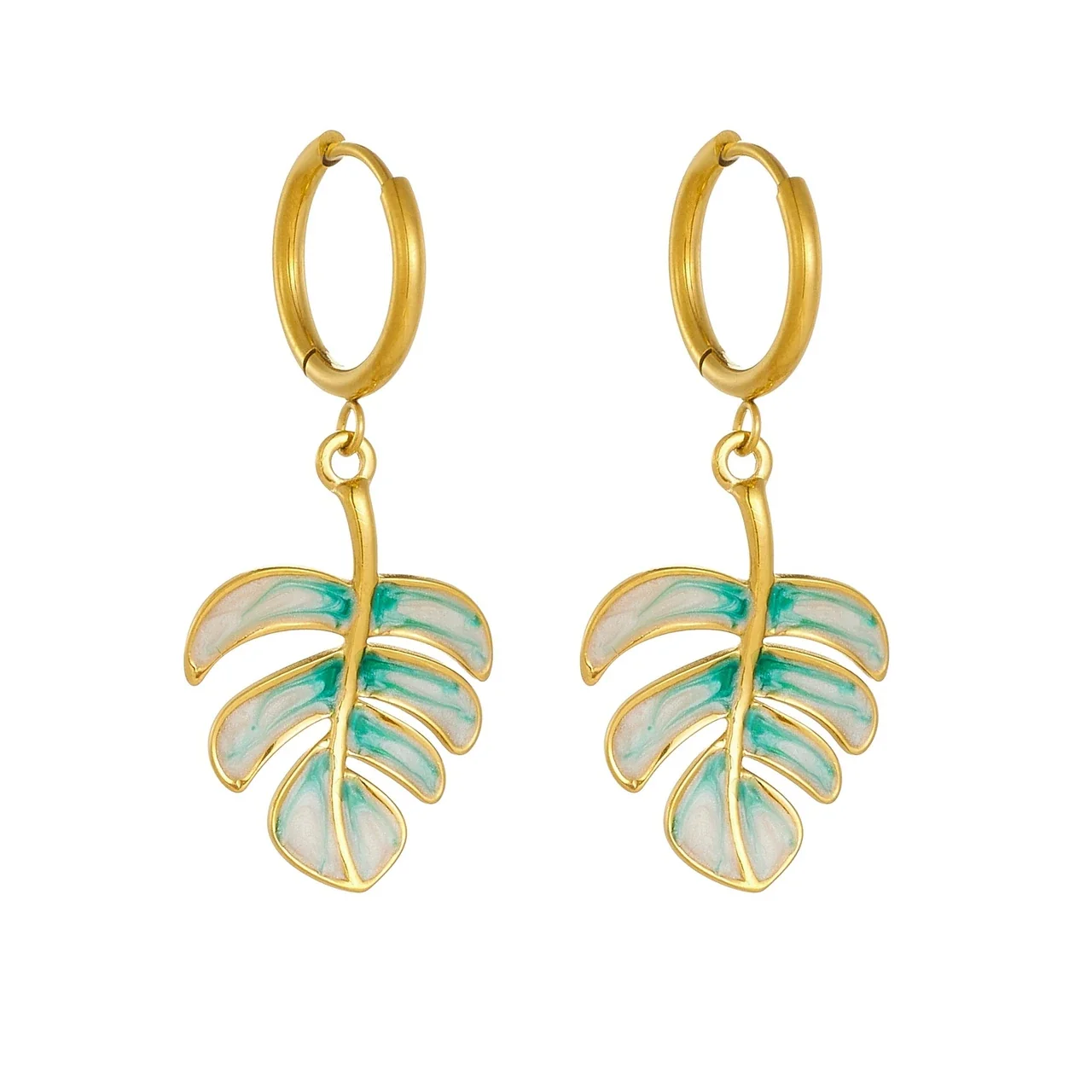
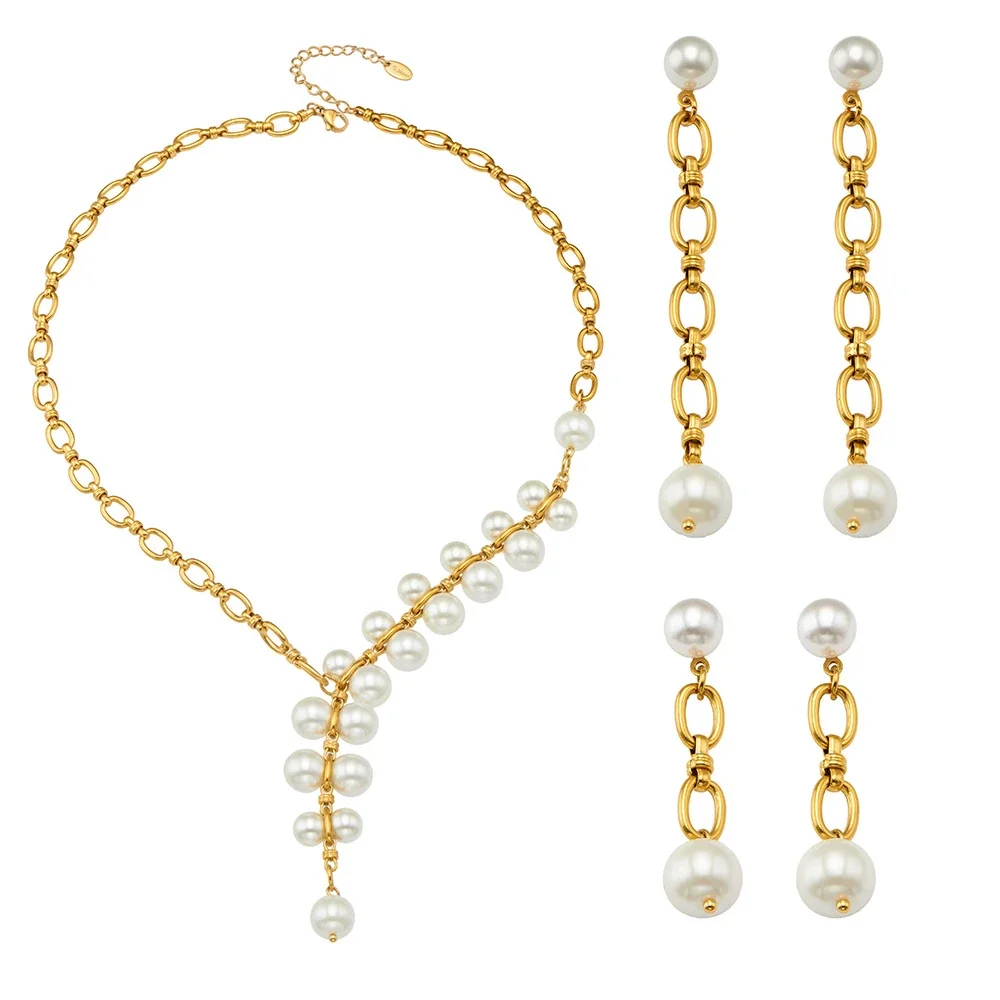
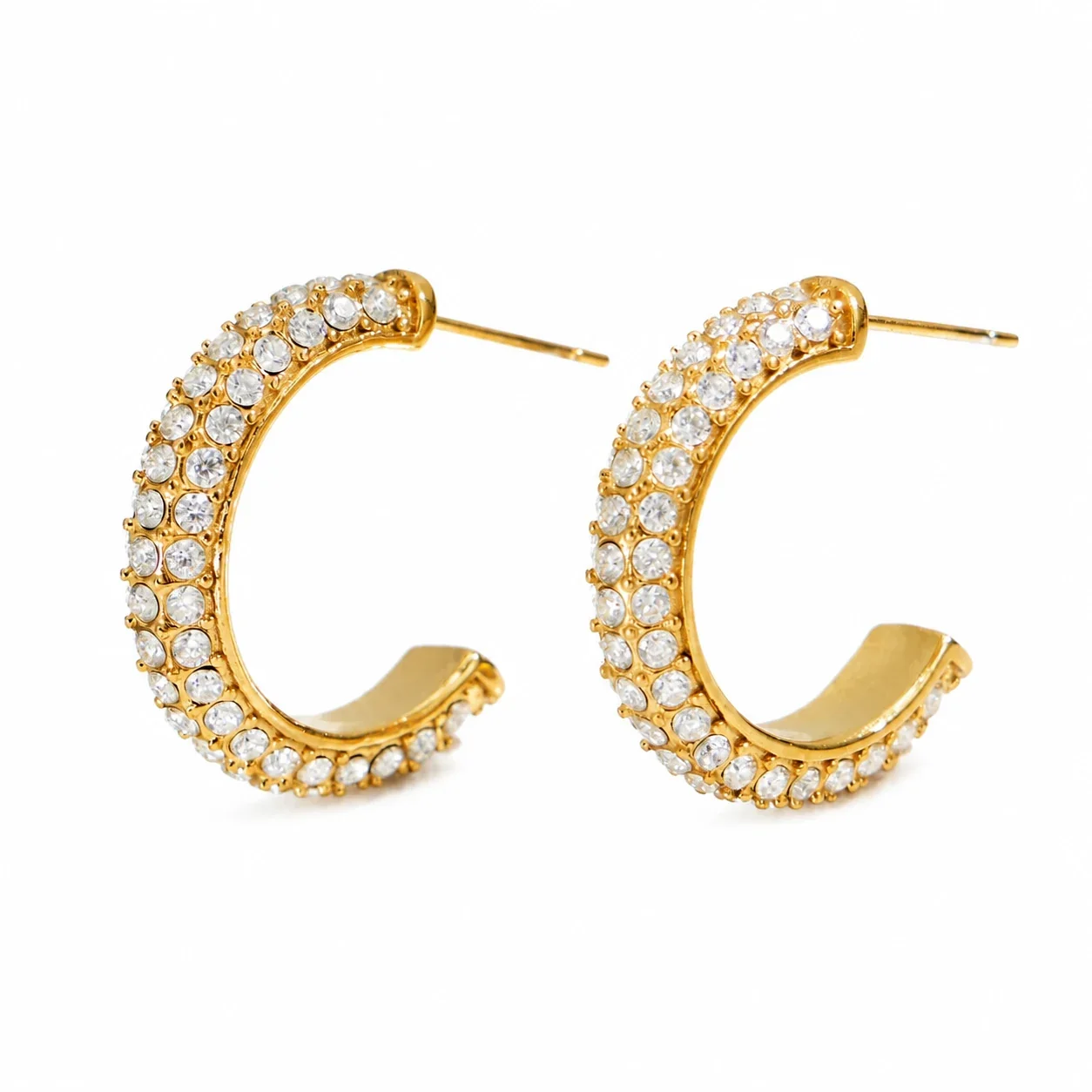
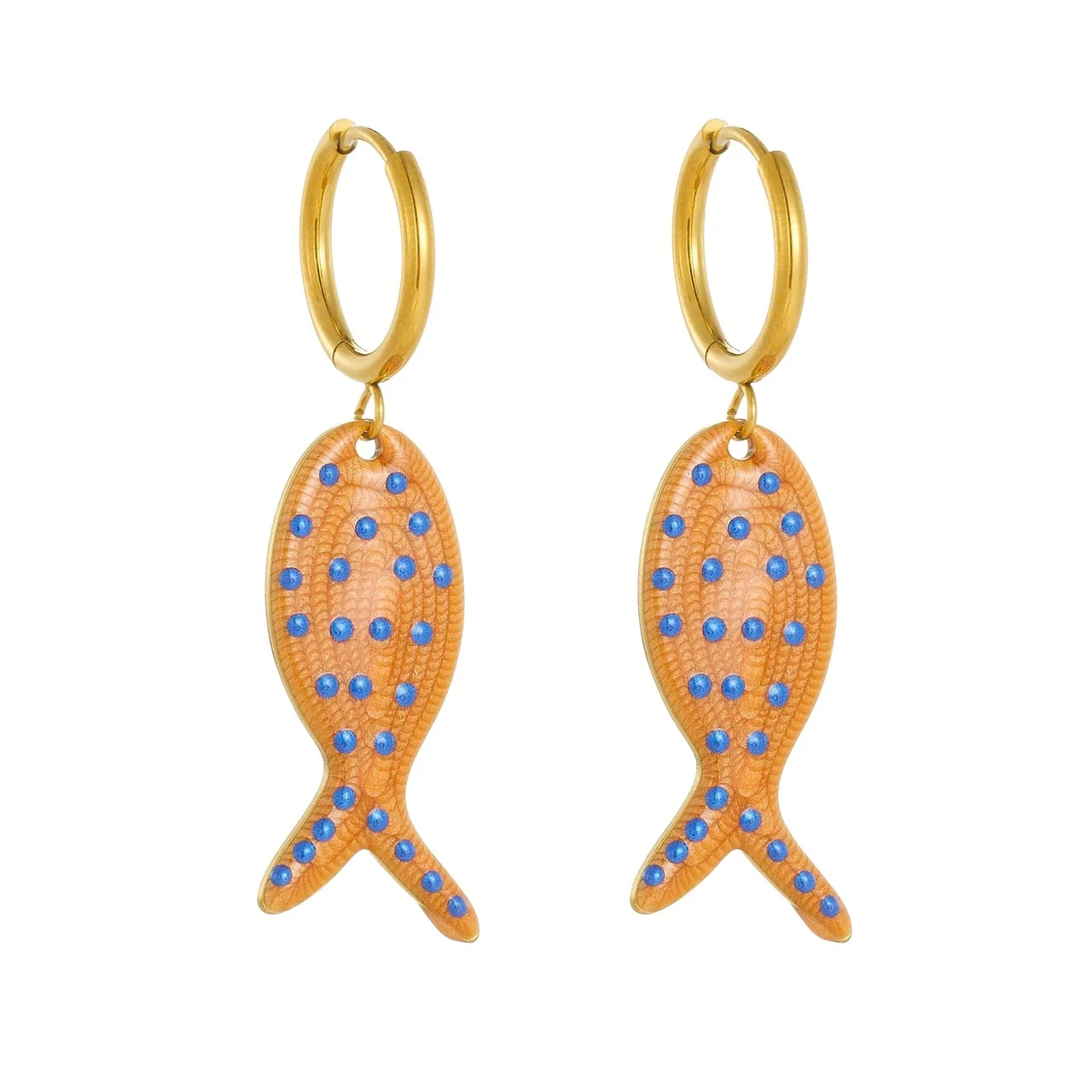
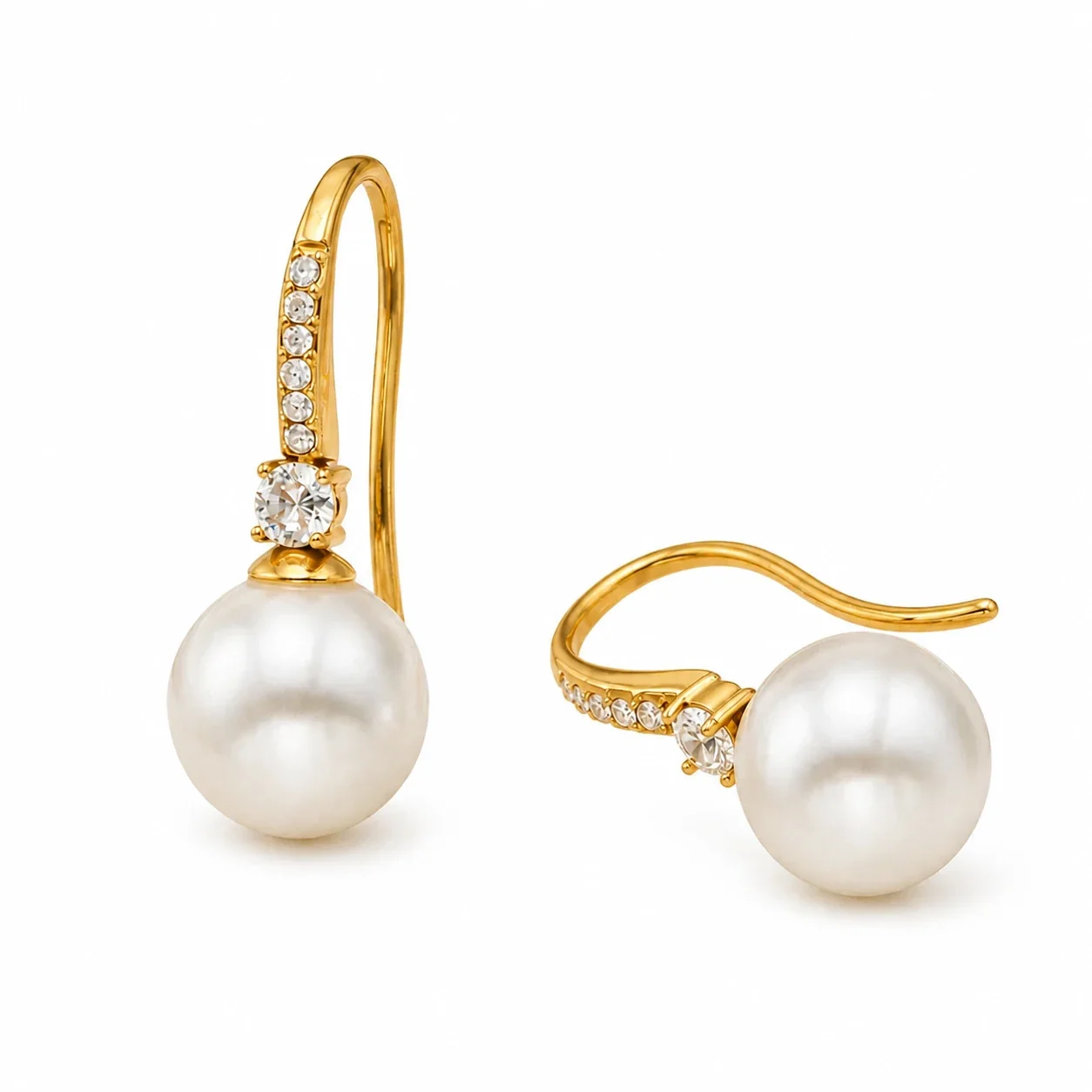
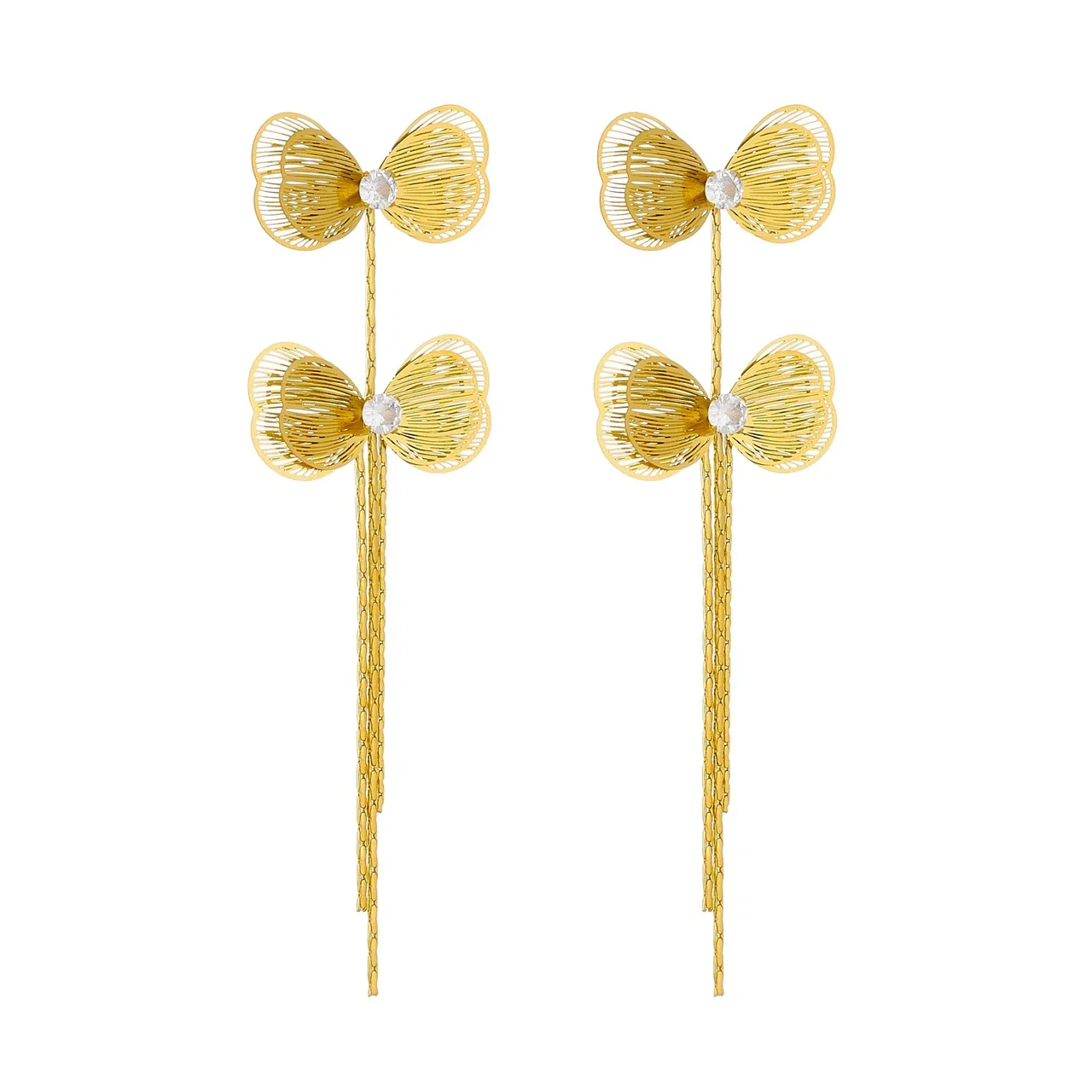
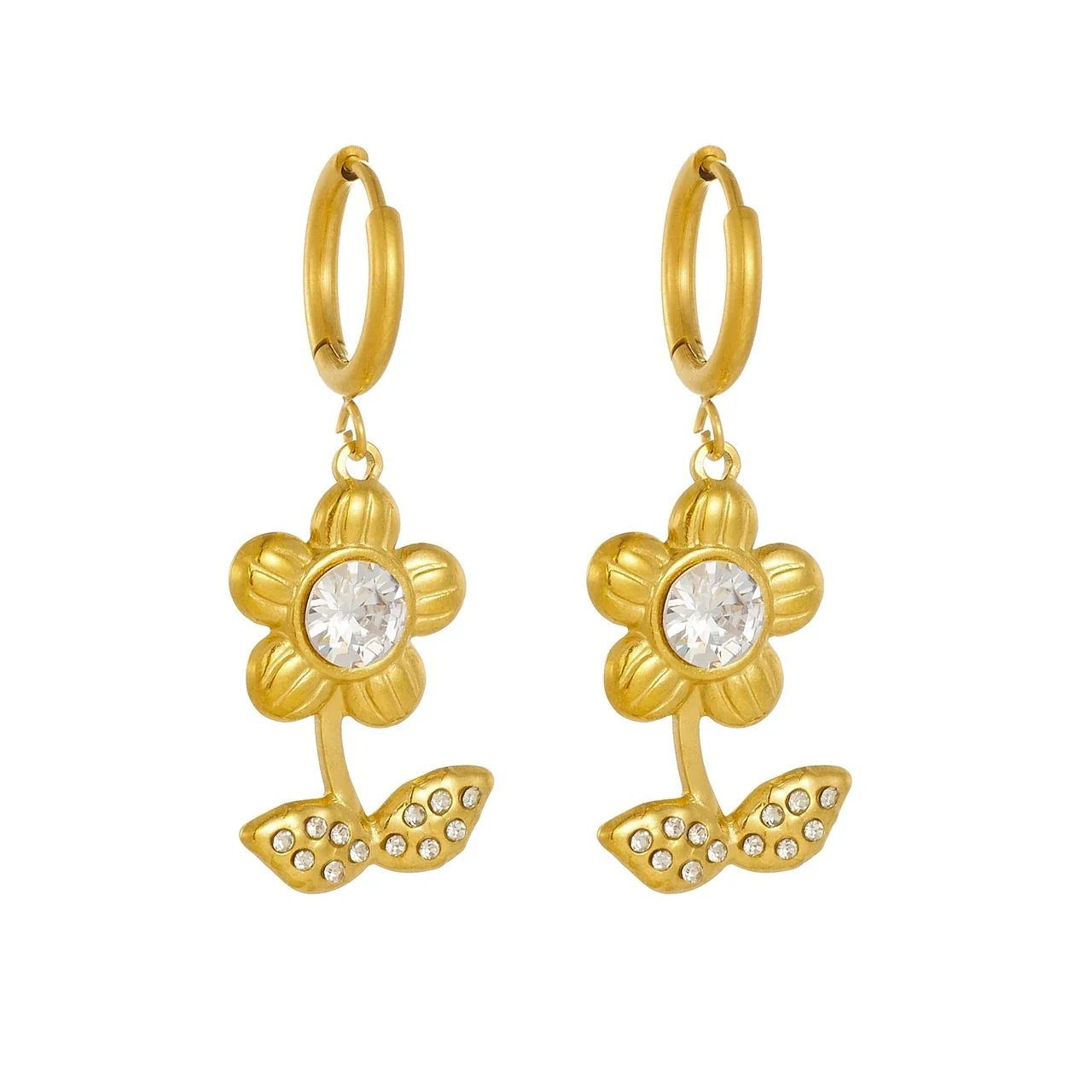
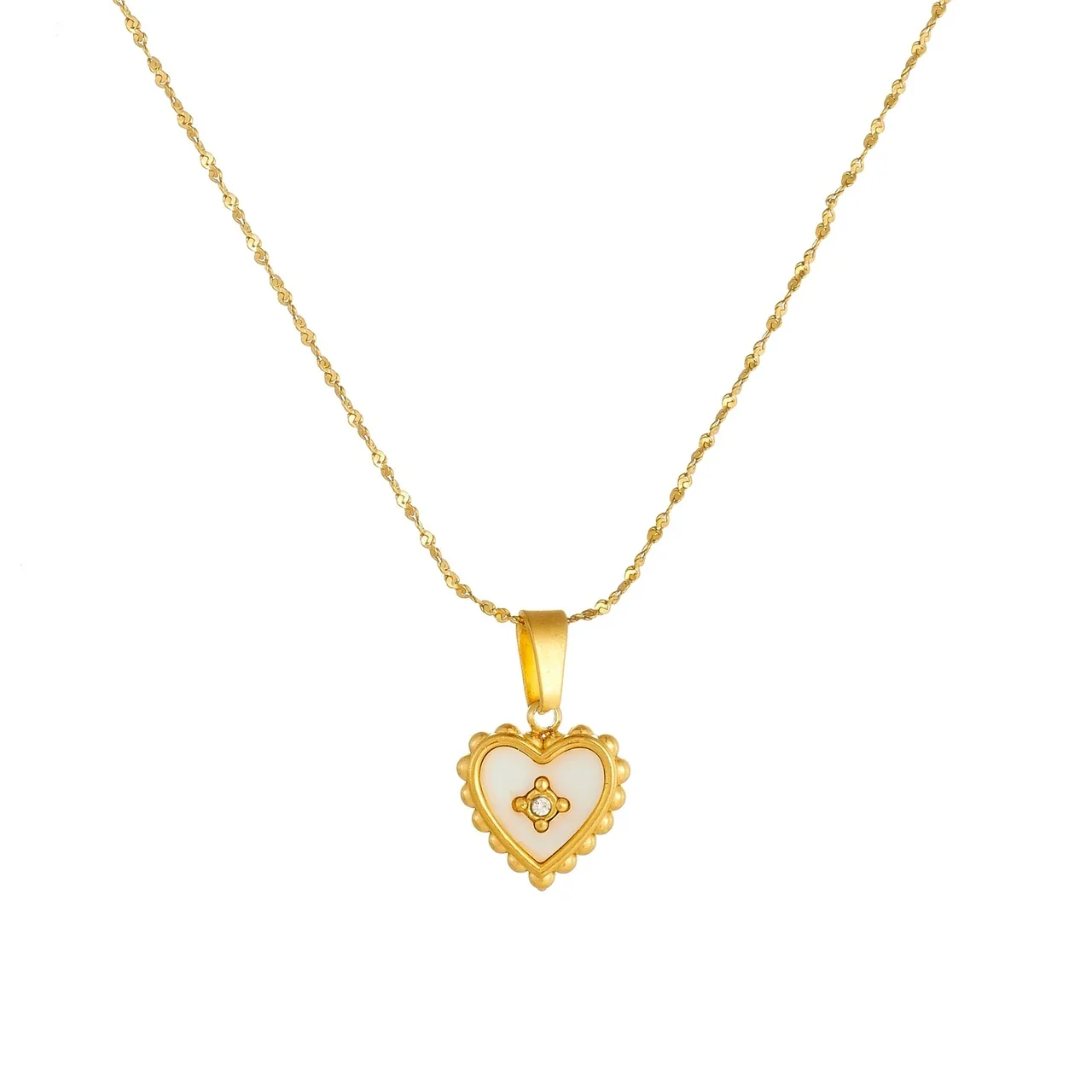
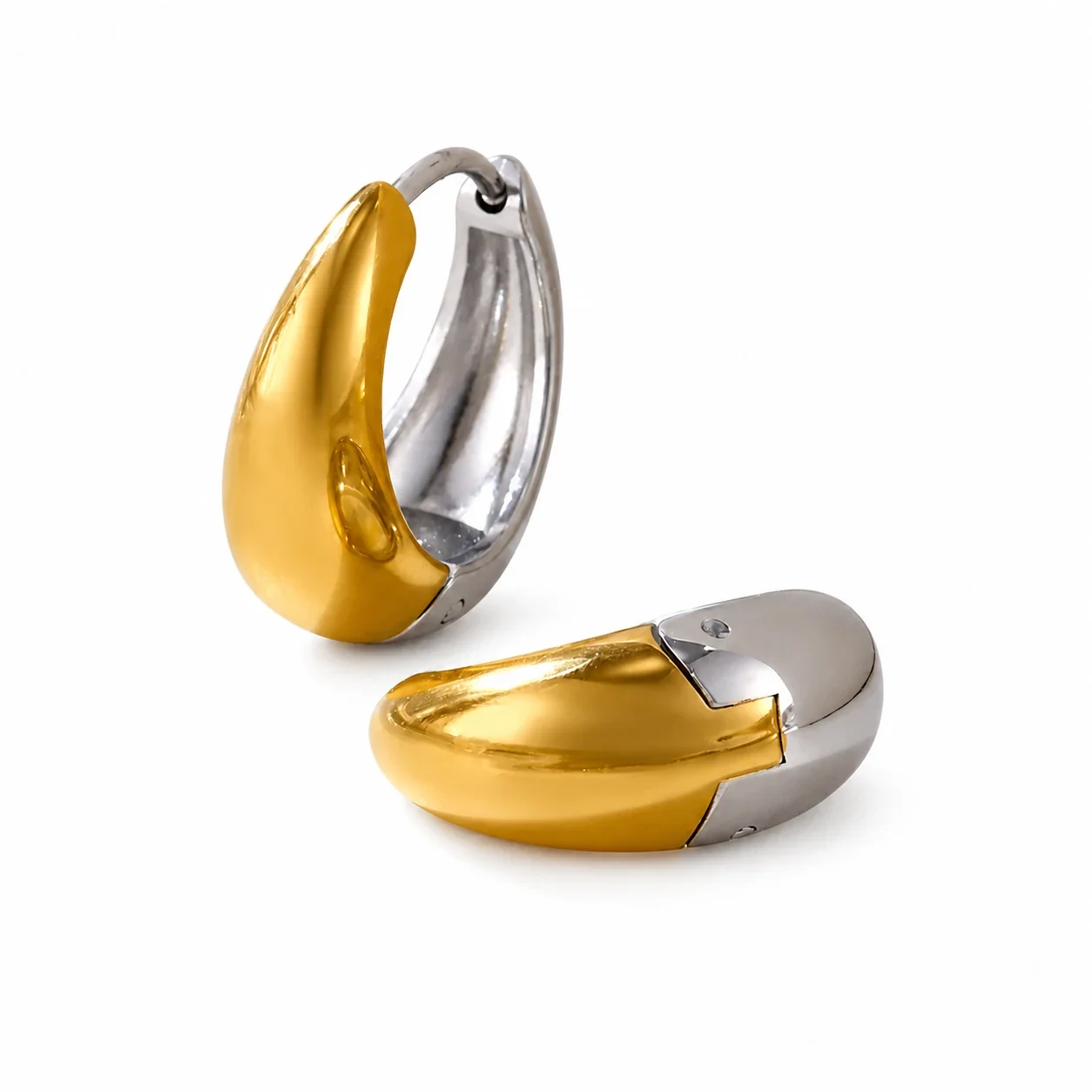
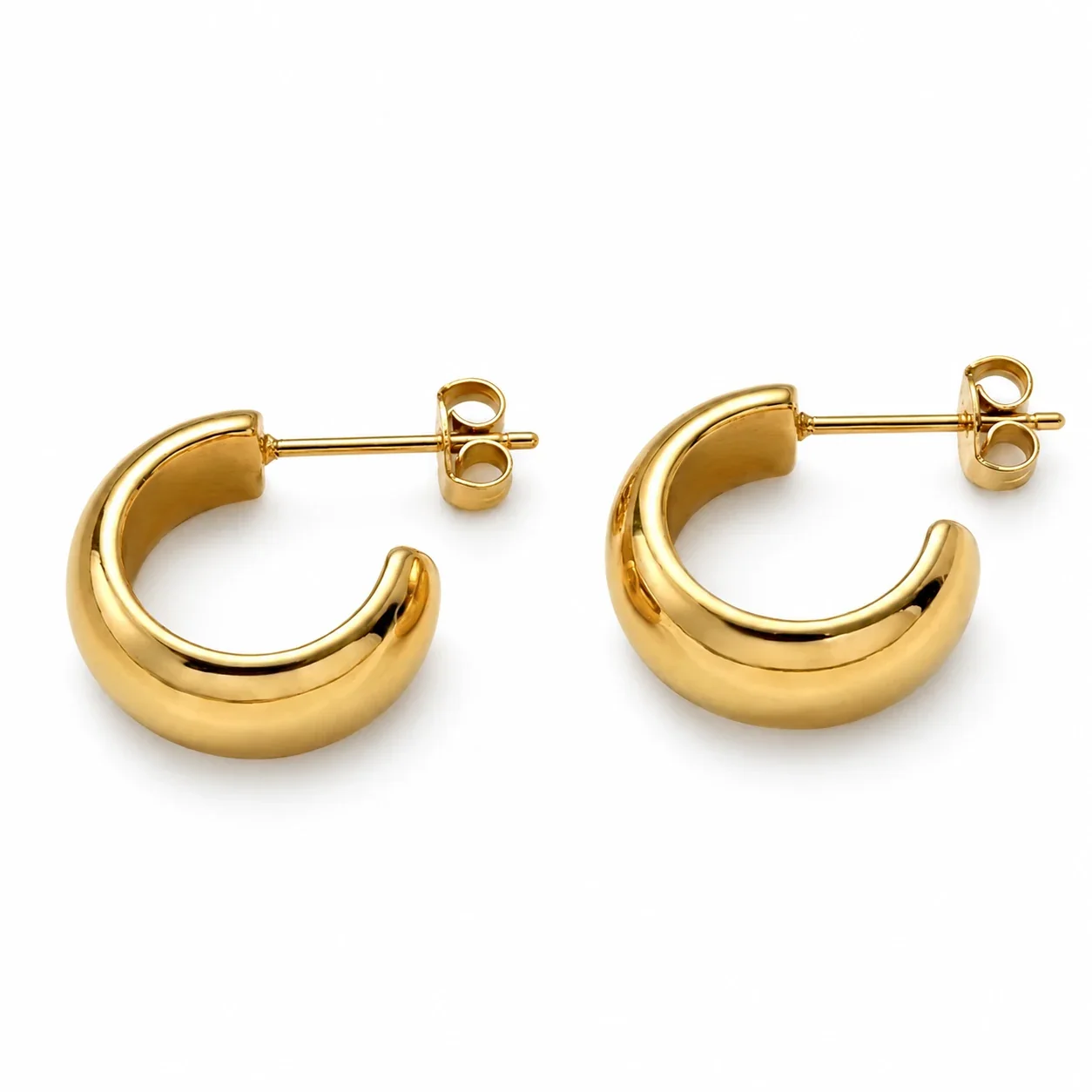
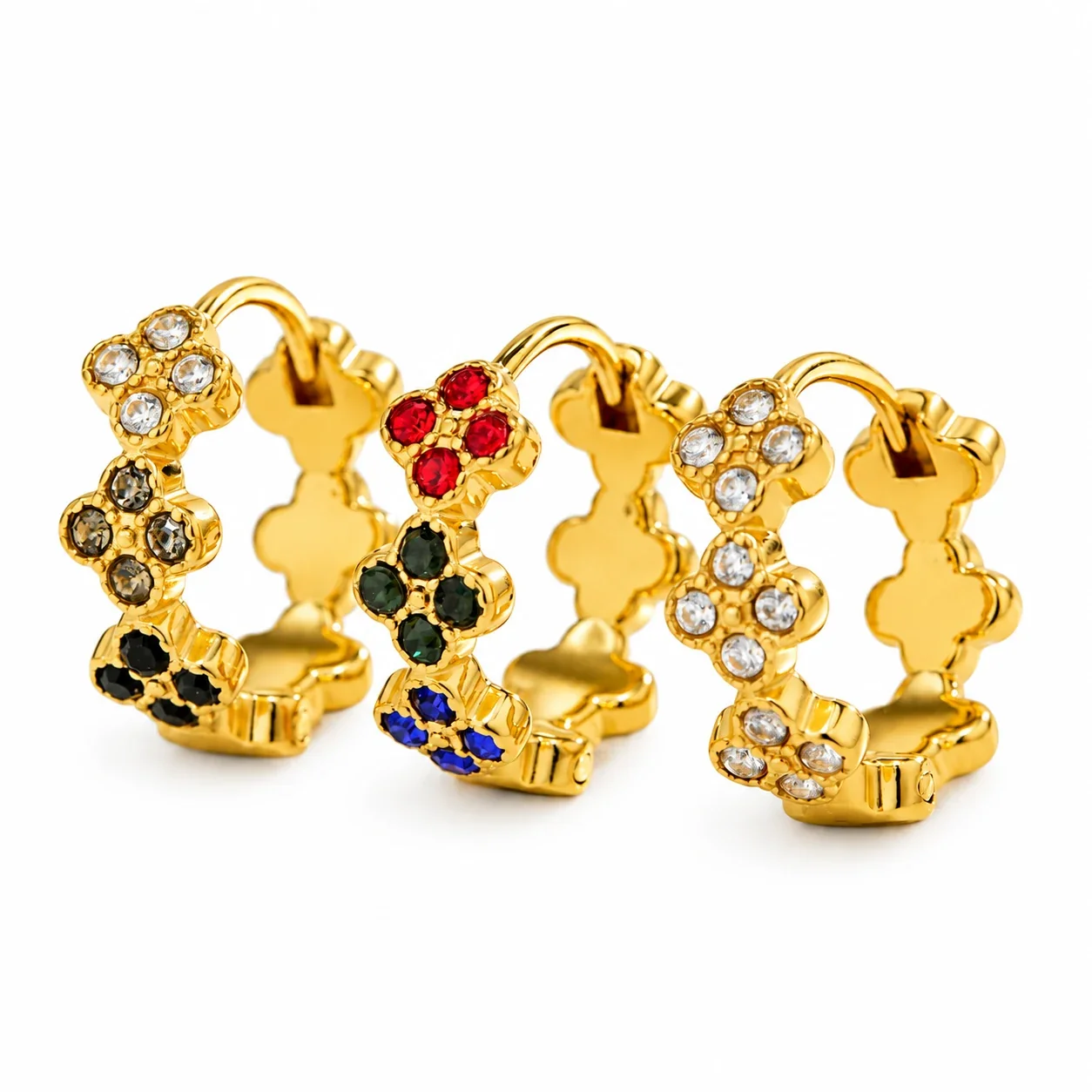
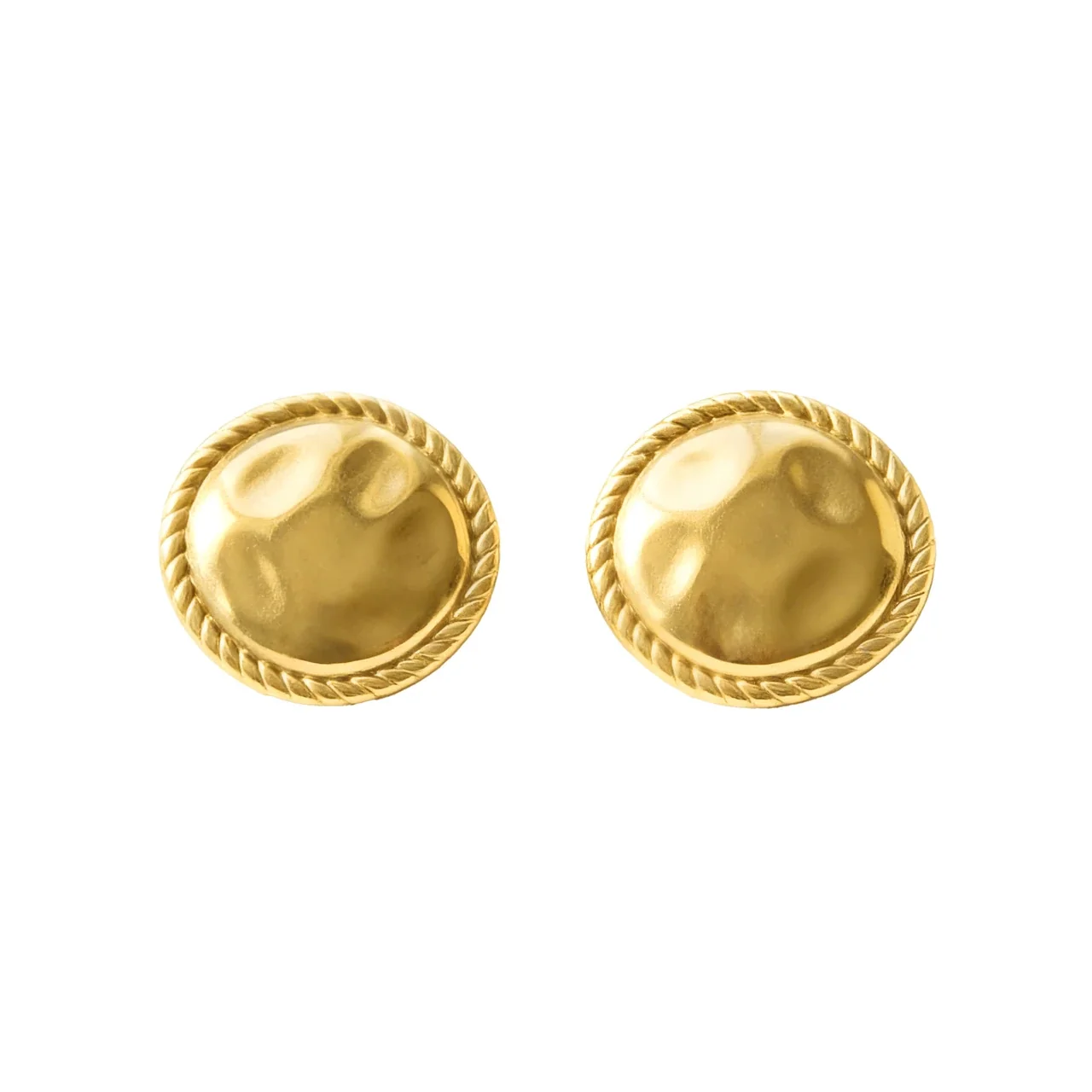
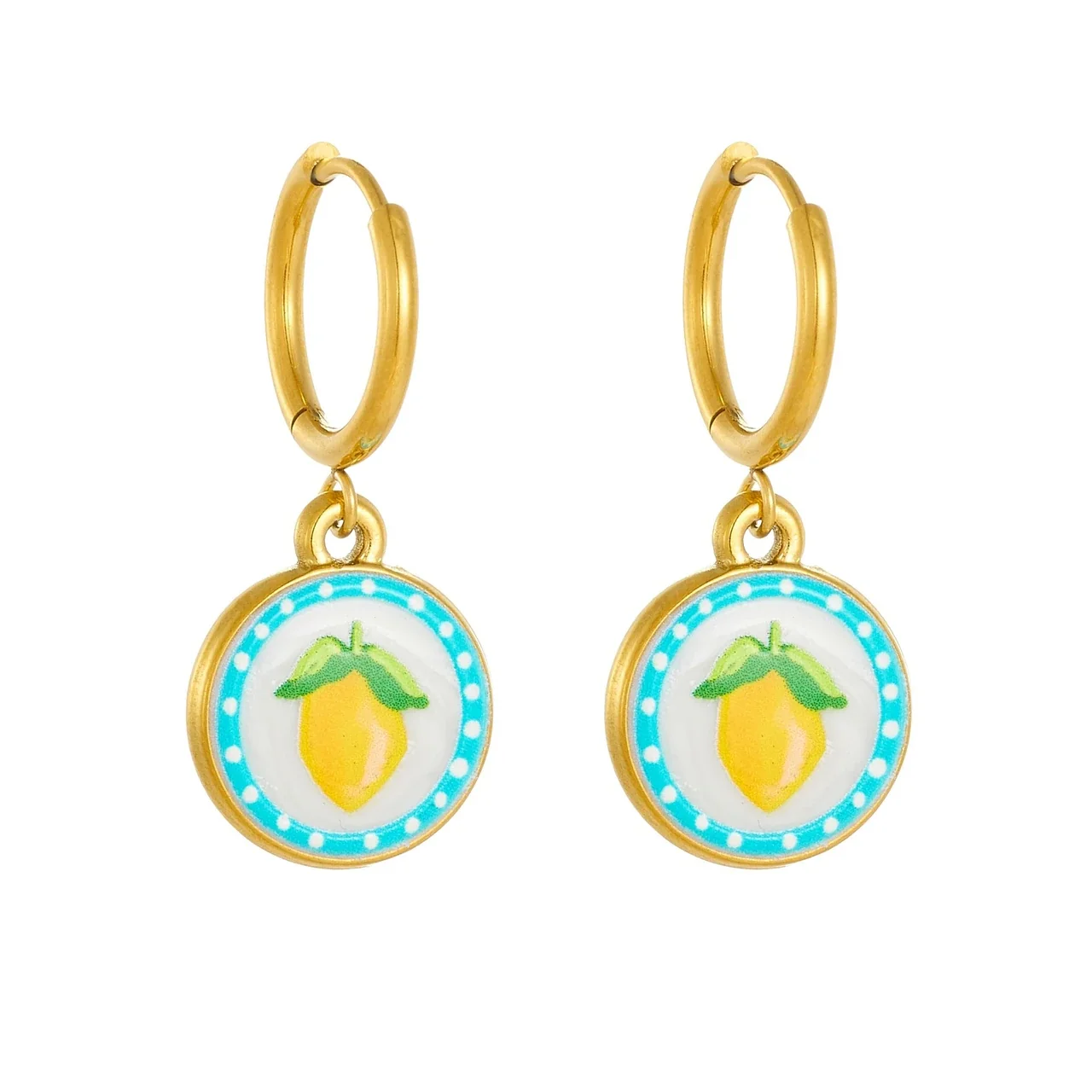
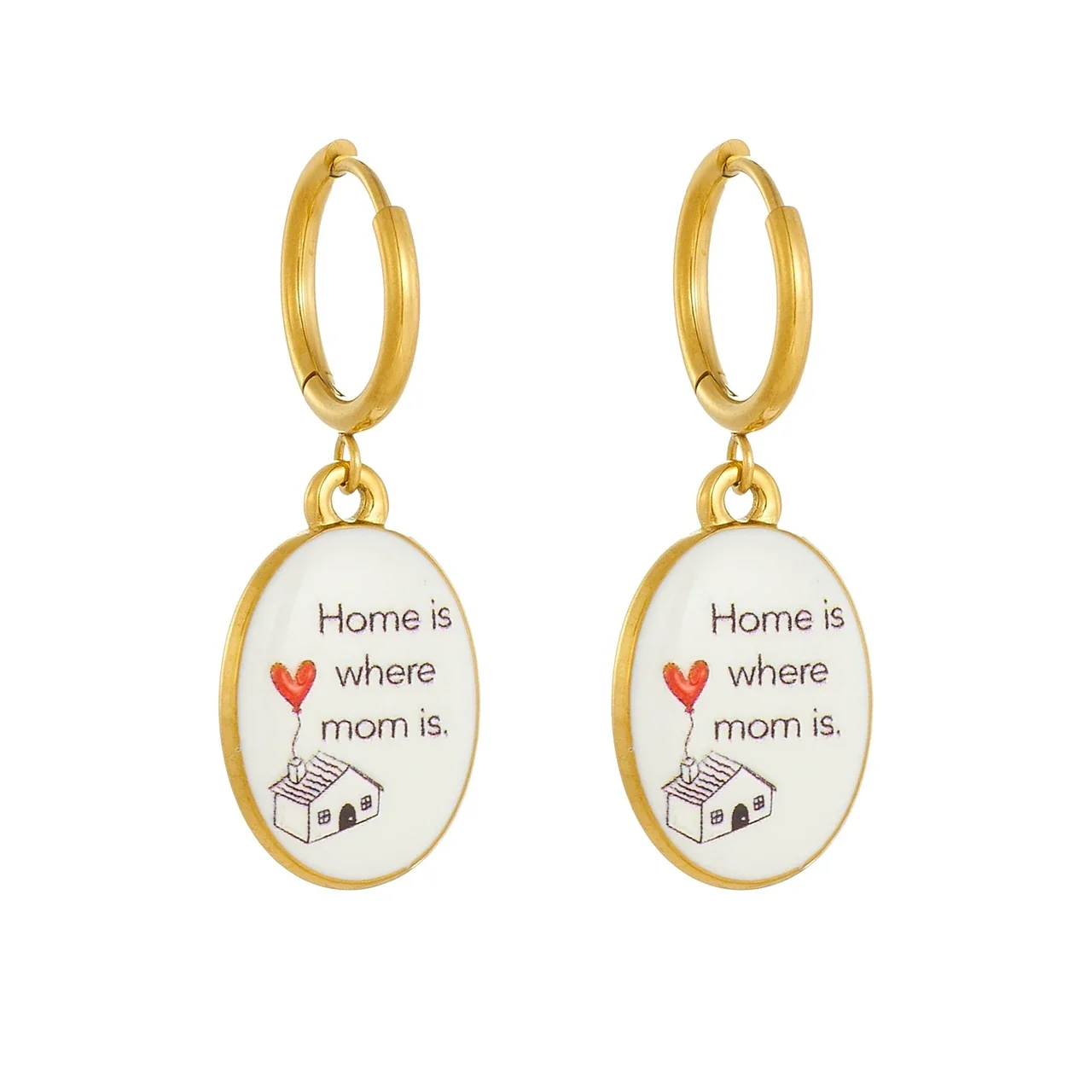
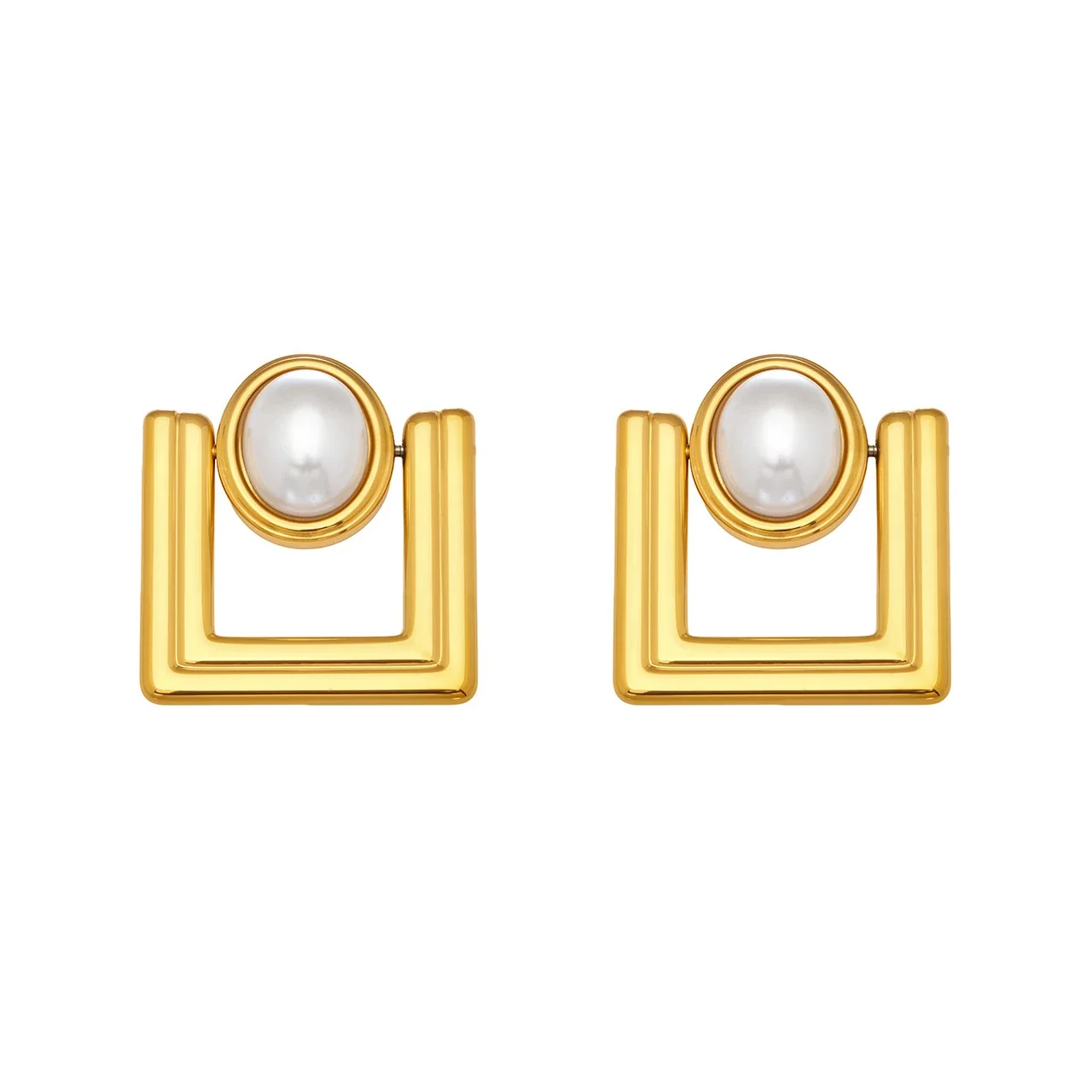
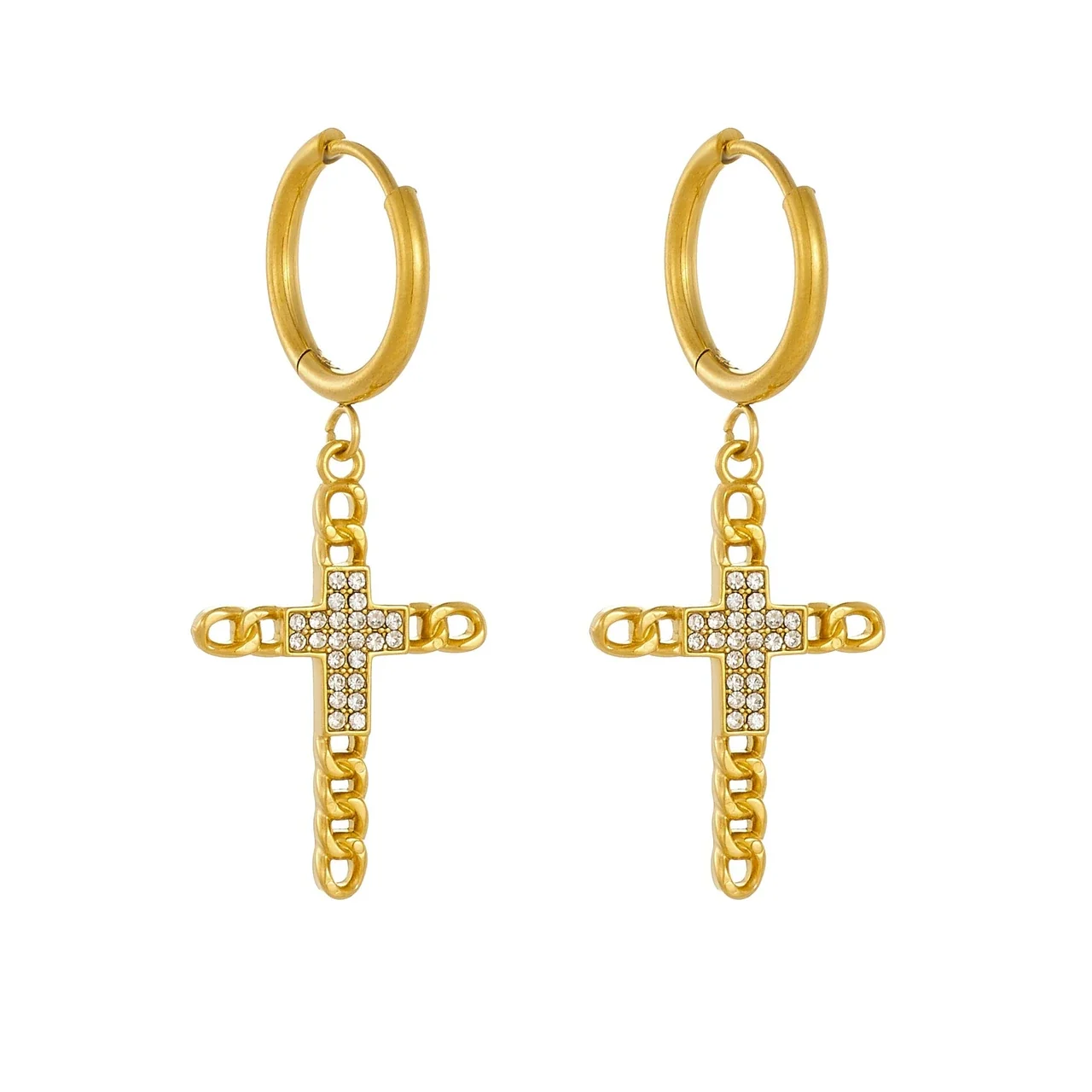
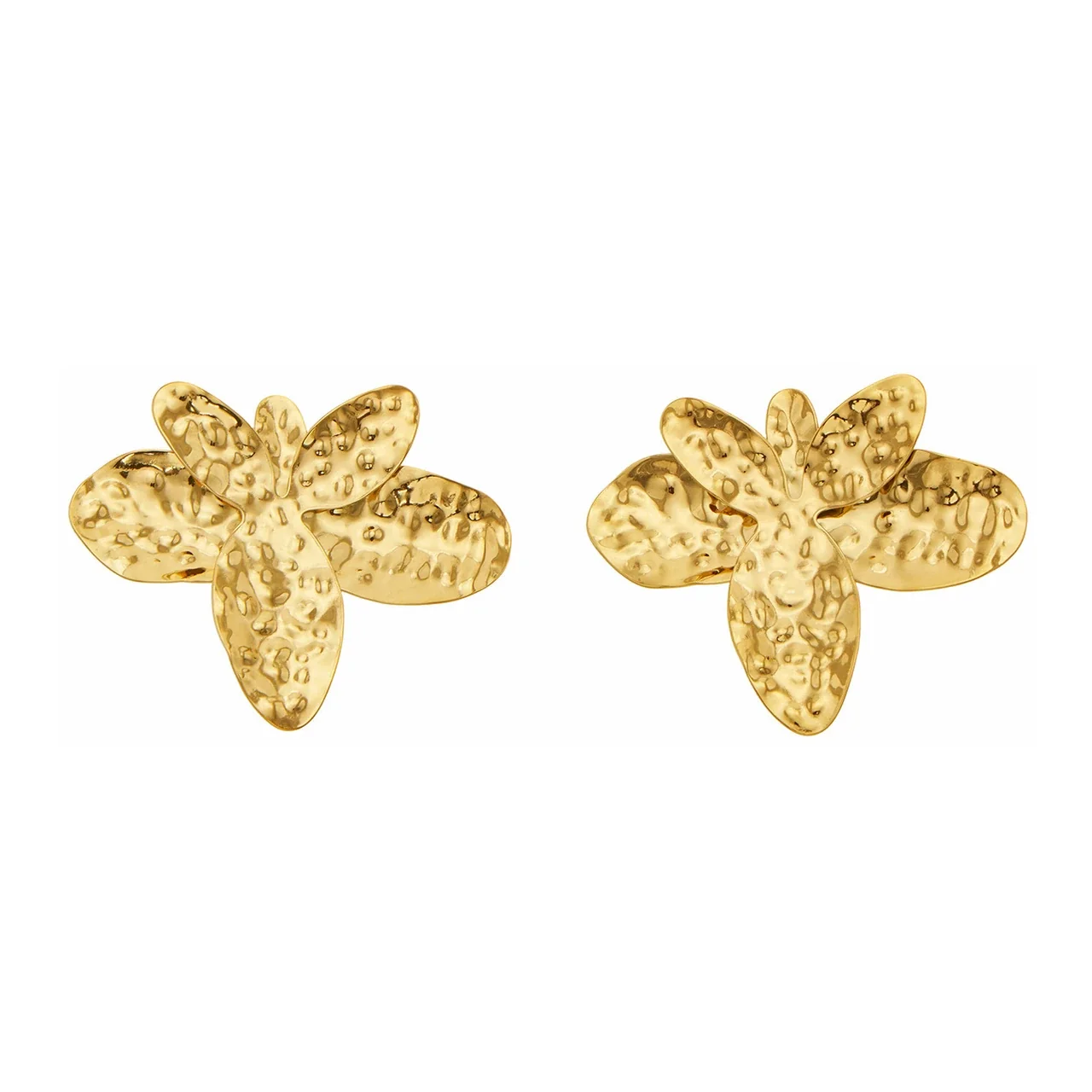
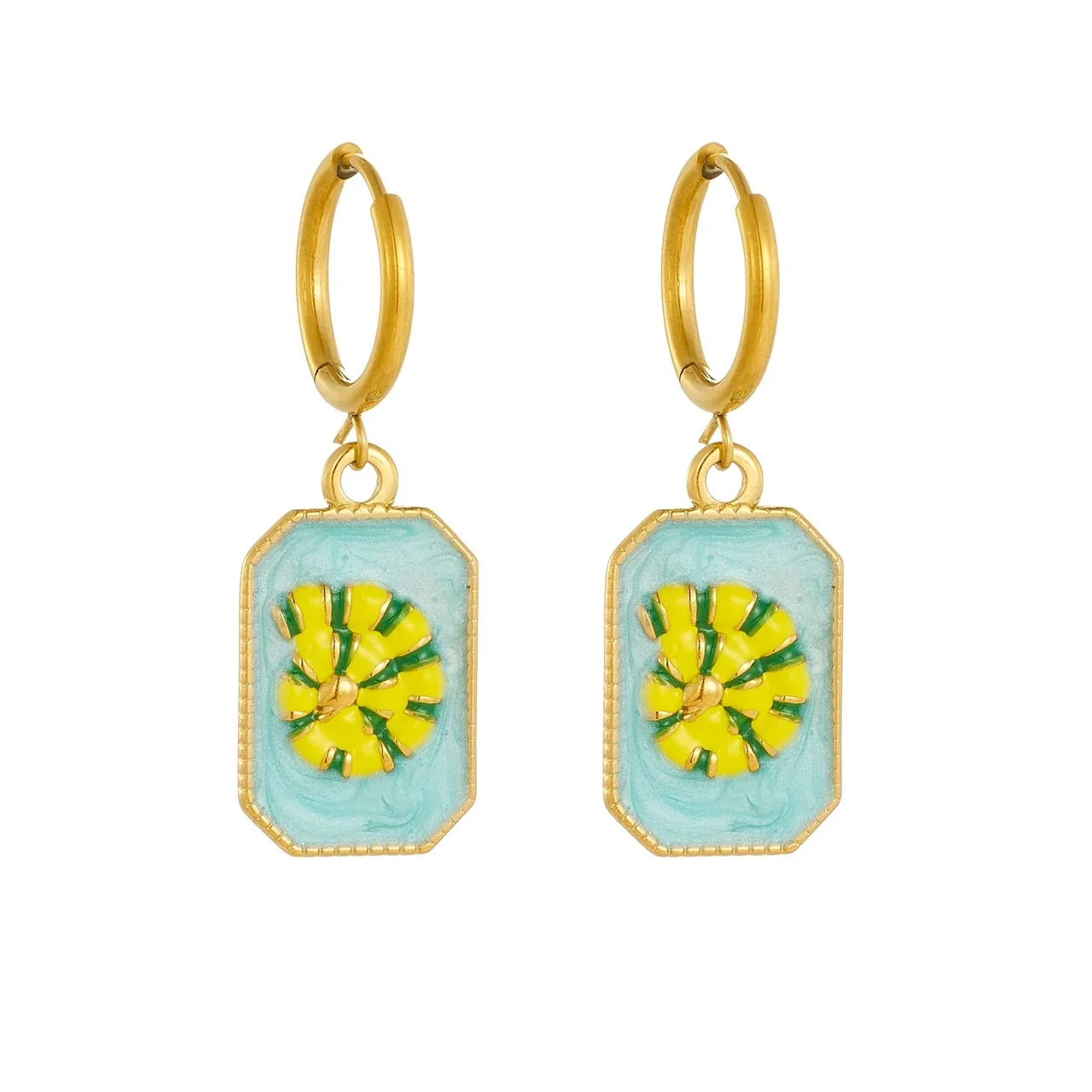
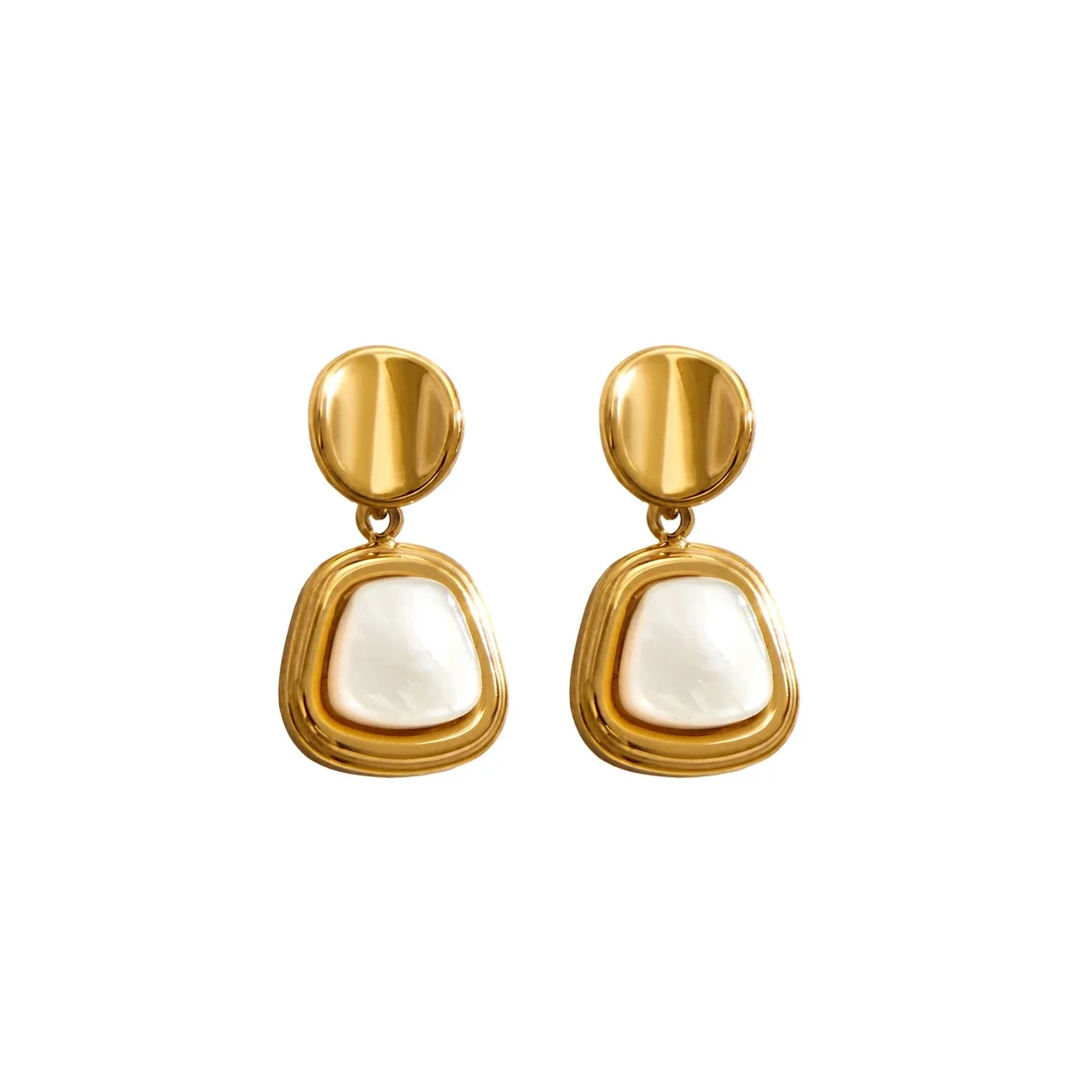
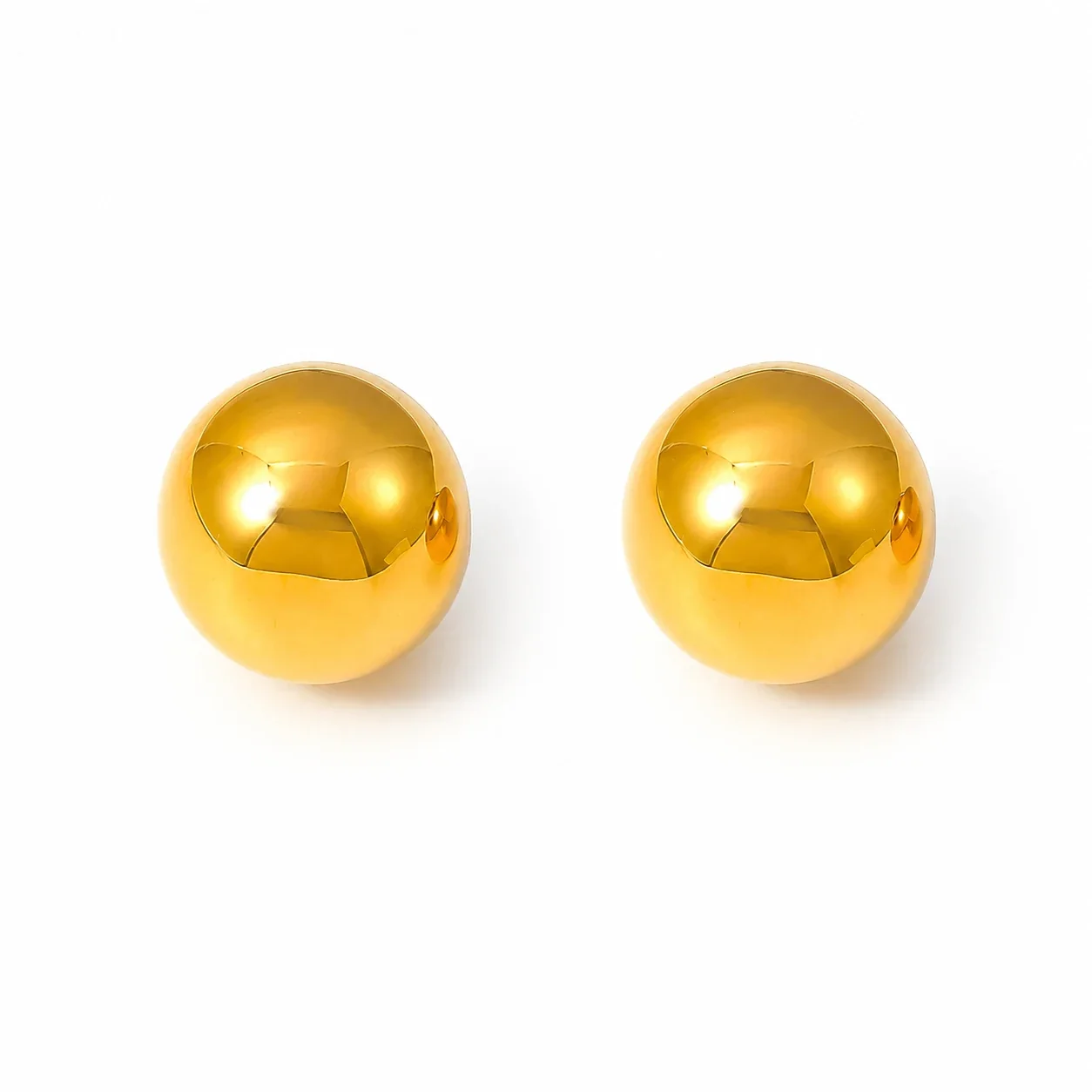
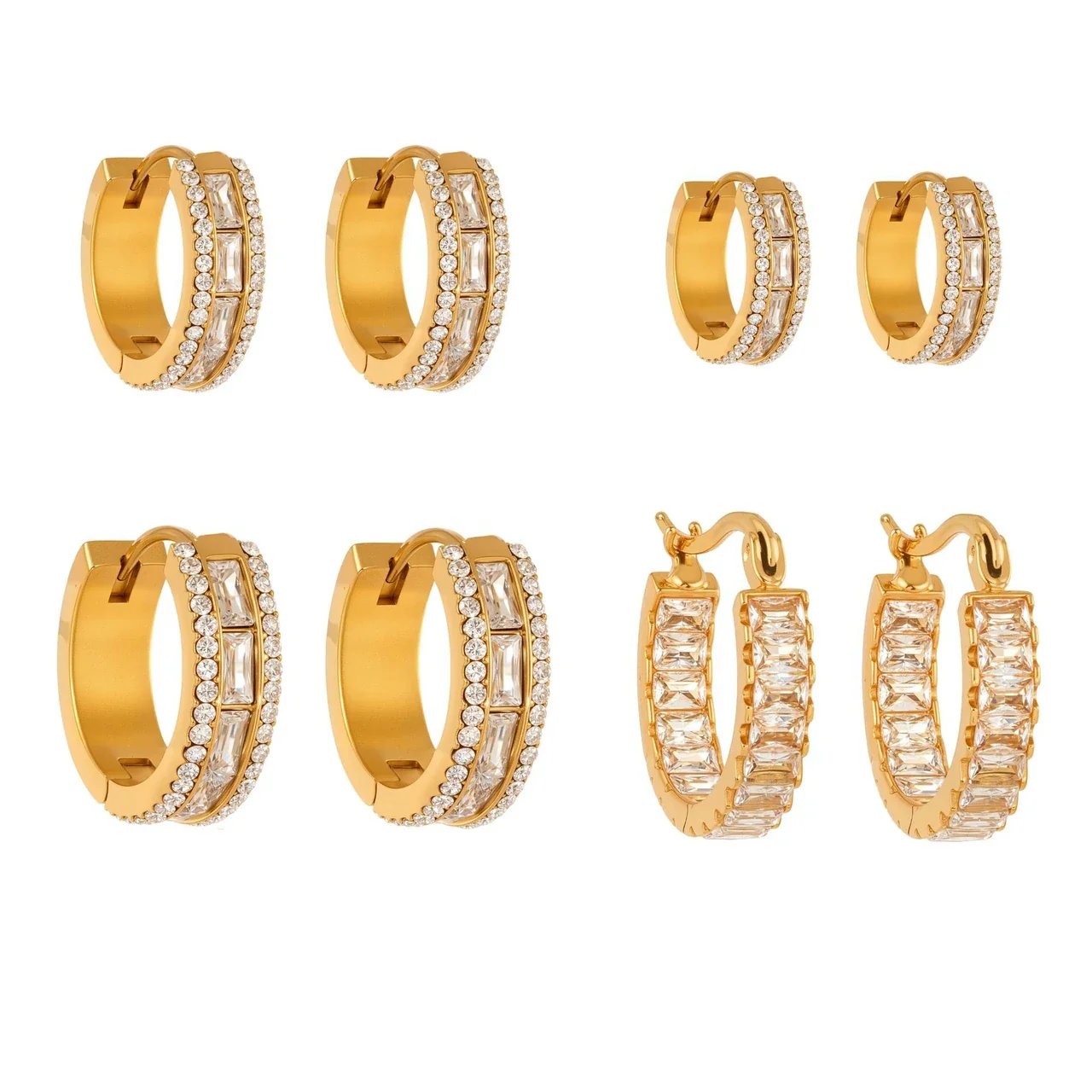
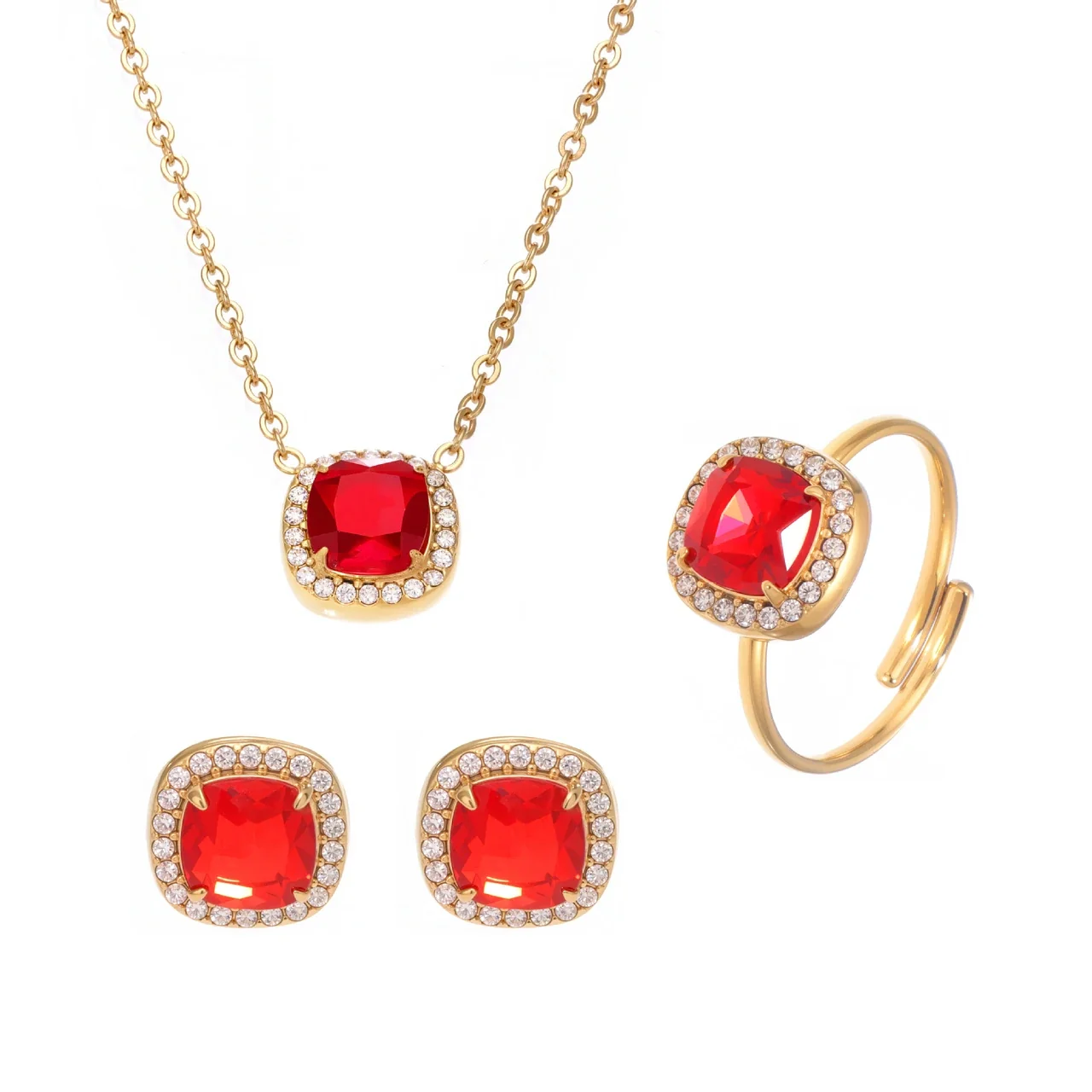
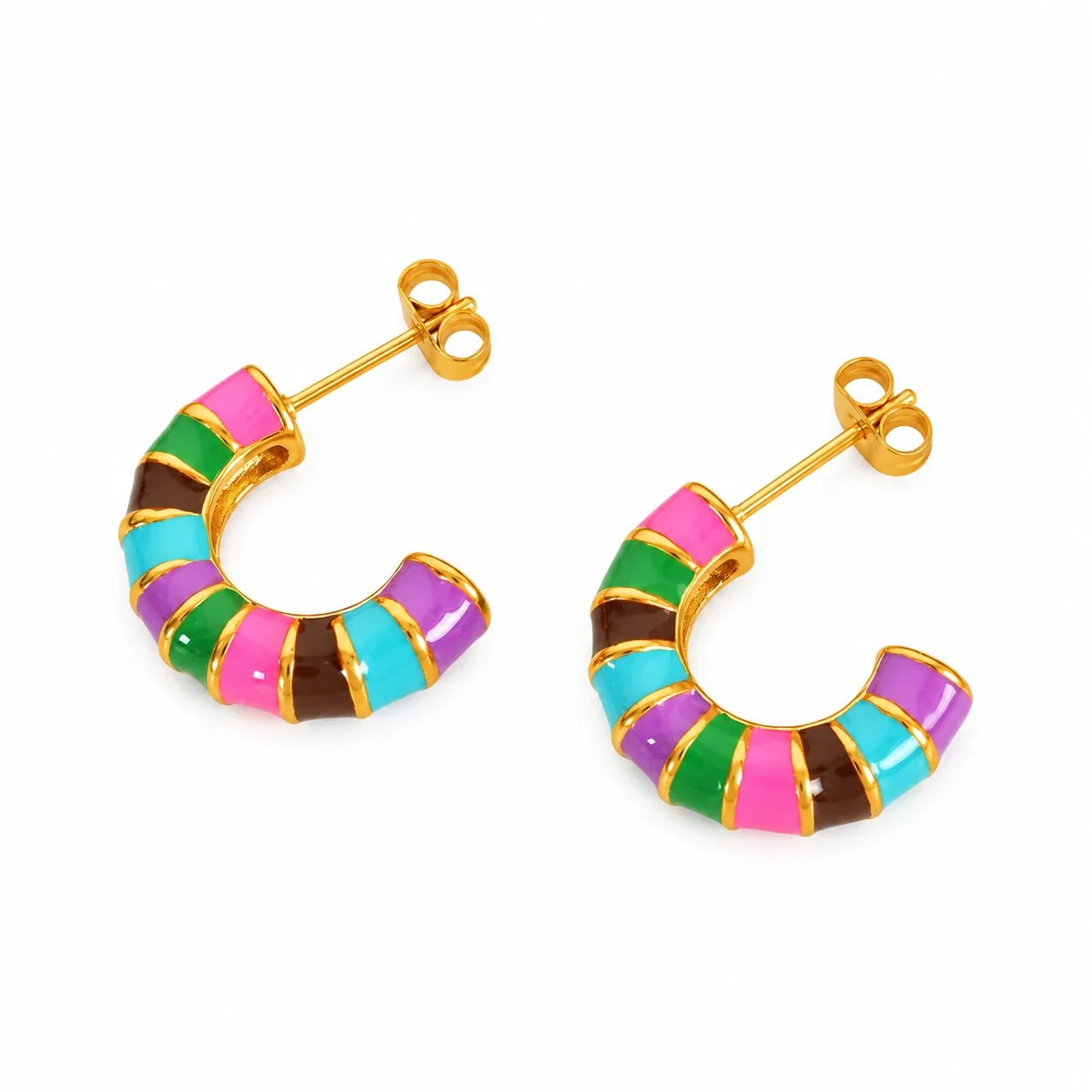
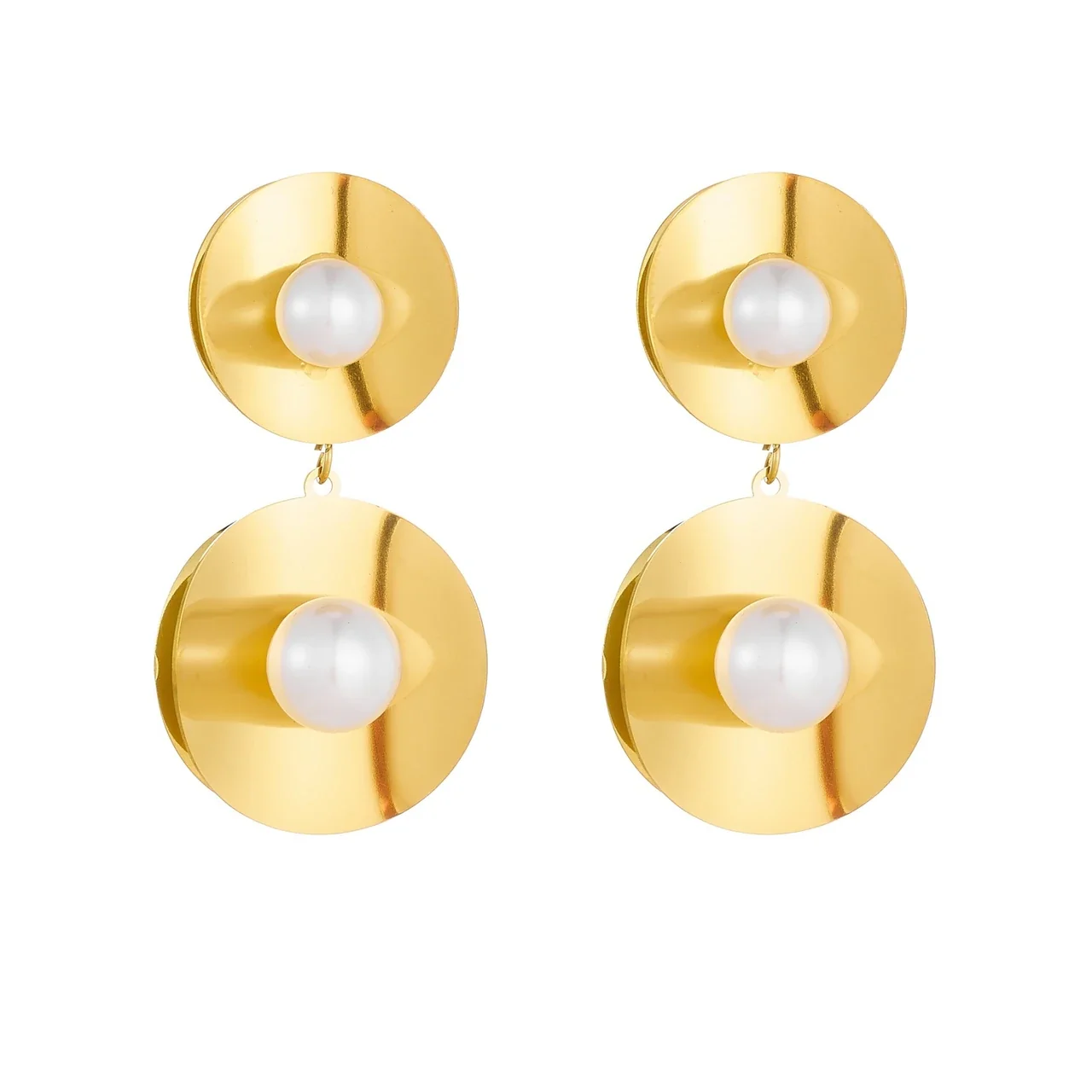
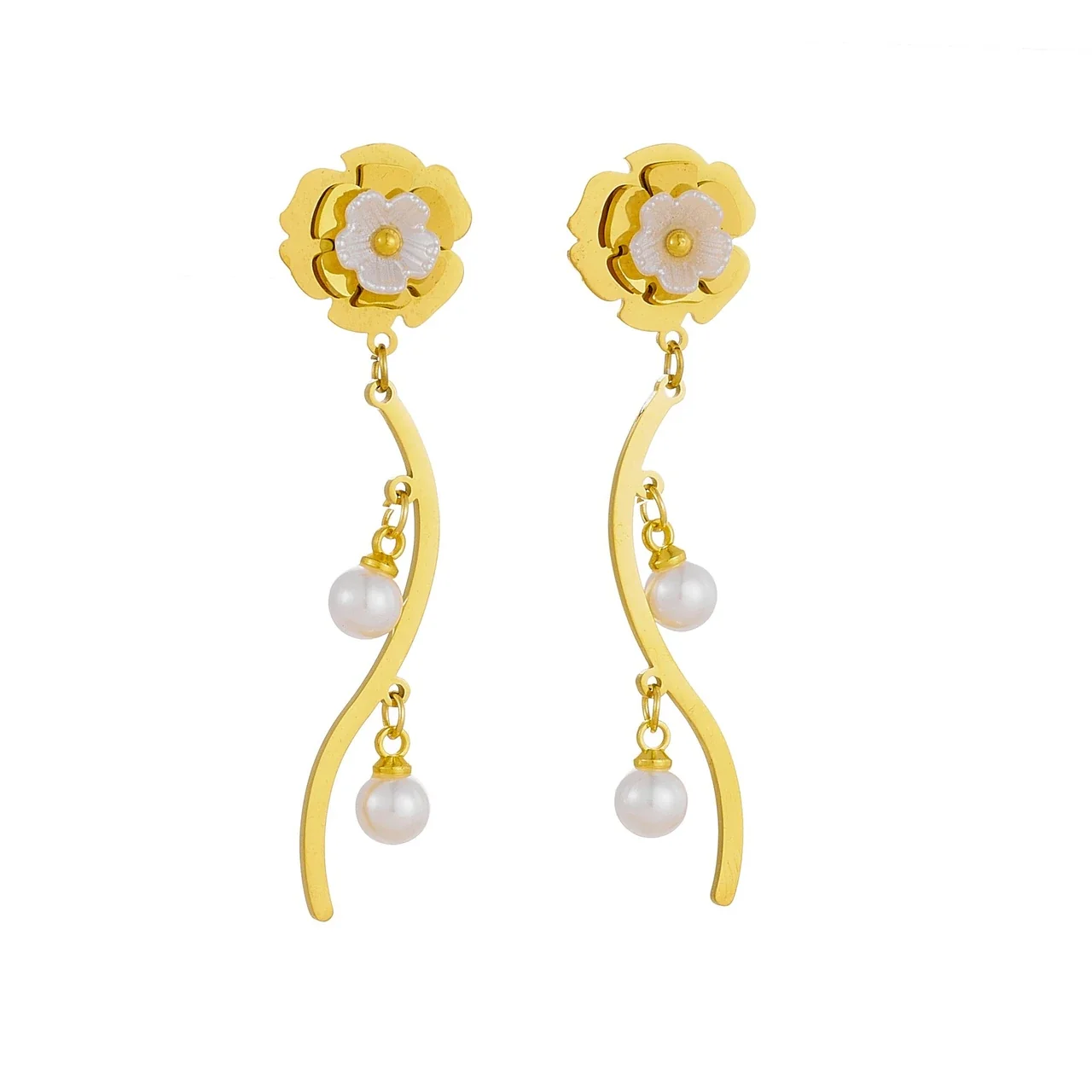
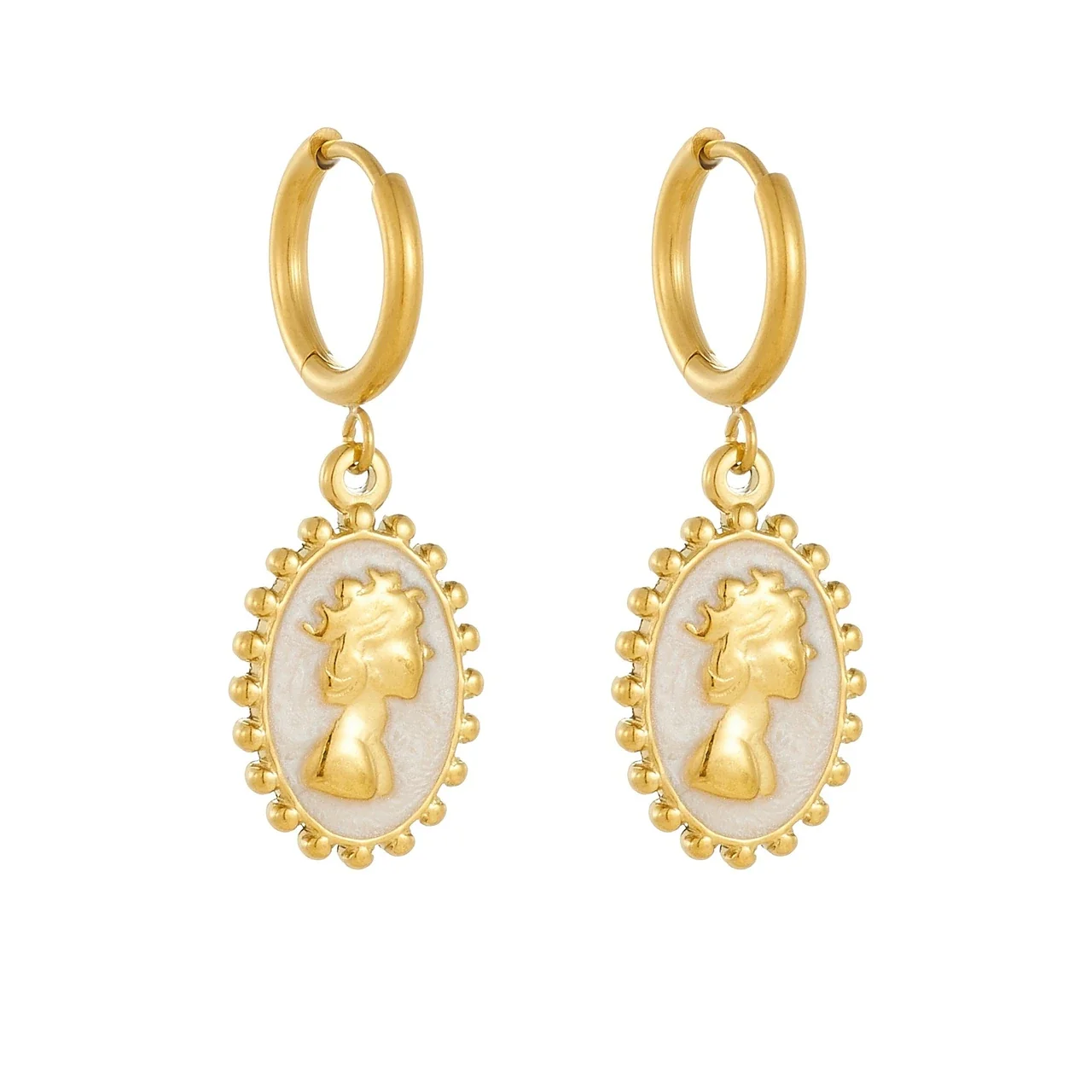
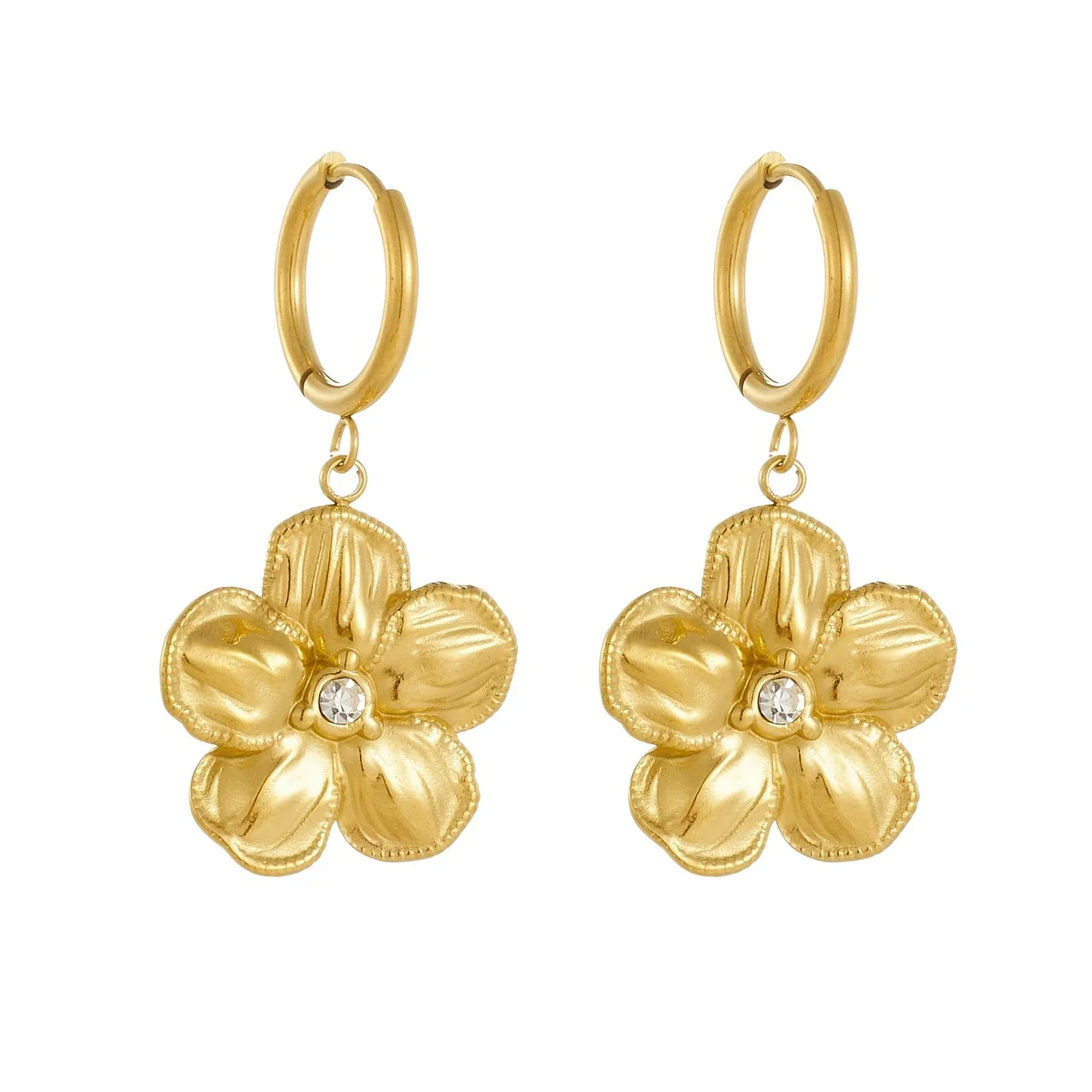
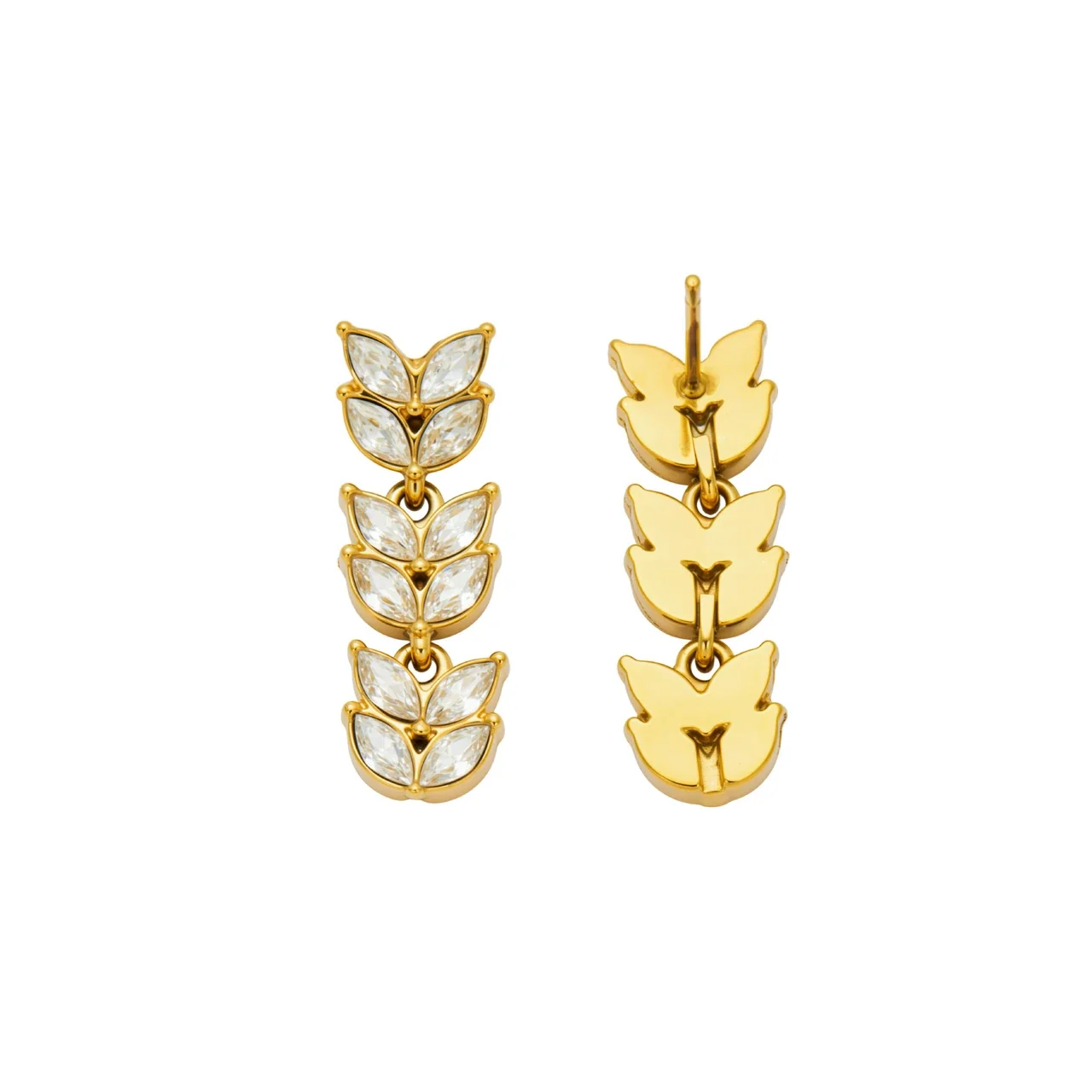
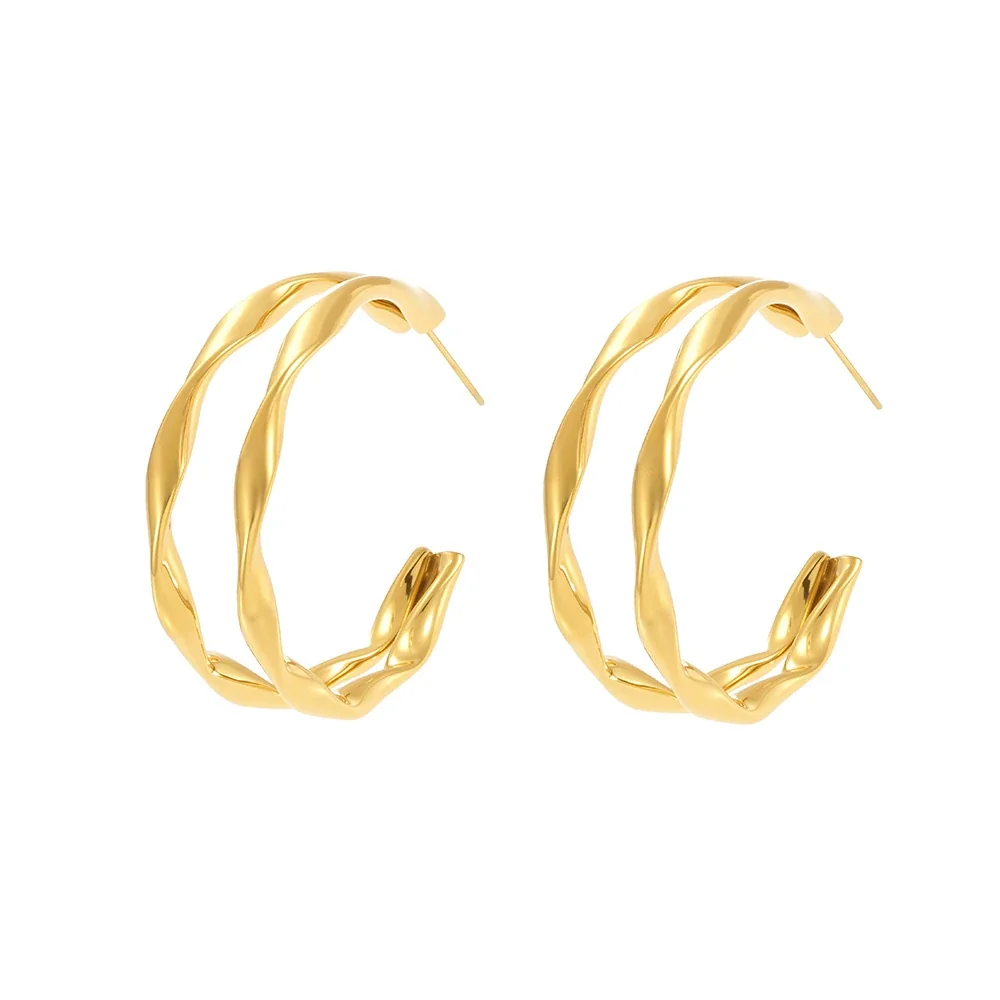
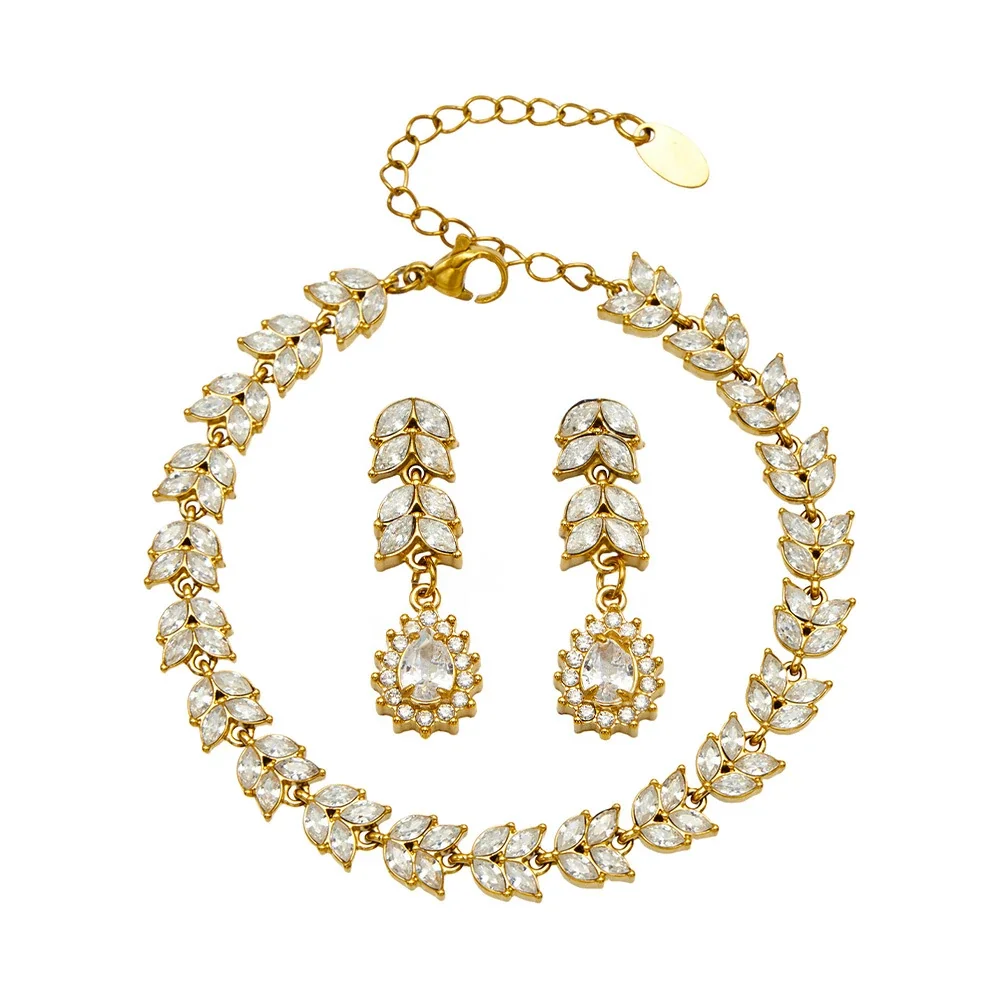
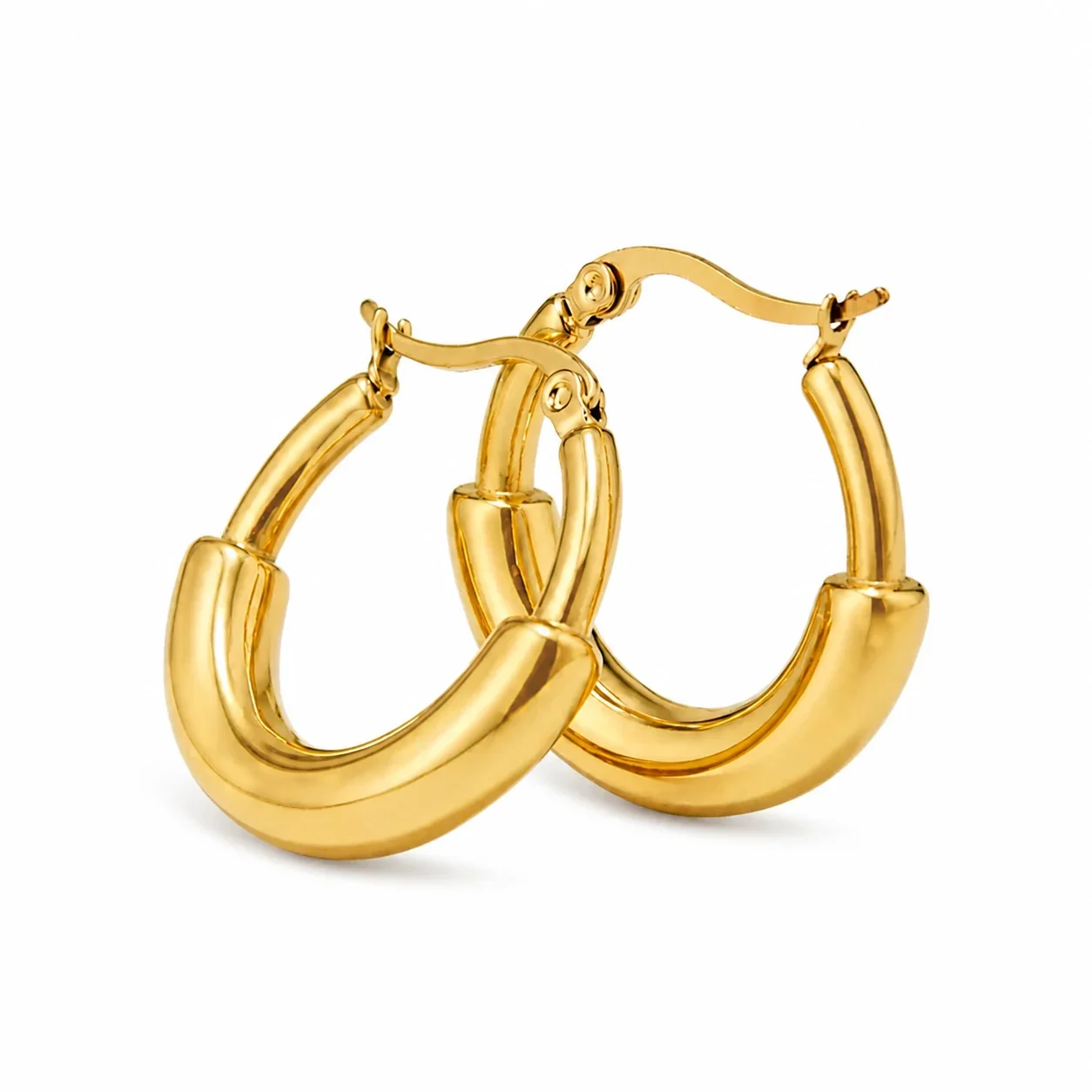
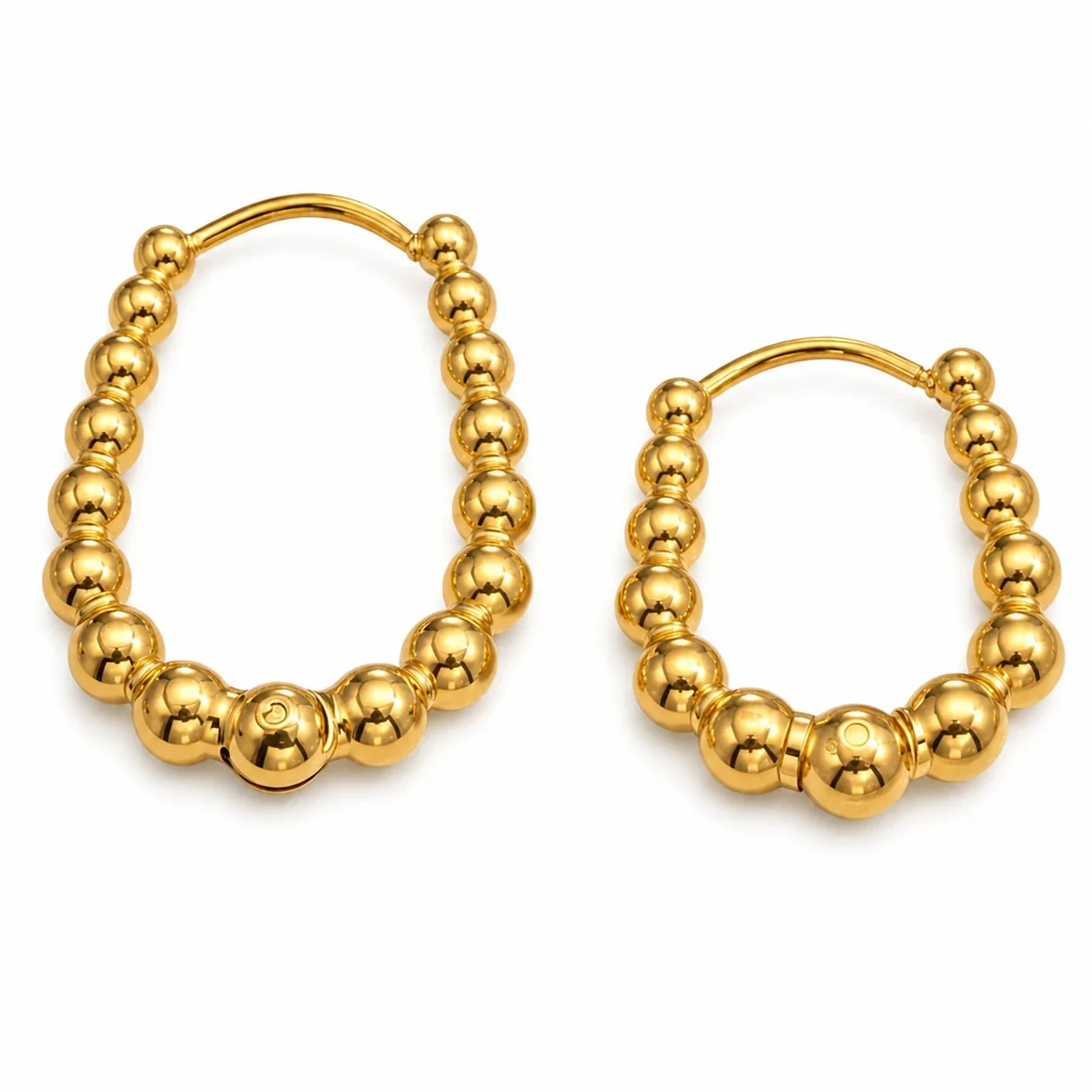
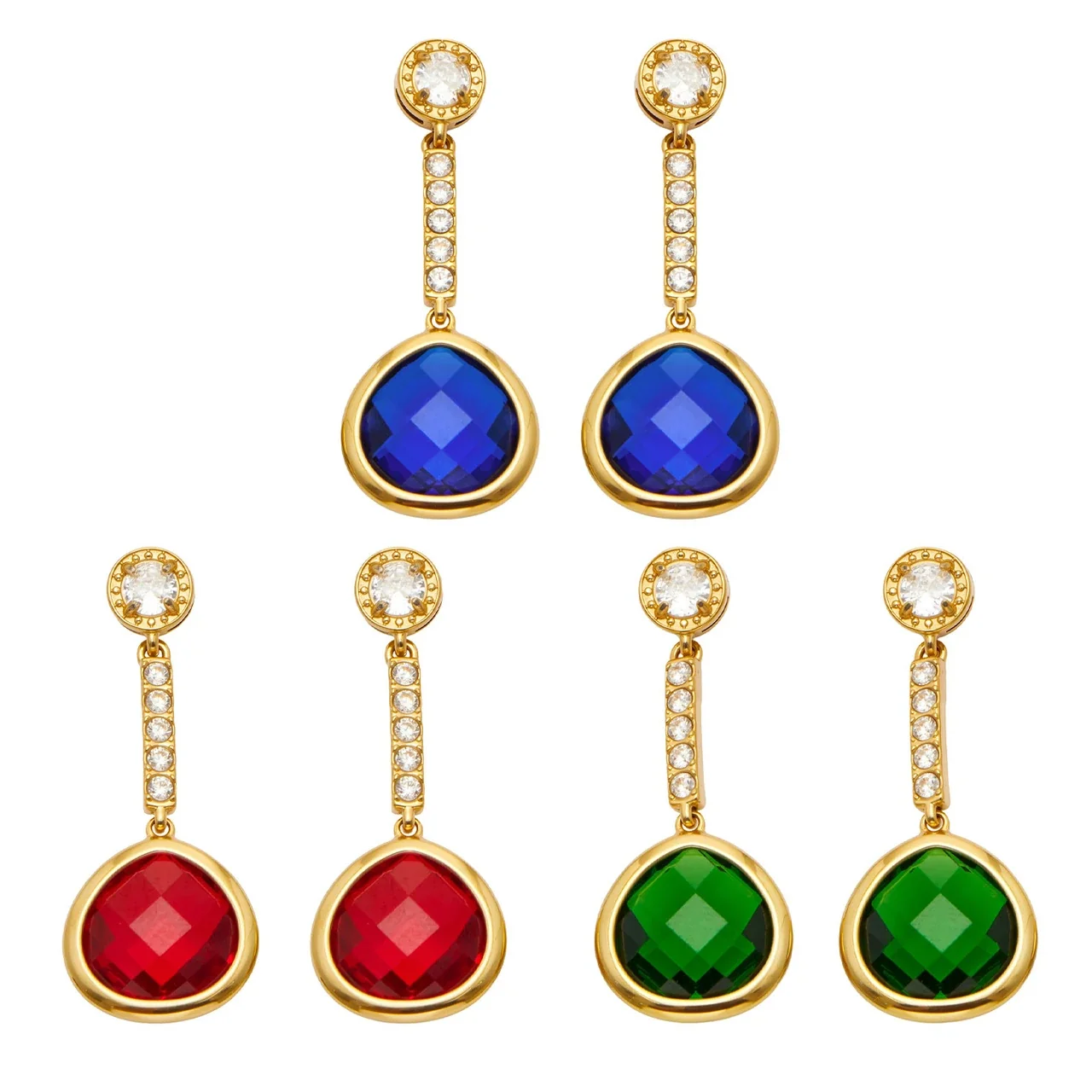
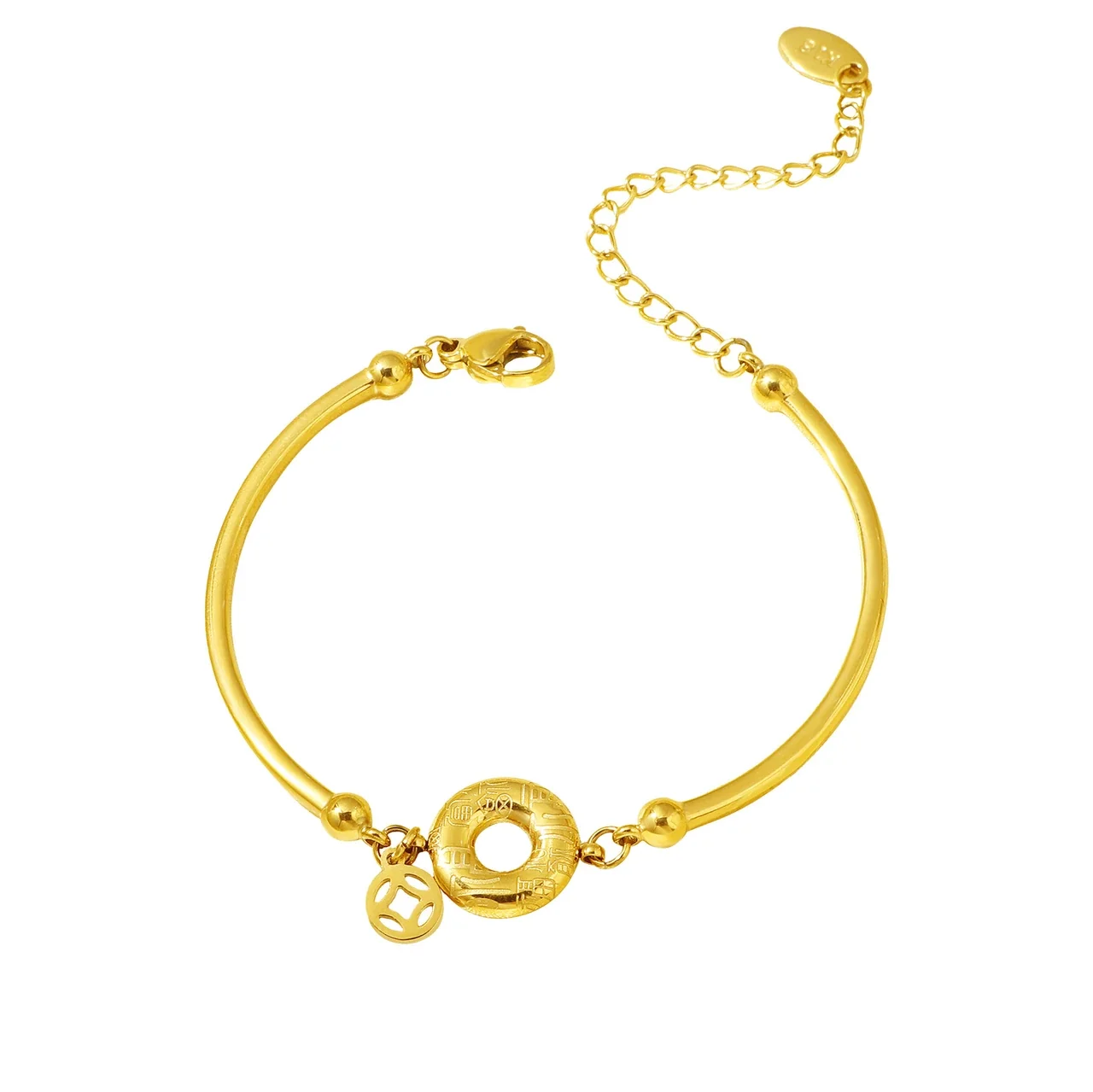
What is surgical stainless steel jewelry?
It is jewelry made from the 316 family of stainless steel, most often 316L. The name comes from the alloy's use in medical instruments, where corrosion resistance under sterilisation matters. In jewelry it is a trade description rather than a regulated grade, so the useful question is always which specific alloy the supplier means.
Is surgical stainless steel the same as 316L?
Usually, but not always, and nothing forces the two to match. Surgical steel most commonly means 316L and sometimes 316. Because no body defines the term for jewelry, it can be applied to lower grades without breaking any rule. Ask for the number rather than the name.
Is surgical stainless steel hypoallergenic?
No, not as a property of the material. Both 316 and 316L contain nickel, and we make no hypoallergenic or nickel-free claim for this catalogue. Nickel release from a passivated stainless surface is generally low, but low is not zero, and a claim about allergy safety requires a test result against a named standard rather than a material name.
How do you clean surgical stainless steel jewelry?
Warm water, a drop of mild soap and a soft cloth, then dry fully. Avoid abrasives, bleach and ultrasonic cleaning on plated pieces. The steel itself is unaffected by ordinary cleaning; any gold-tone surface layer is the part that wears, so treat the finish as the fragile element rather than the metal.
Does surgical stainless steel tarnish?
Uncoated 316 and 316L do not tarnish the way sterling silver does, because chromium forms a passive surface layer that reforms when scratched. They can dull from film, cosmetics and skin oils, which cleans off. Plated finishes wear separately and are not covered by the tarnish behaviour of the base steel.
Which pieces here are actually 316L?
641 buyable styles across 2,563 variants; public USD prices on every product page, $0.69–$37.38 for a single piece, median $3.99. Ready stock is sold as stainless steel: the grade is stated per SKU, and a piece listed without a grade number is treated as 304. Checked 9 September 2026.
Is surgical stainless steel jewelry a safe bet for sensitive-skin customers?
It is the safest common option at fashion price points: 316L keeps nickel release low, which is why piercing studios standardized on it. No steel is universally hypoallergenic, so a retailer serving sensitive-skin customers should stock pieces whose grade is stated per product - 'surgical steel' used loosely, with no grade behind it, is a marketing word rather than a specification.
Do you also stock 304 stainless steel jewelry?
Yes. Both common jewelry grades are represented in the ready stock: pieces listed without a grade number are treated as 304; grades are never guessed upward, so a listing says 316 only where the record for that SKU states it. For everyday fashion jewelry 304 is generally sufficient, and the 304 range, chains included, is gathered at https://jewena.com/wholesale/304-stainless-steel-jewelry and ships from 1 piece with price steps at 3 and 10 pieces.