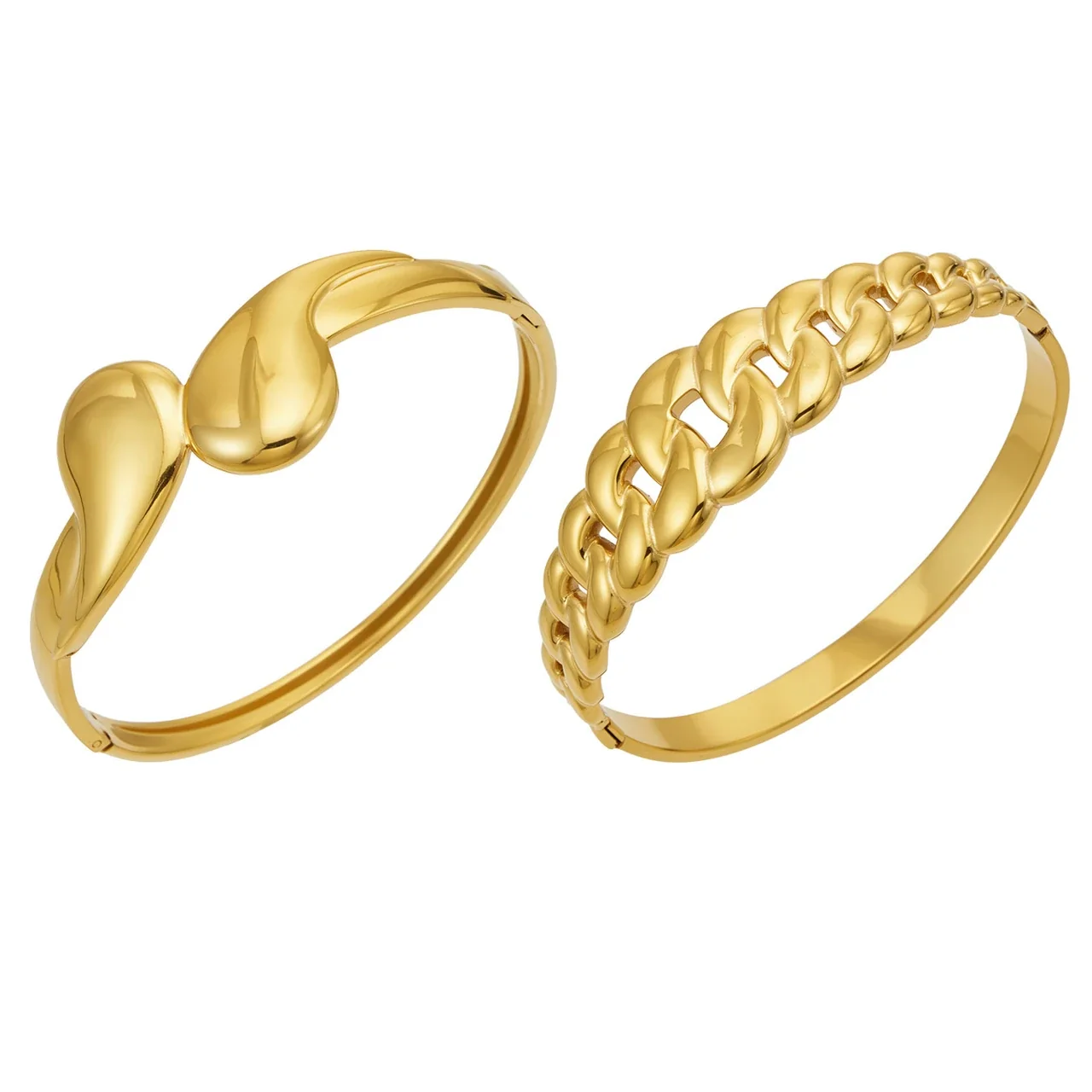
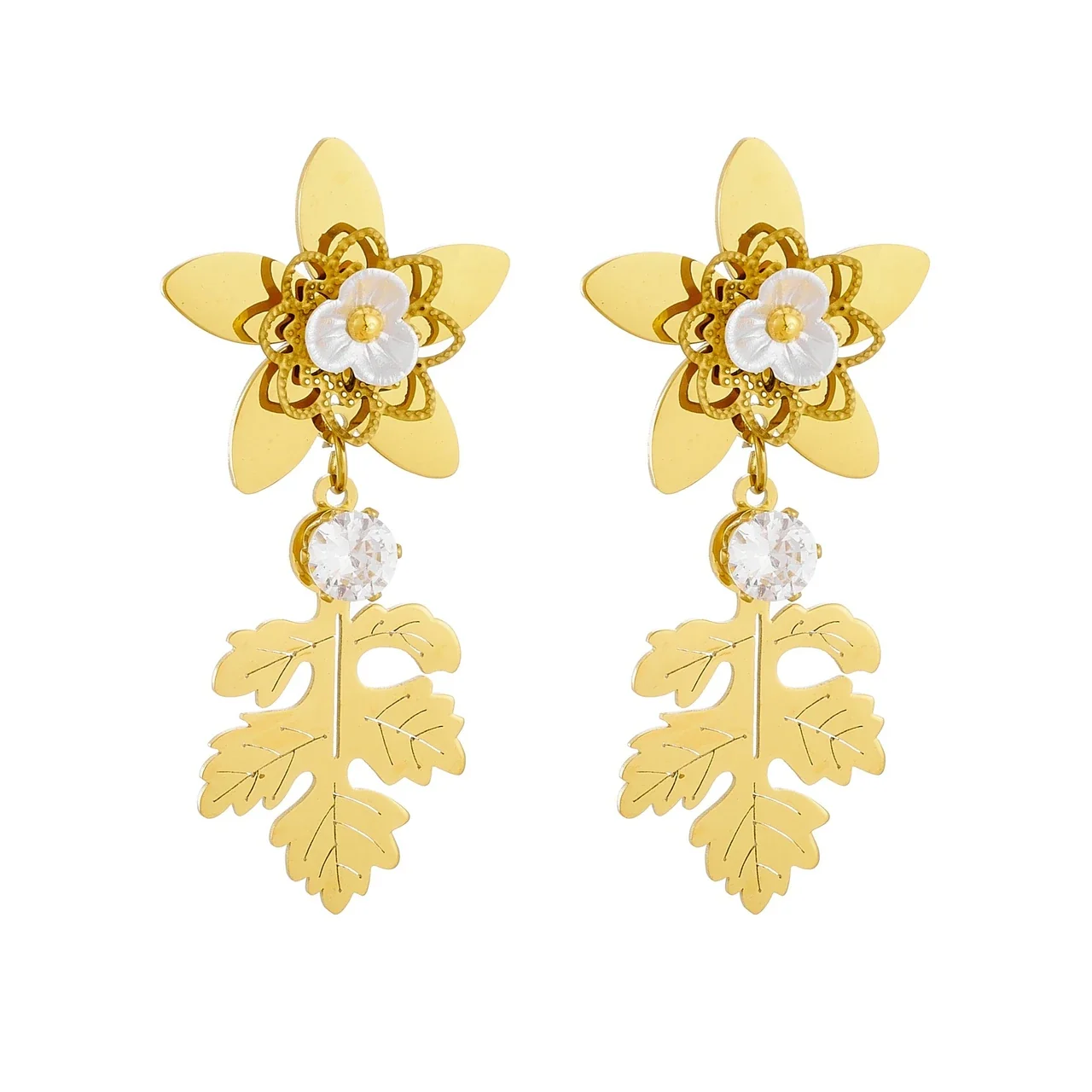
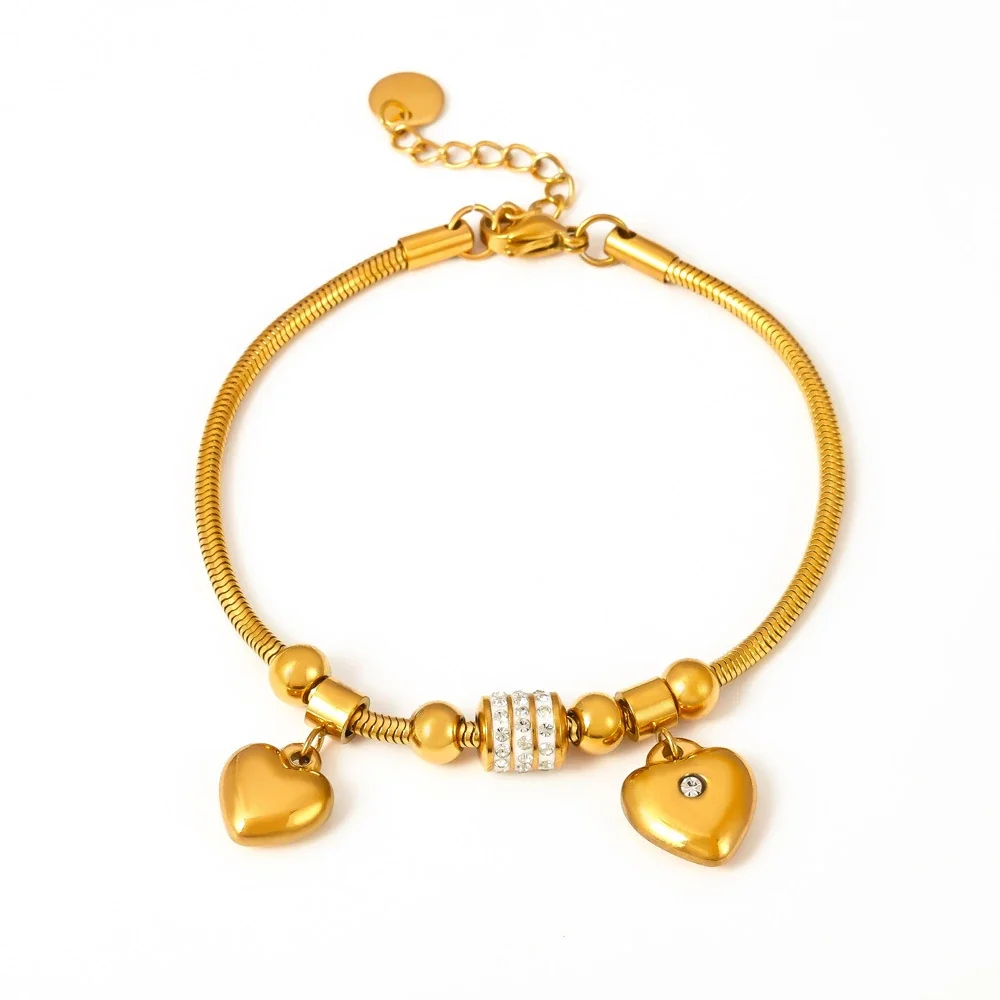
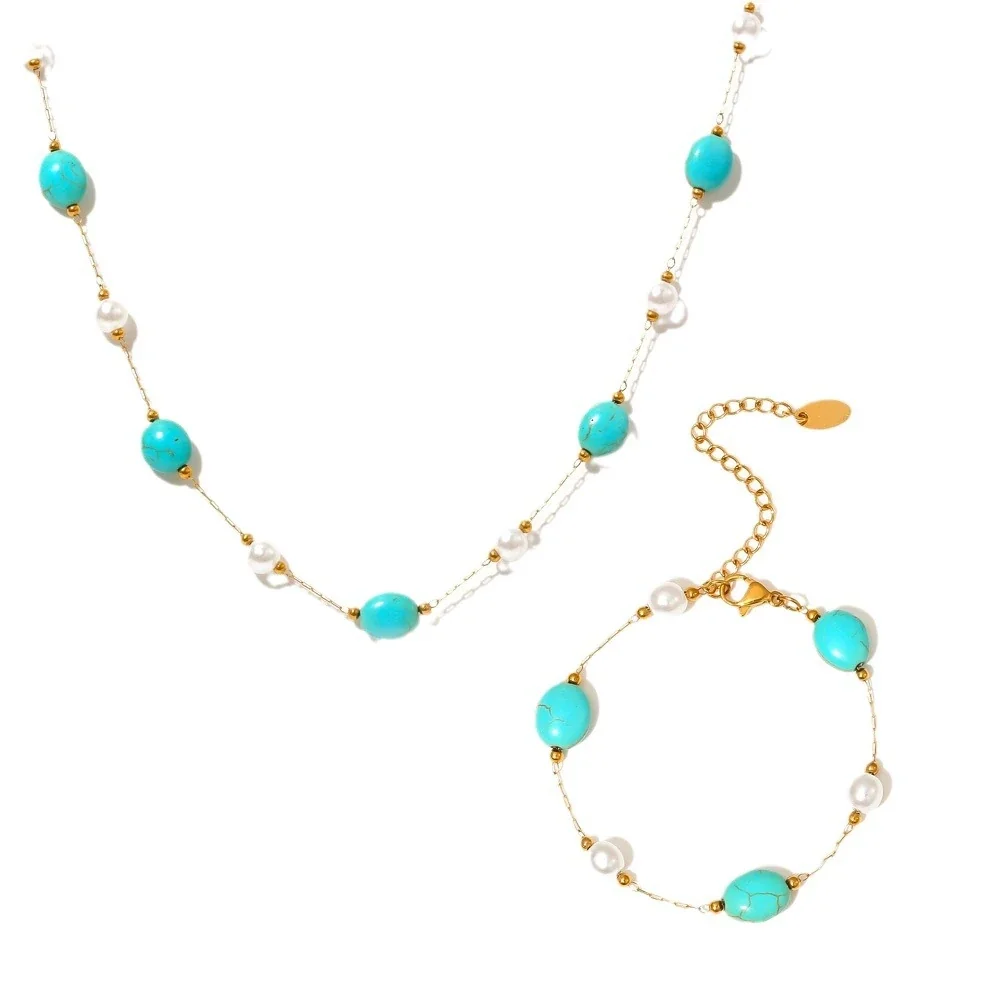
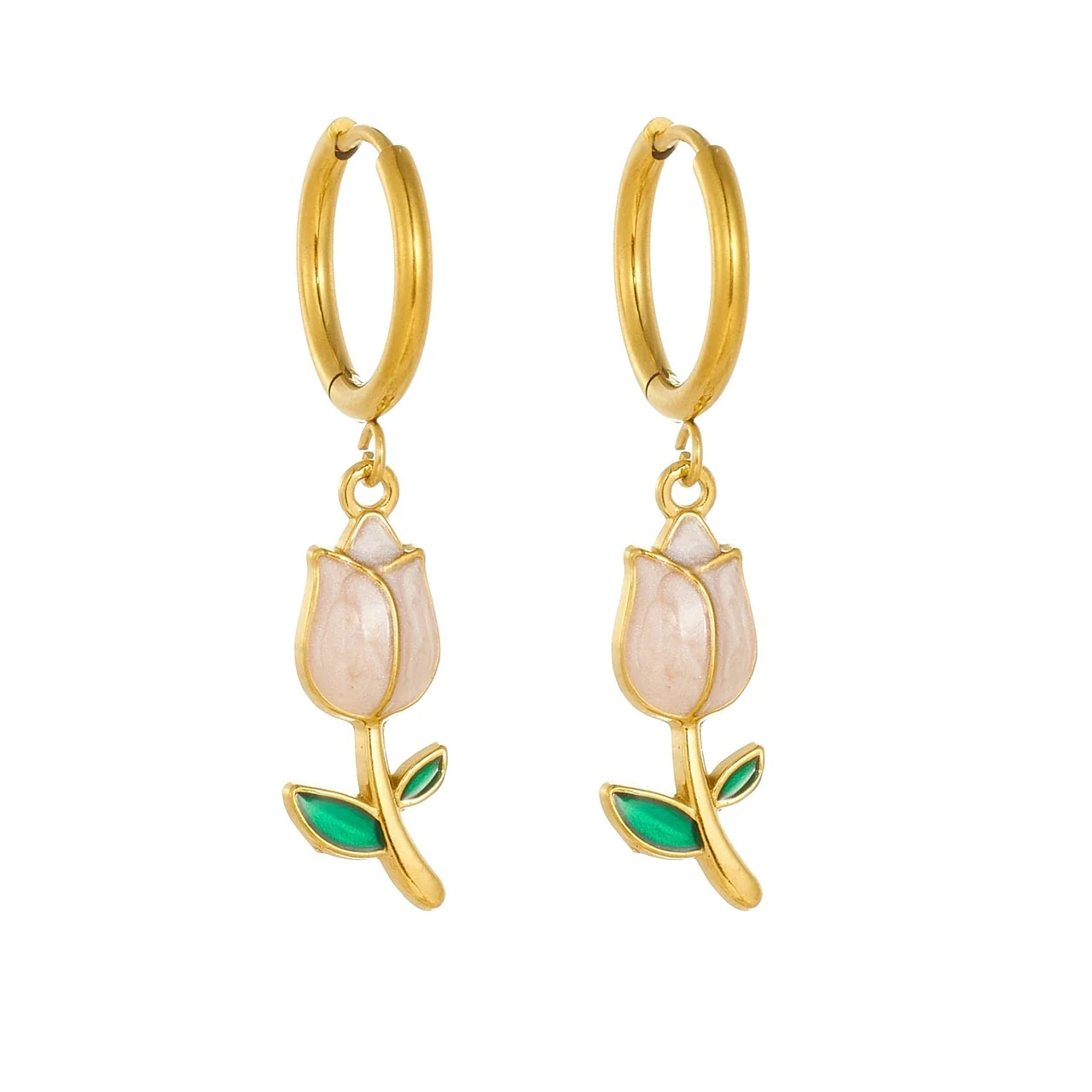
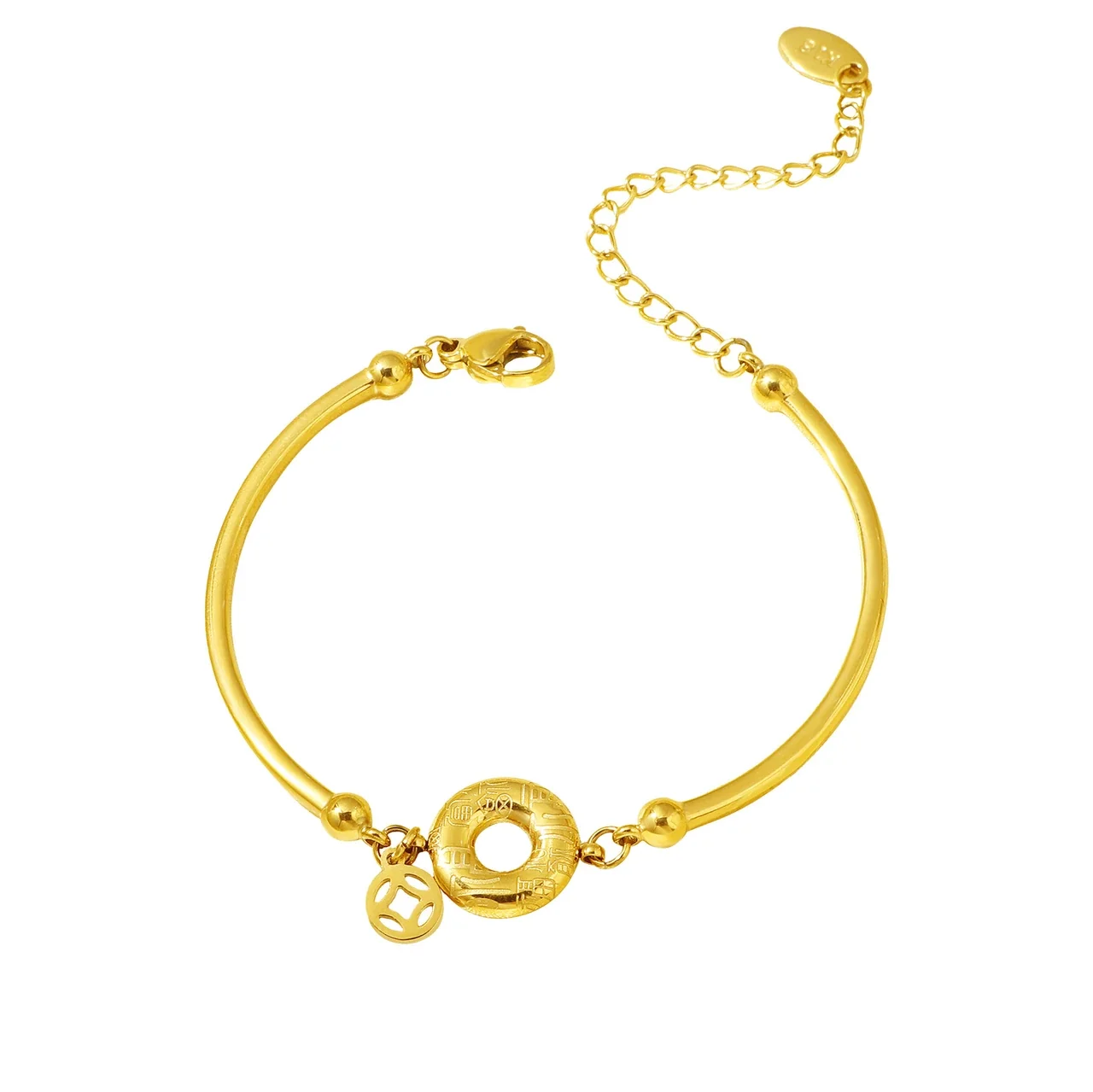
Is 304 stainless steel good for jewelry?
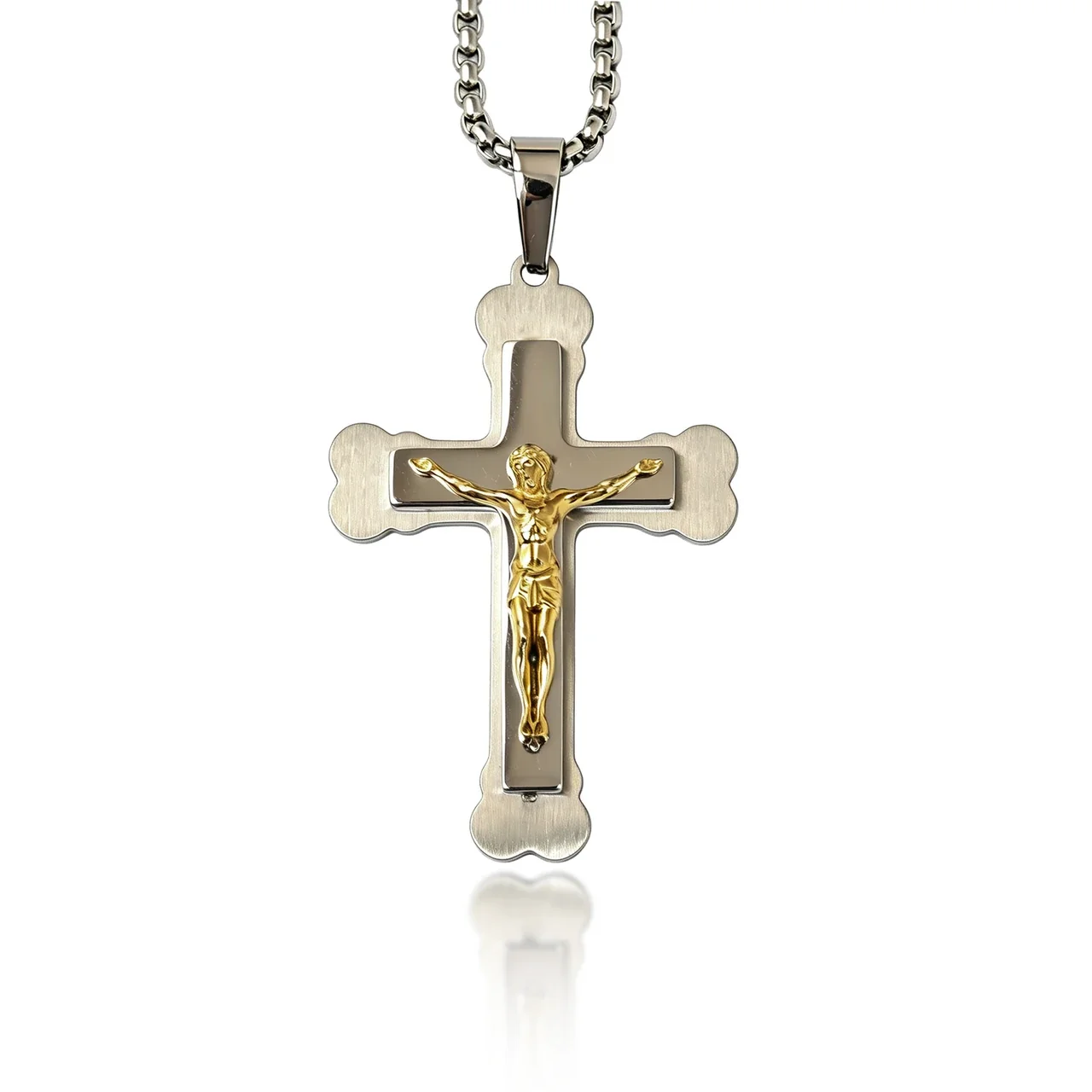
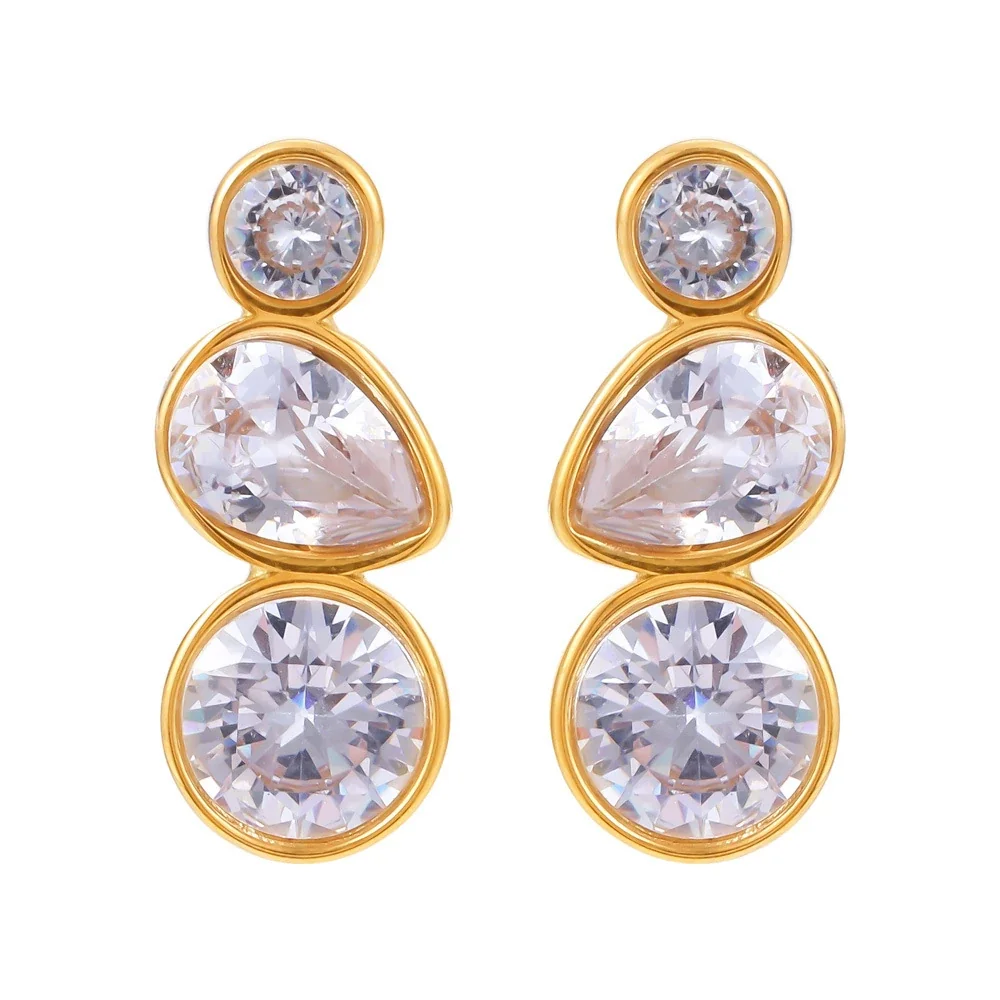
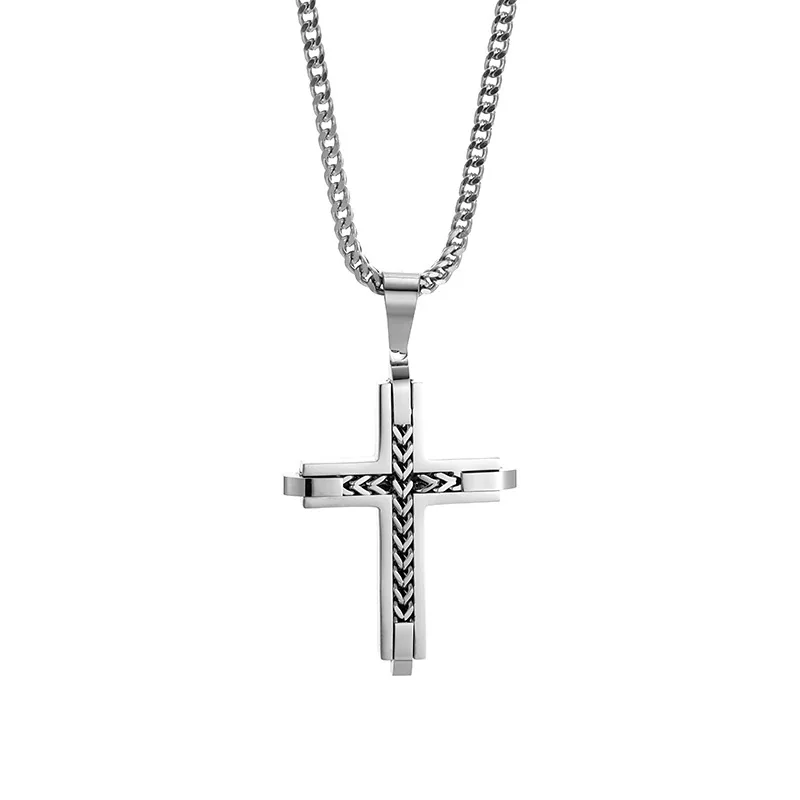
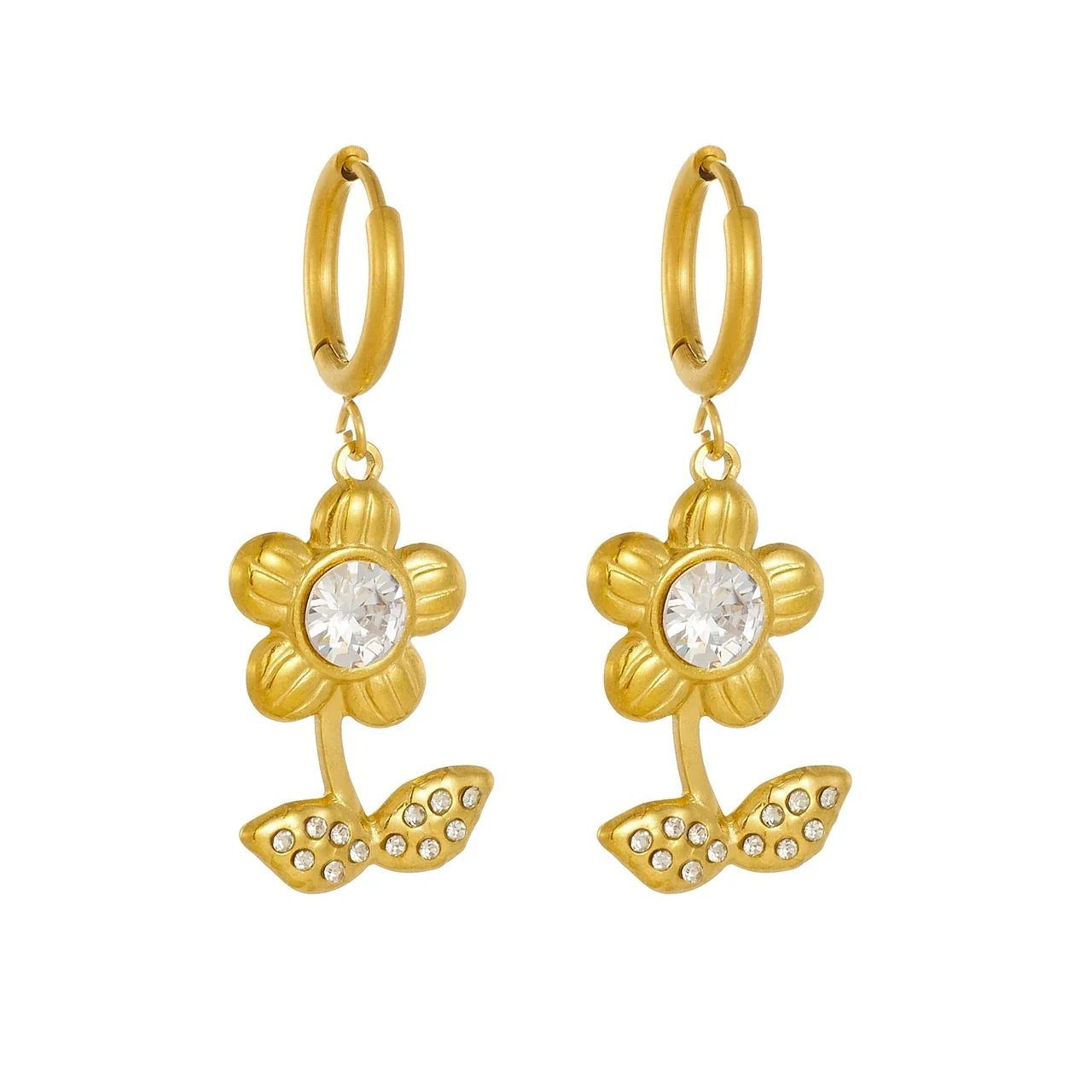
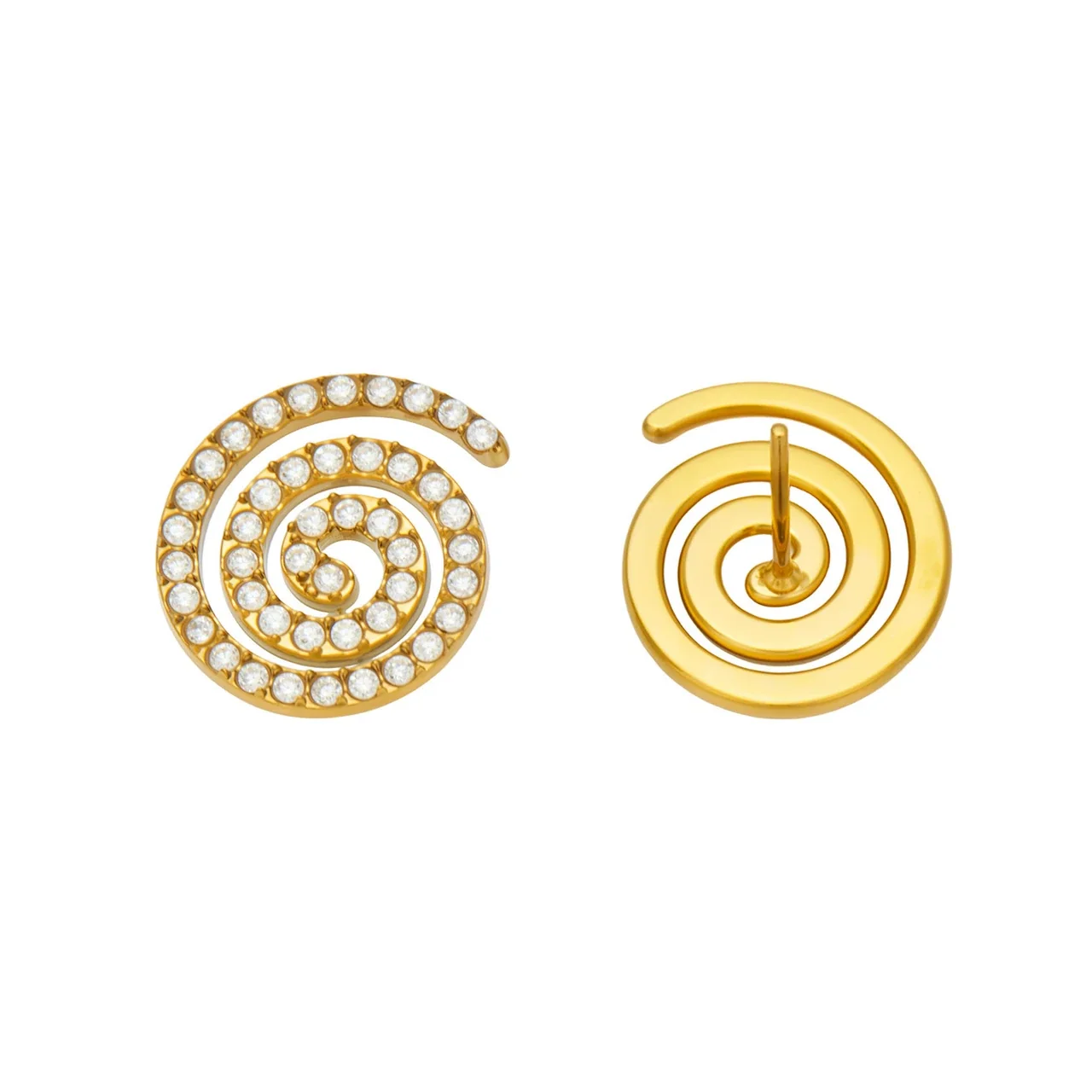
Yes, for most fashion and everyday jewelry. 304 is a genuine stainless steel: its chromium forms a self-repairing passive layer, so it does not rust in normal wear, it holds a polish, and it takes gold plating and PVD finishes well. It is the standard base for chains, chain bracelets and plated pieces at value price points. Where it falls short is constant exposure to seawater, pool water or heavy sweat, which is where 316L, with its molybdenum content, is the stronger grade.
Does 304 stainless steel jewelry tarnish?
Uncoated 304 does not tarnish the way sterling silver does; the chromium passive layer keeps the surface stable in ordinary dry wear and with occasional water contact. Under prolonged salt water or sweat it can dull or show pitting sooner than 316L. On plated pieces the finish wears separately from the base steel on either grade: a gold-plated or PVD surface is the layer that changes colour with time, and how evenly it wears depends on the finish, not on whether the steel underneath is 304 or 316.
304 vs 316 stainless steel jewelry: what is the difference?
Both are austenitic chromium-nickel stainless steels, and both contain nickel. 304 is about 18% chromium and roughly 8–10.5% nickel. 316 keeps a similar base and adds about 2–3% molybdenum, which improves resistance to chloride pitting from salt water, pool water and sweat. 316L is the low-carbon version of 316, preferred where the metal is welded. In ordinary wear the two grades look identical, weigh the same and take the same finishes; the difference shows up only under constant chloride exposure, and in the raw material price, which is why 304 is the value tier and 316 or 316L the premium tier.
Do I need 316L for my jewelry line?
Usually not. For fashion, chain and plated lines, 304 is normally enough: it handles daily wear, it polishes and plates the same way, and it keeps the price point where a value range needs it. 316L is a different proposition. On this site it is available only as custom production, and the raw material and run cost push a 316L piece close to what a comparable sterling silver piece would cost, so for most ranges it is not the right choice. It makes sense when your own customers wear the pieces in seawater or chlorine every day, or when a written specification names the grade. In that case a 316 or 316L OEM run is the route, from 200 pieces per design.
How is the grade labelled on Jewena listings?
Ready stock is sold as stainless steel; a grade number appears on a listing only where the source record for that SKU states 316. Pieces listed without a grade number are treated as 304; grades are never guessed upward. On 11 September 2026 that was 409 of the 625 in-stock styles, with 216 styles carrying a 316 label on their own product page, and the 316 line is kept on its own wholesale page. 316L is never sold from stock; it is produced to order, with the grade written into the quotation and the order.
Is 304 stainless steel nickel-free or hypoallergenic?
No stainless steel grade is nickel-free: 304, 316 and 316L all contain nickel, and the passivated surface is what keeps release low. 316 and 316L earn their price under constant chloride exposure such as seawater and pools, not on nickel. For a customer with a strong nickel allergy, a different material is the honest answer. 304 carries roughly 8–10.5% nickel in the alloy; no hypoallergenic or nickel-release claim is made for this catalogue, and 304 should not be relabelled as hypoallergenic on a resale listing.
Is 304 stainless steel chain good for necklaces and bracelets?
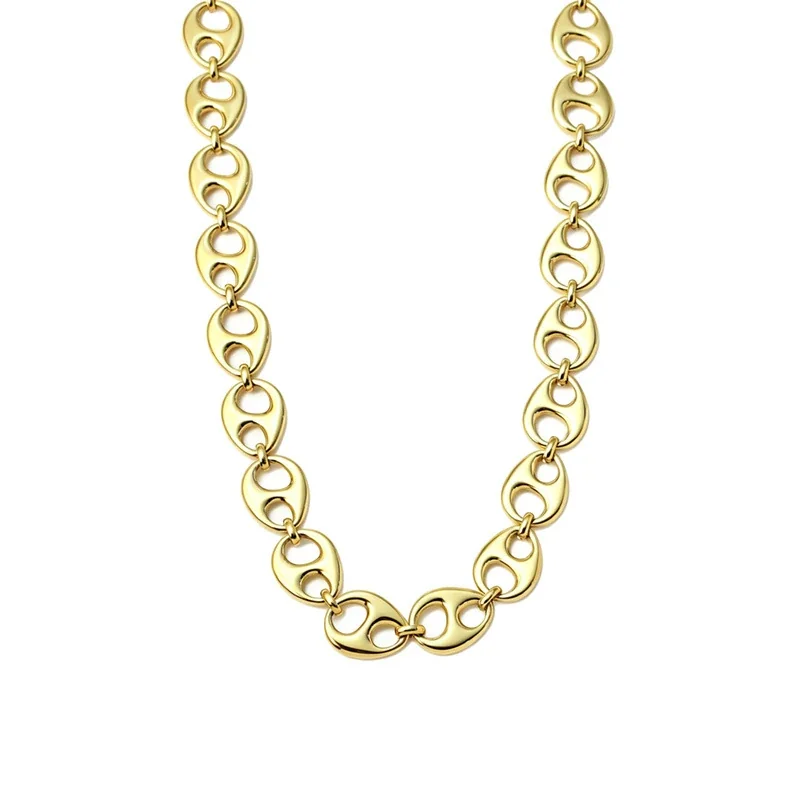
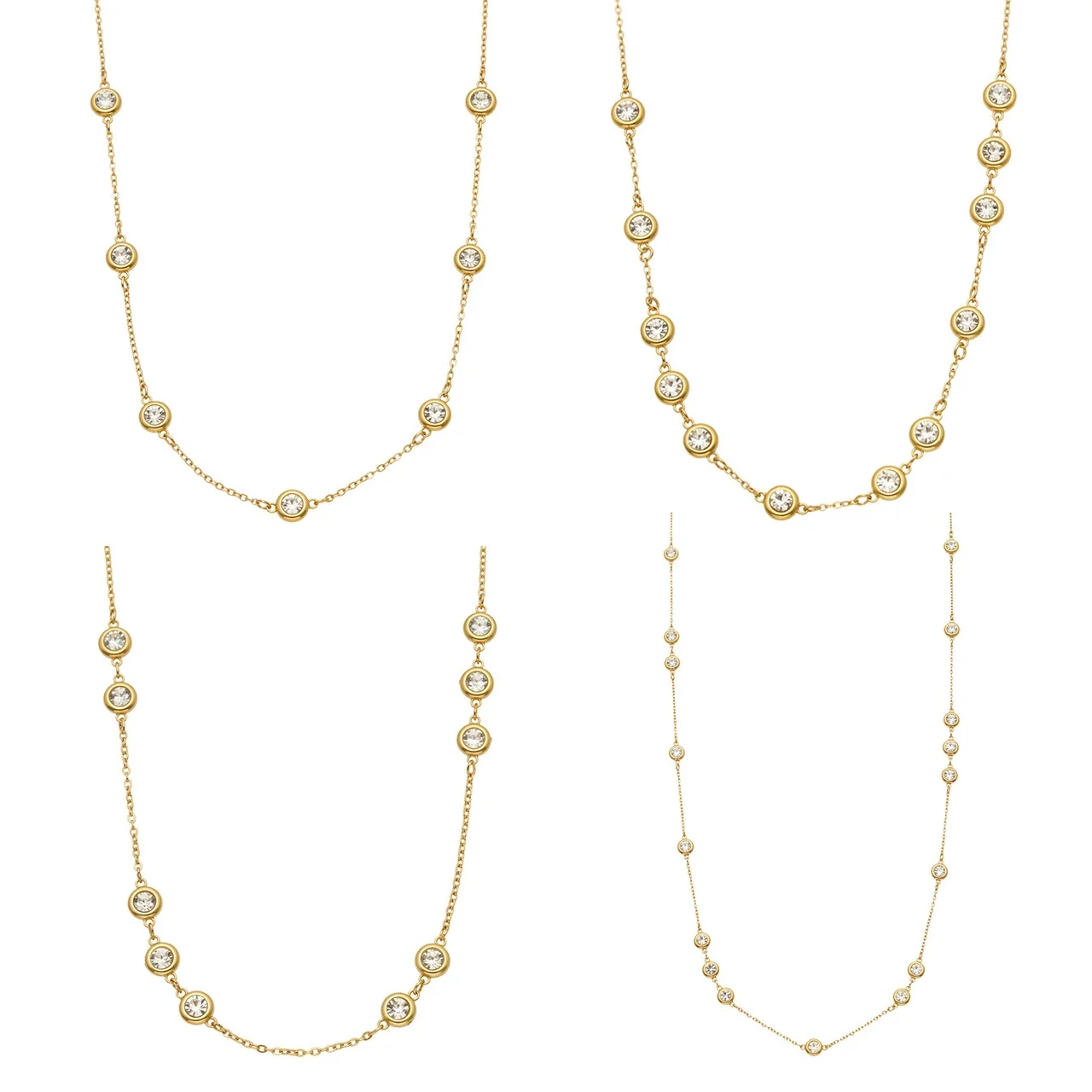
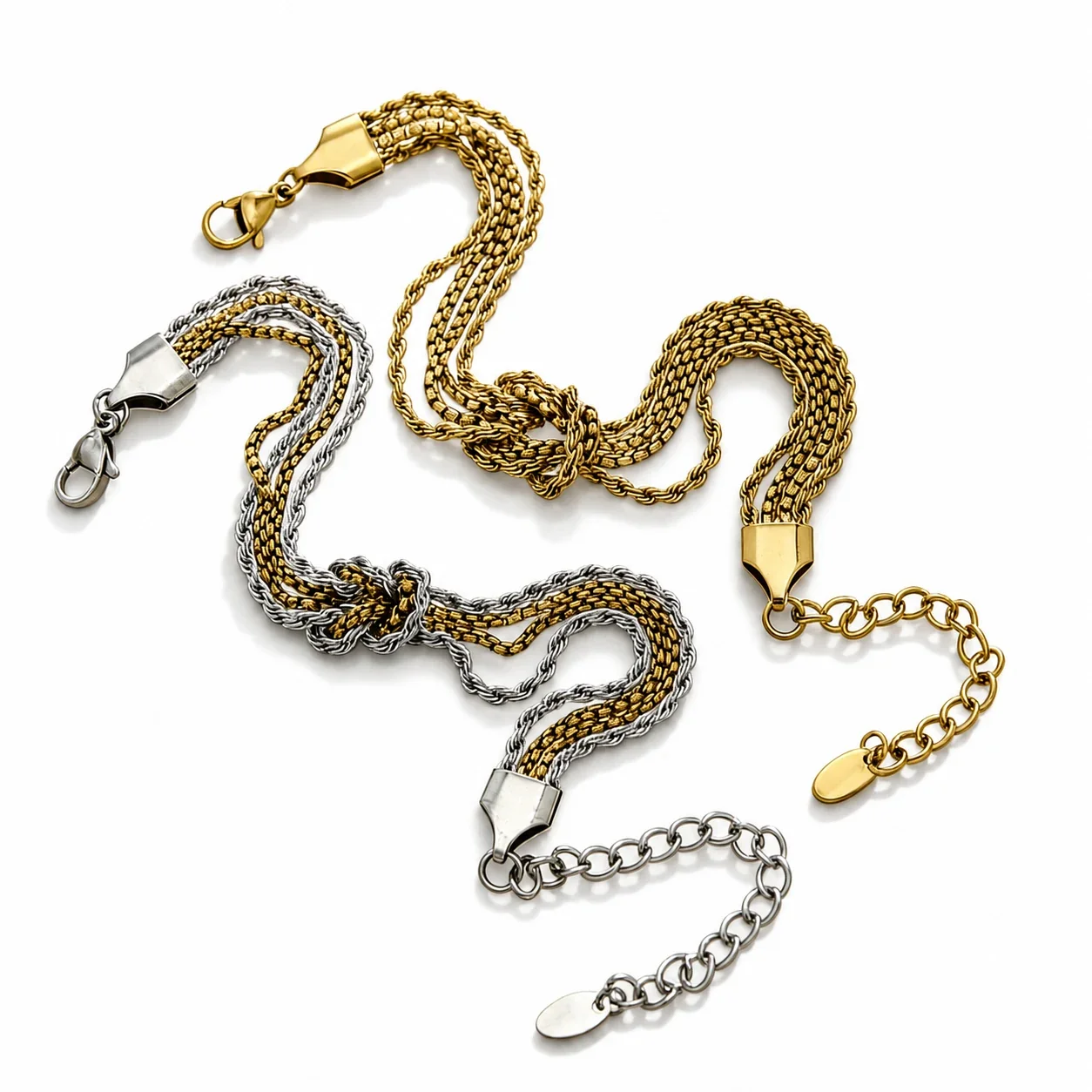
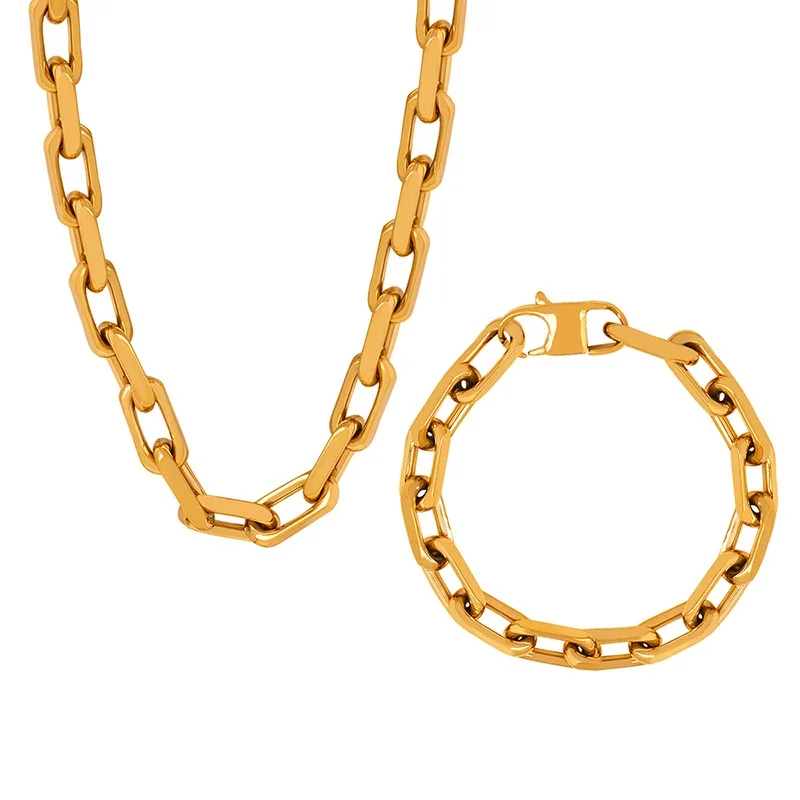
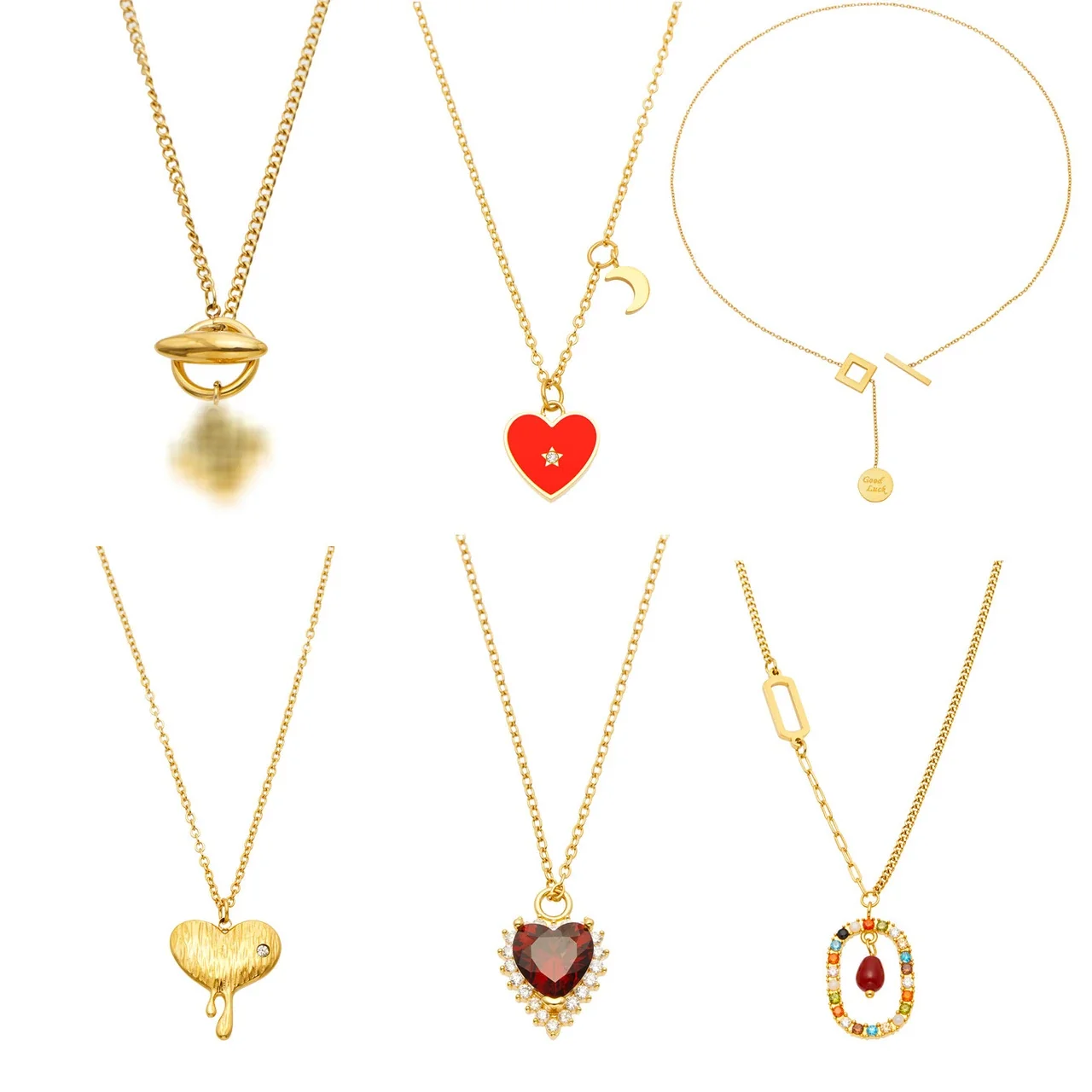
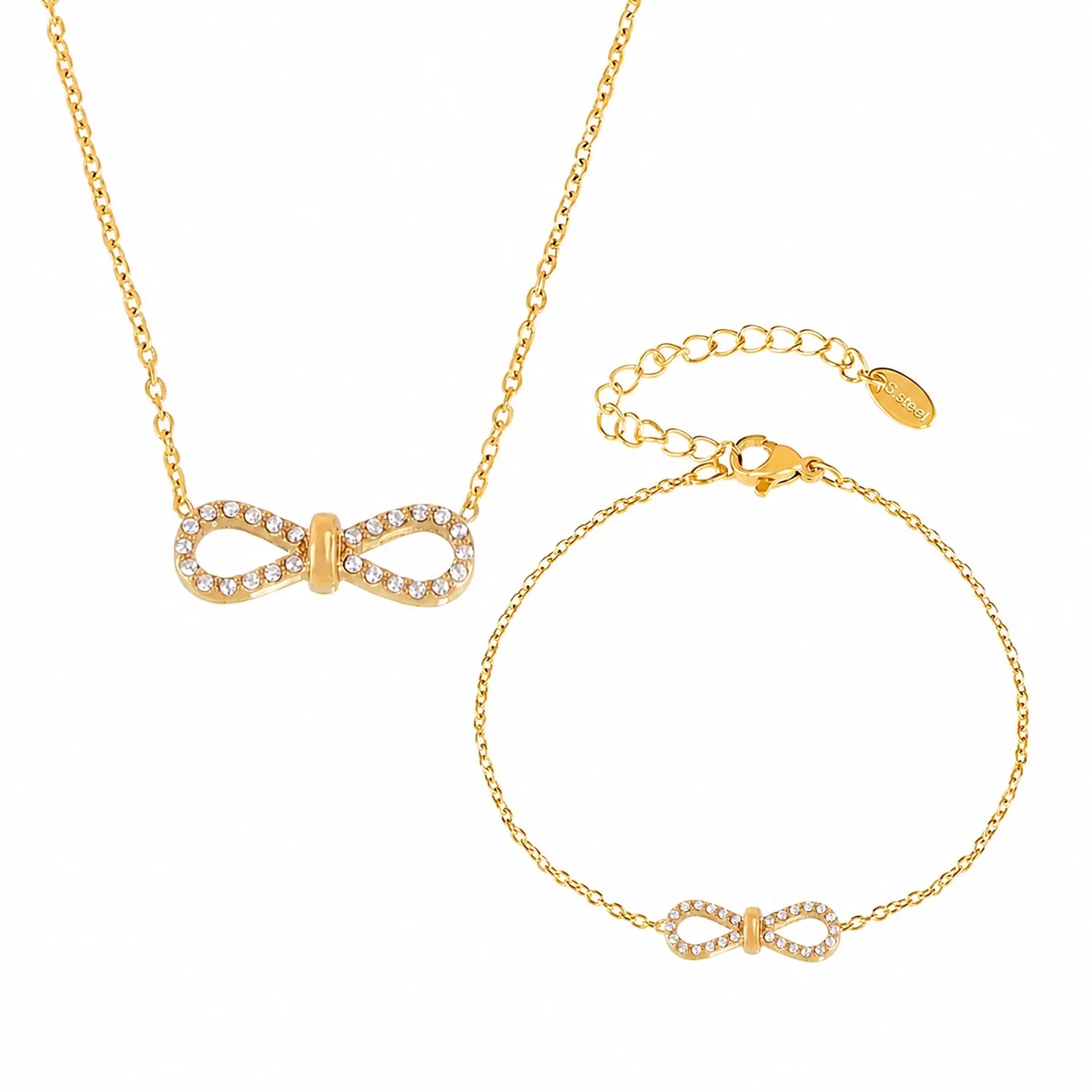
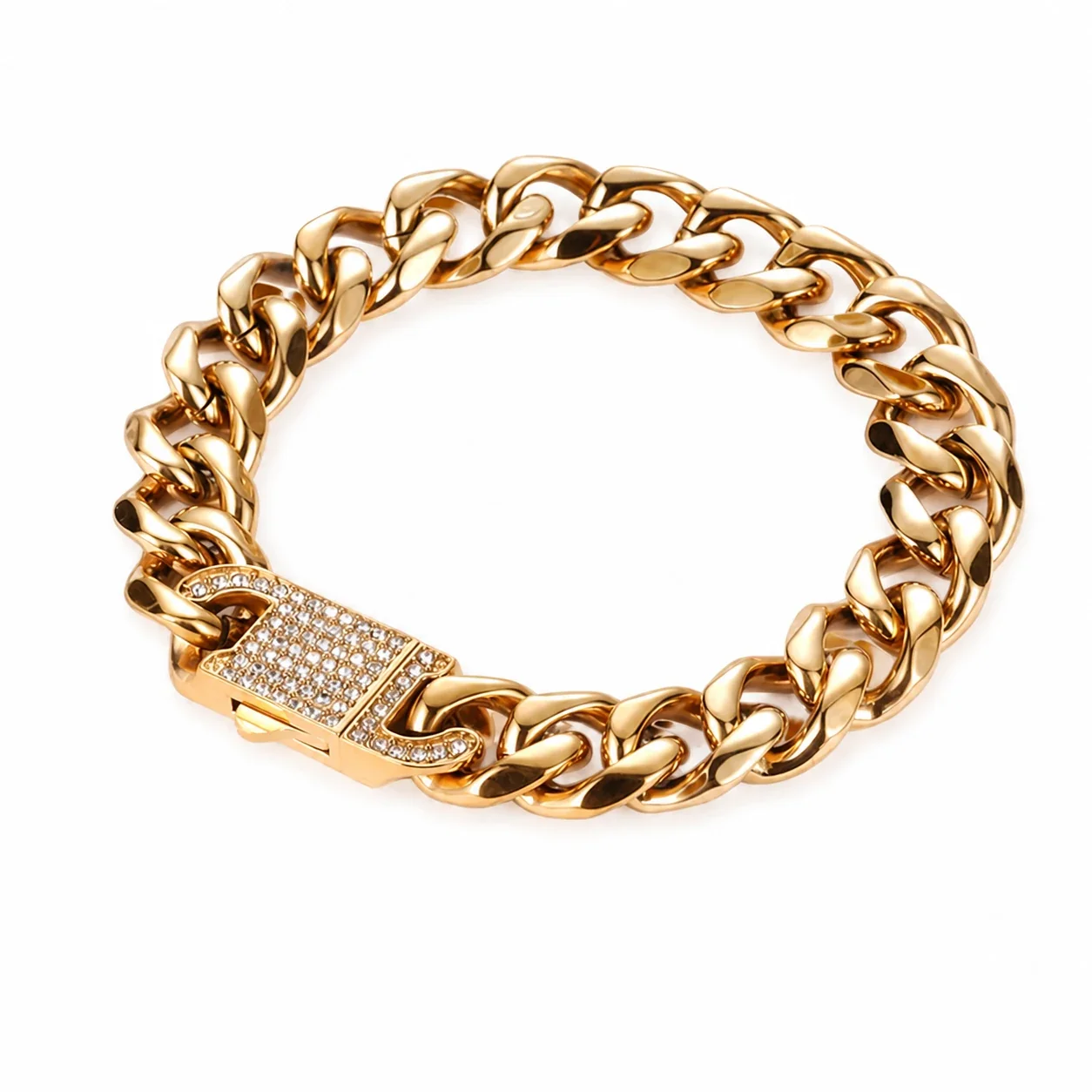
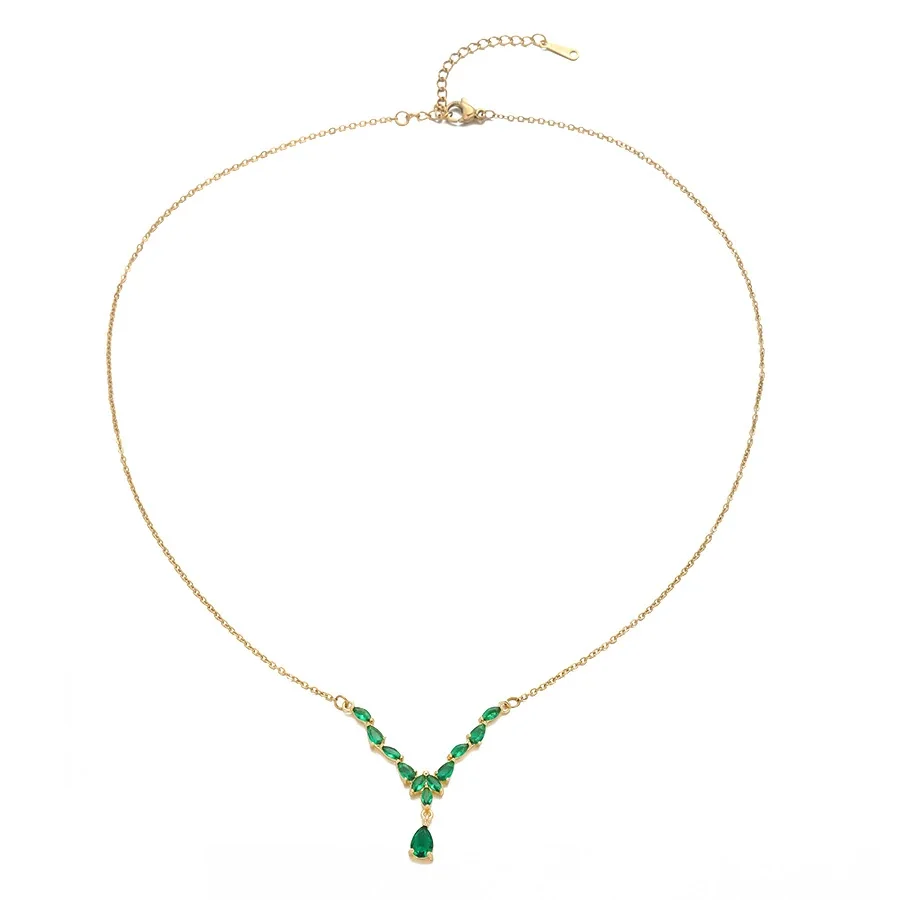
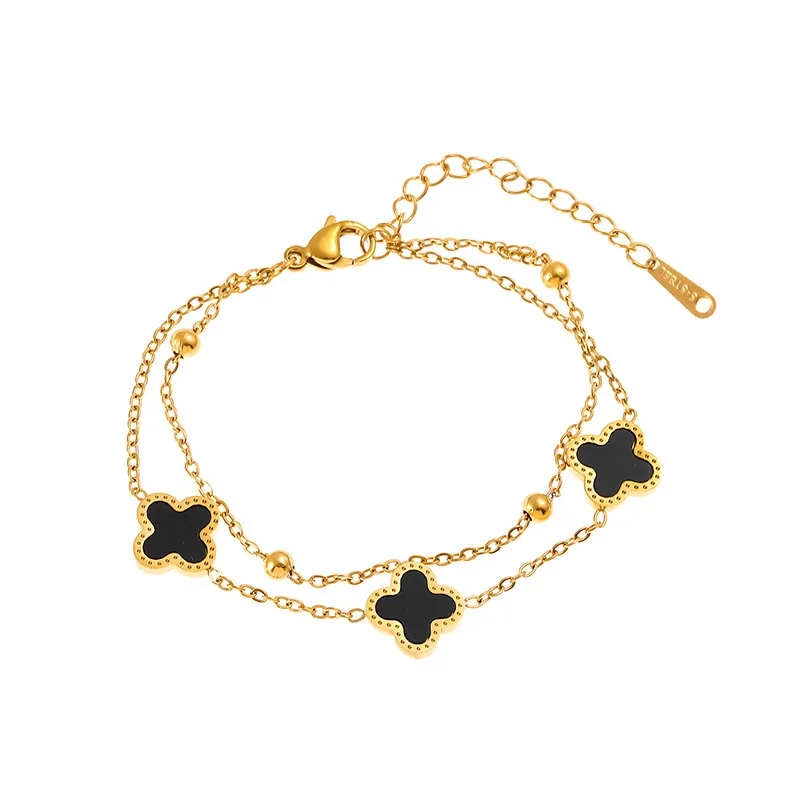
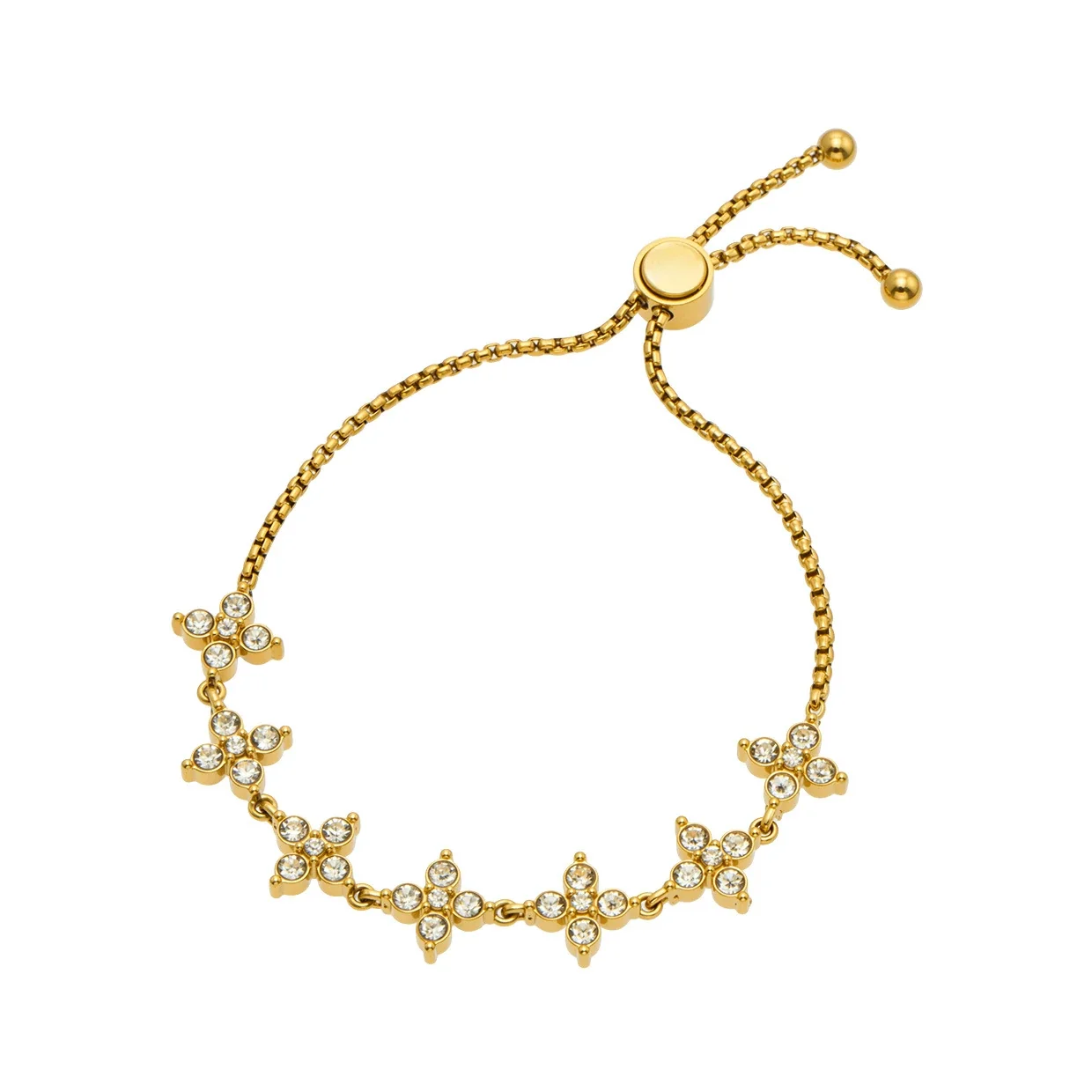
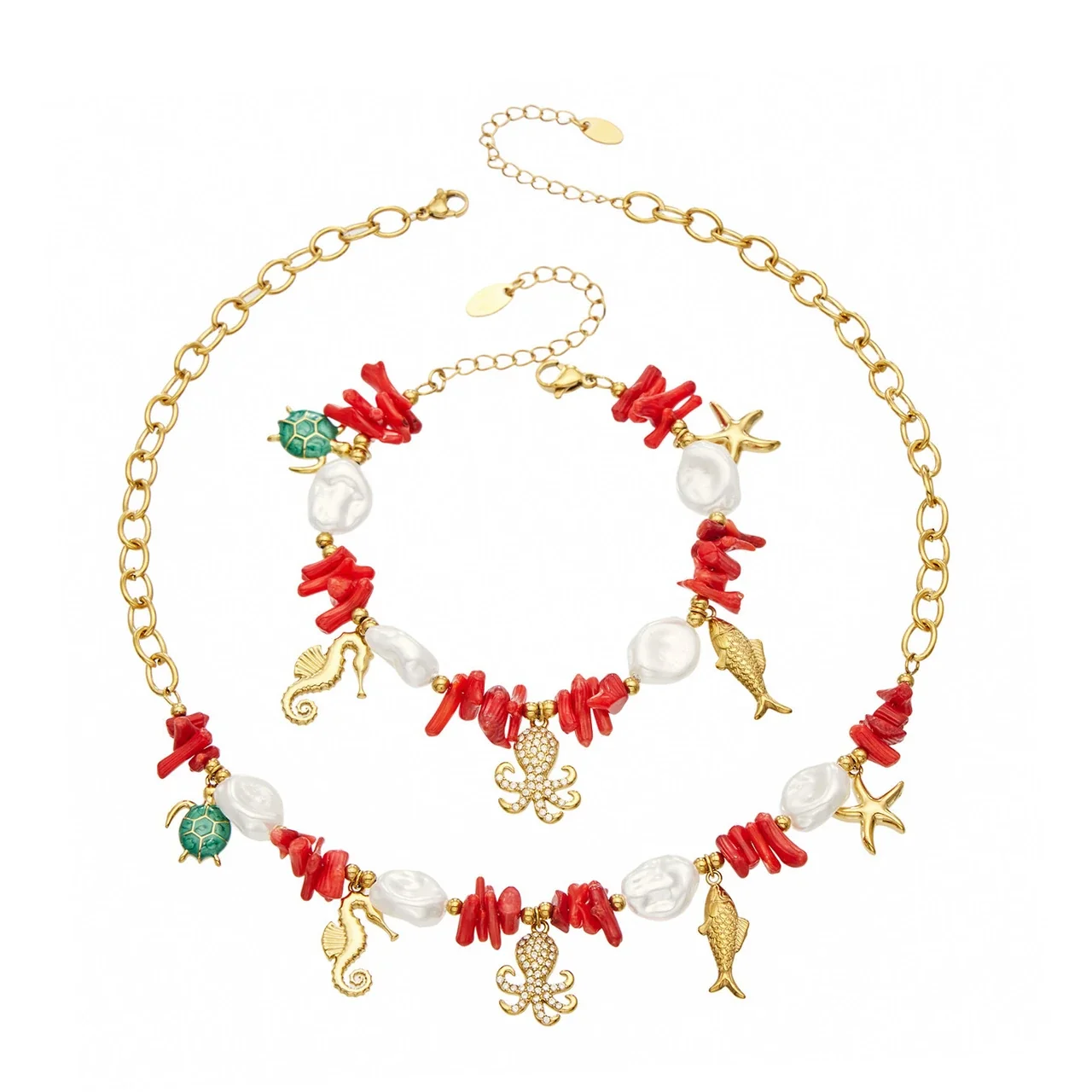
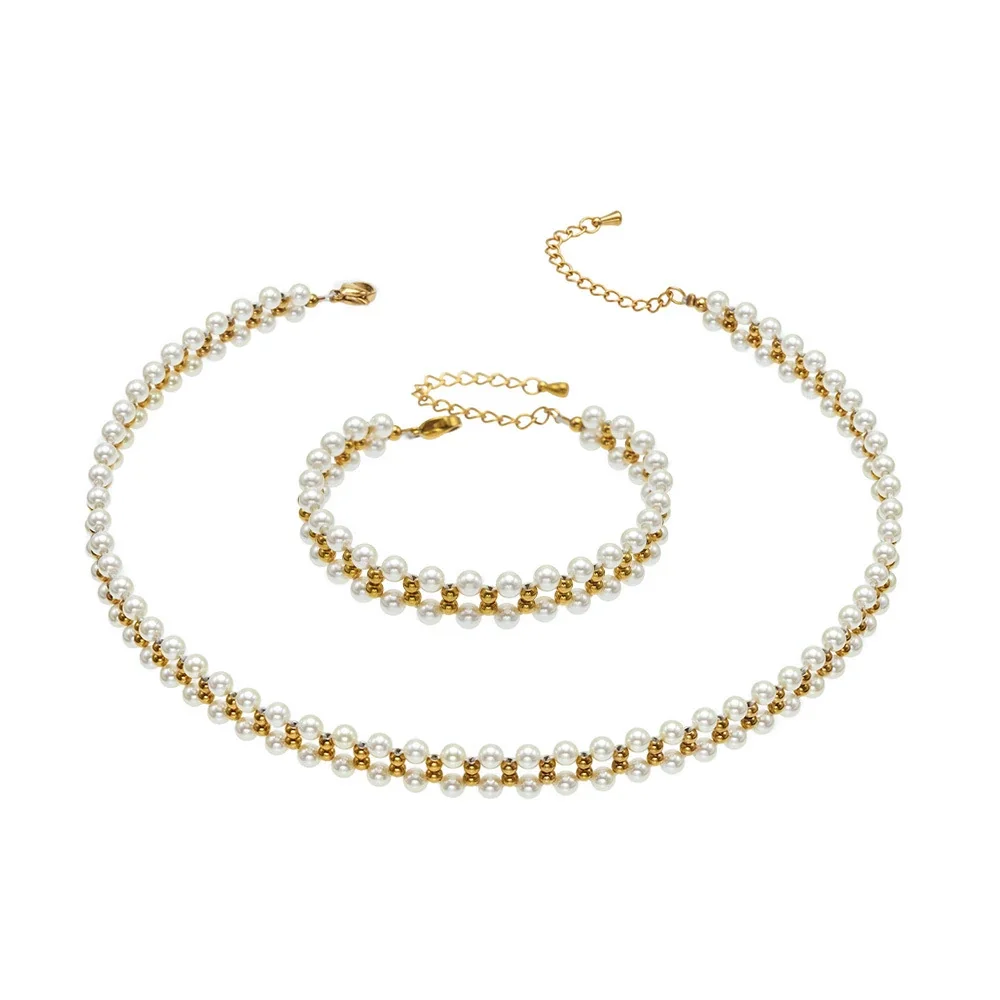
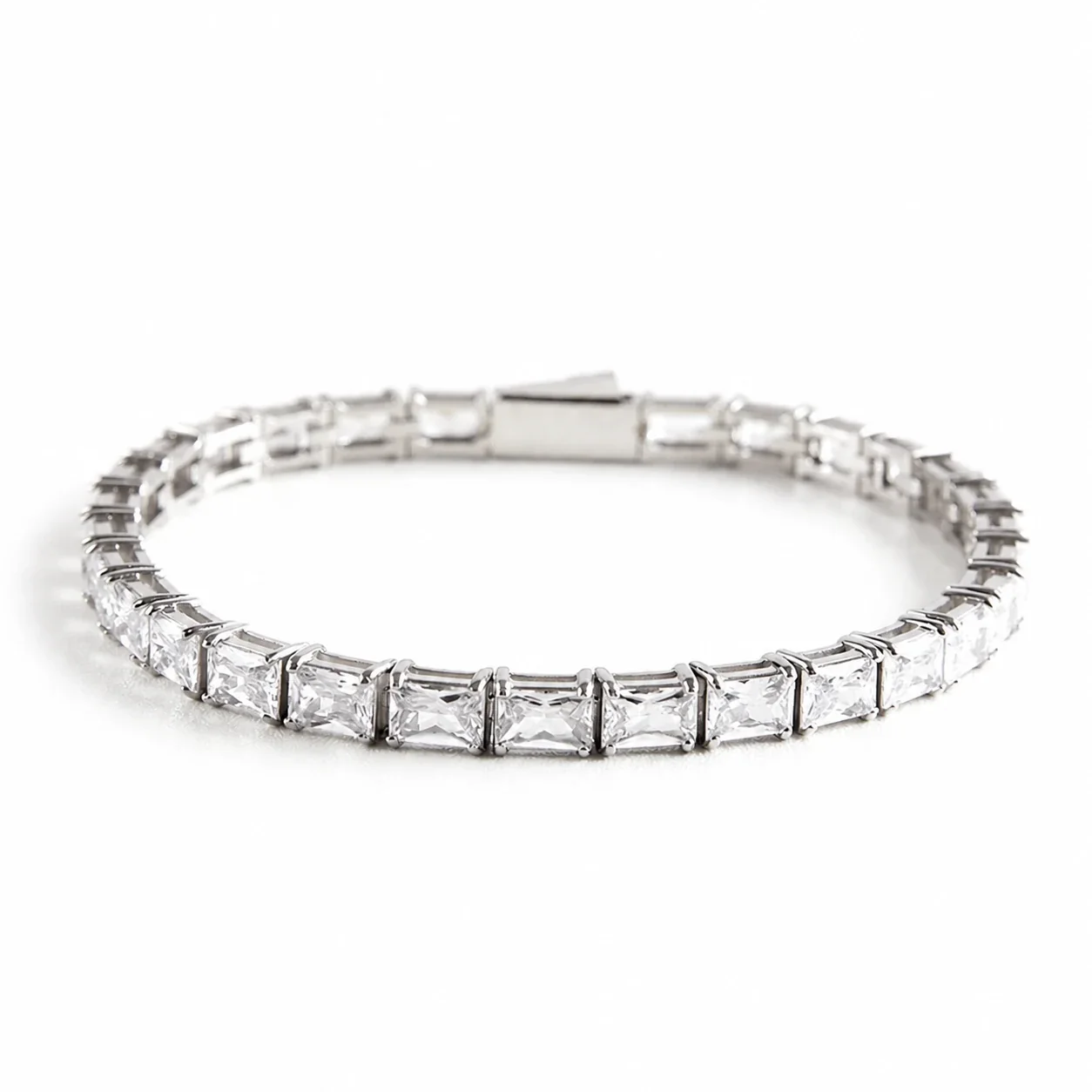
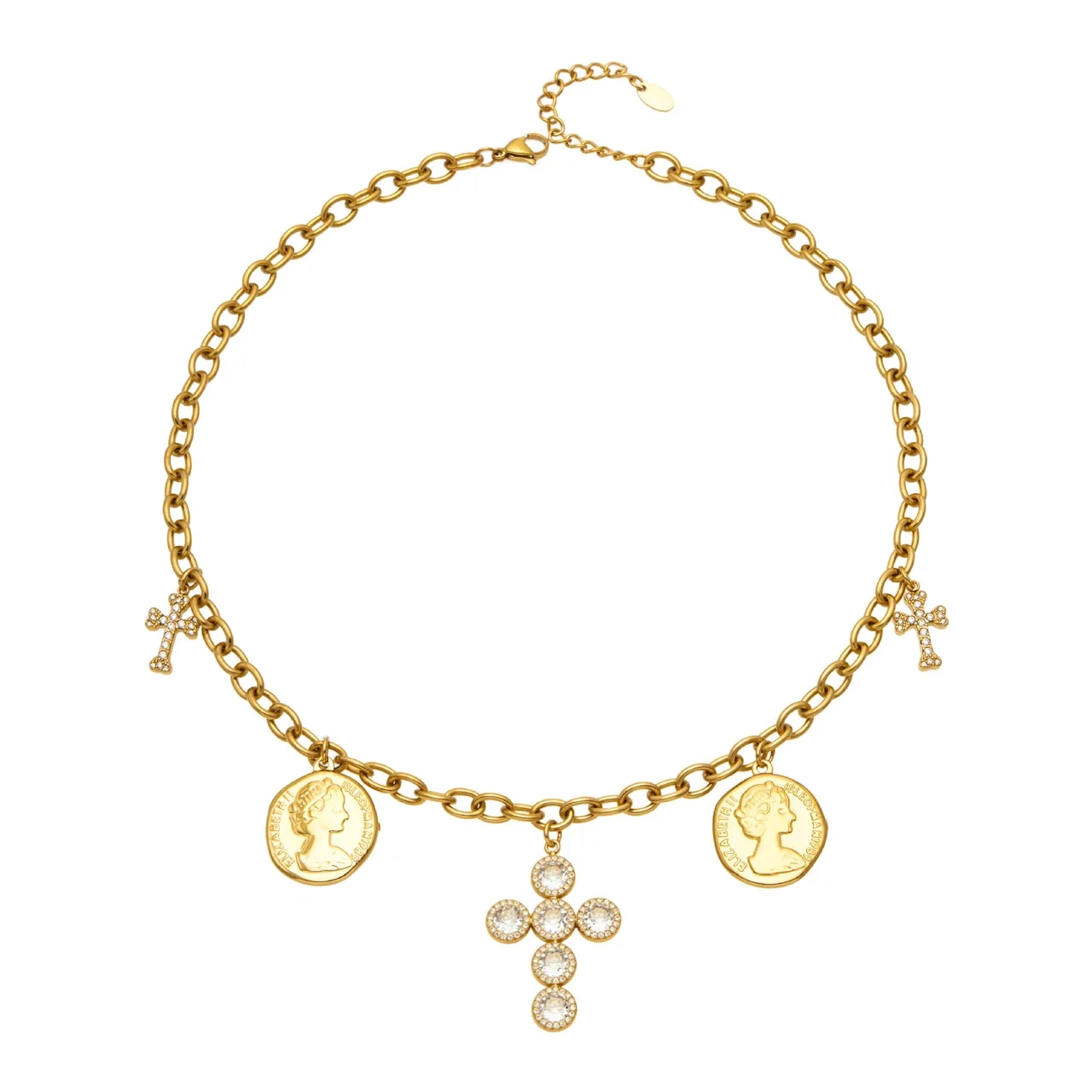
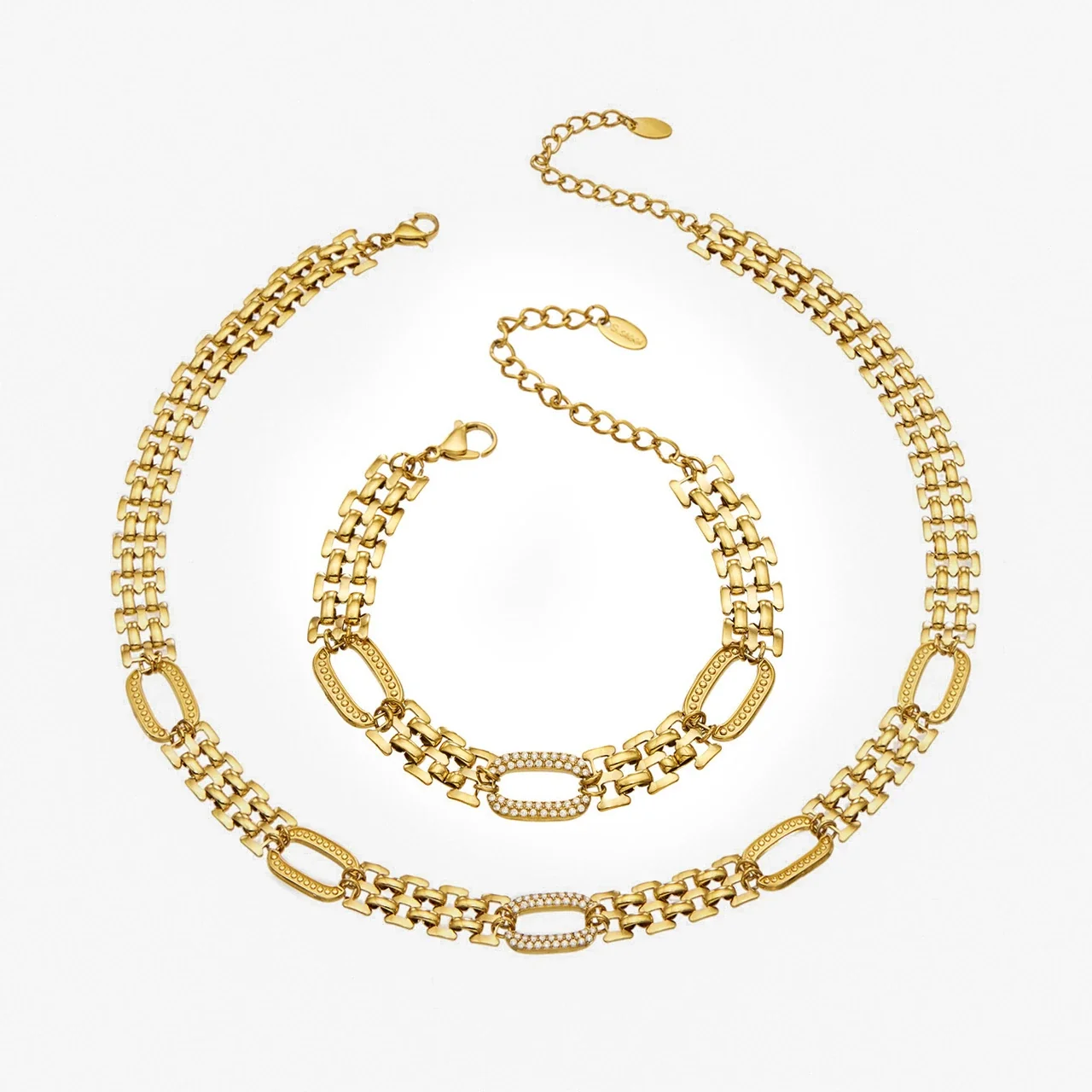
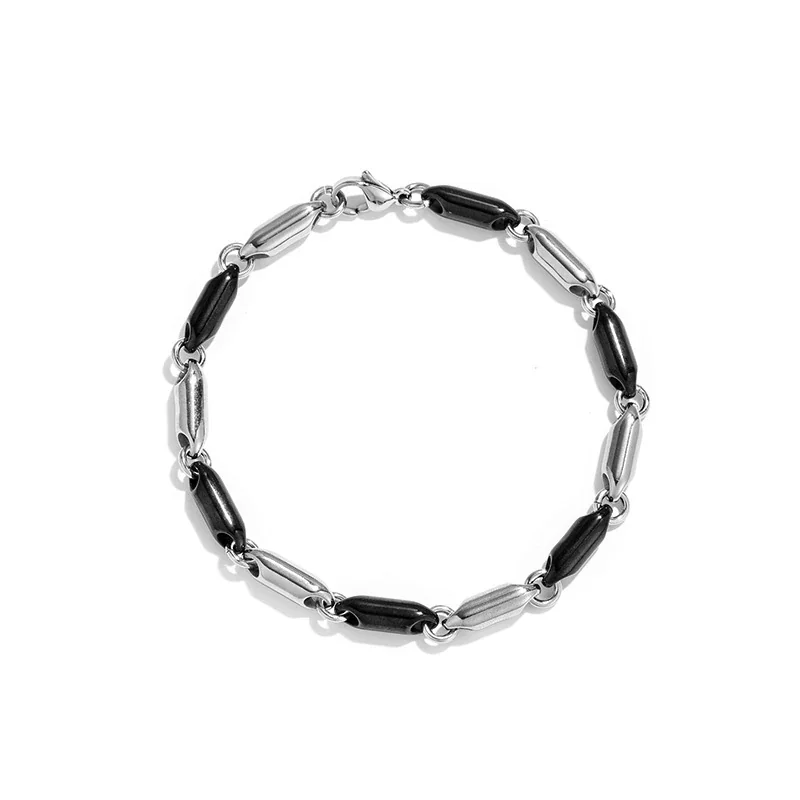
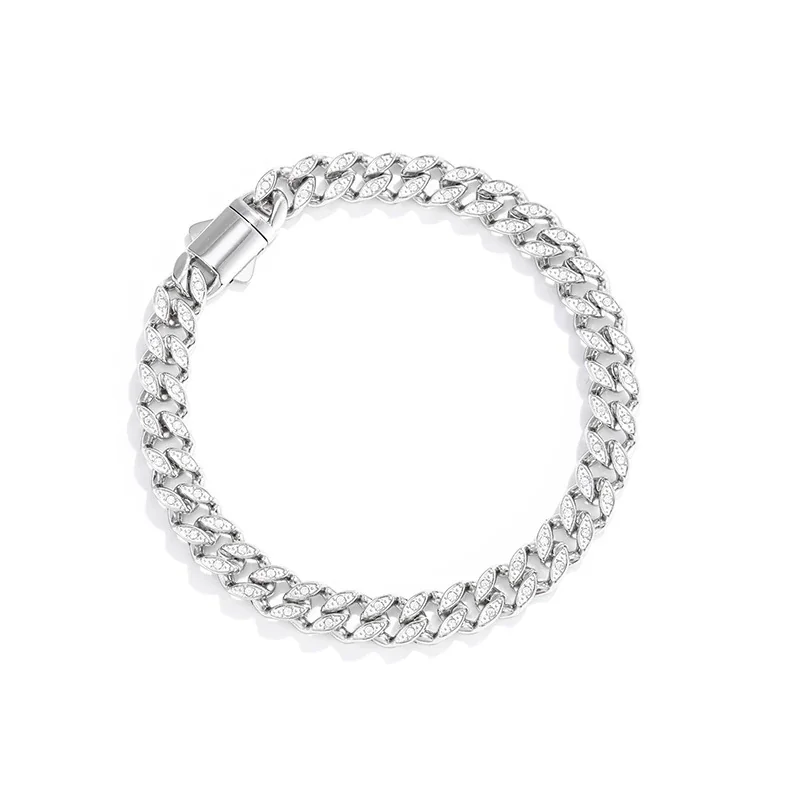
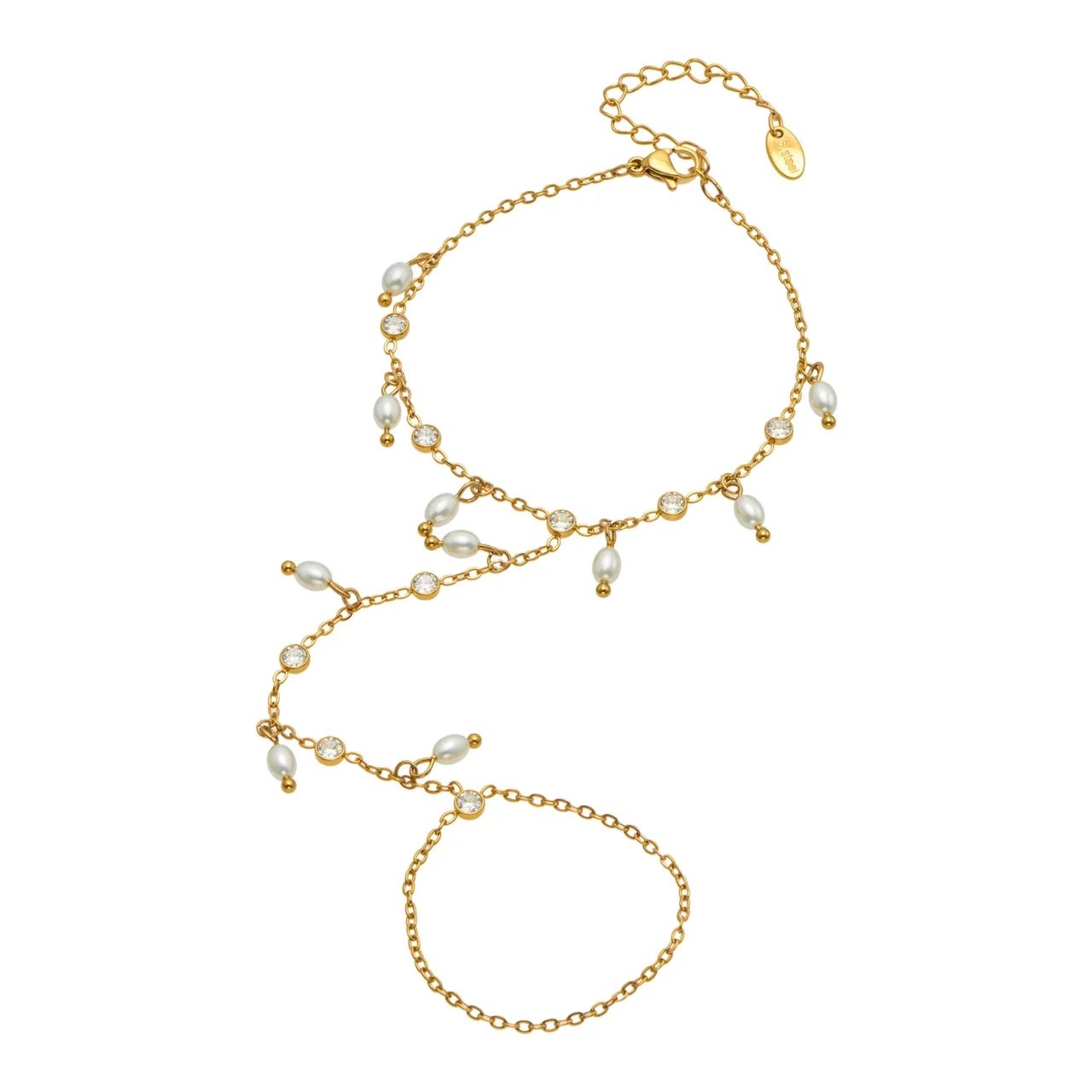
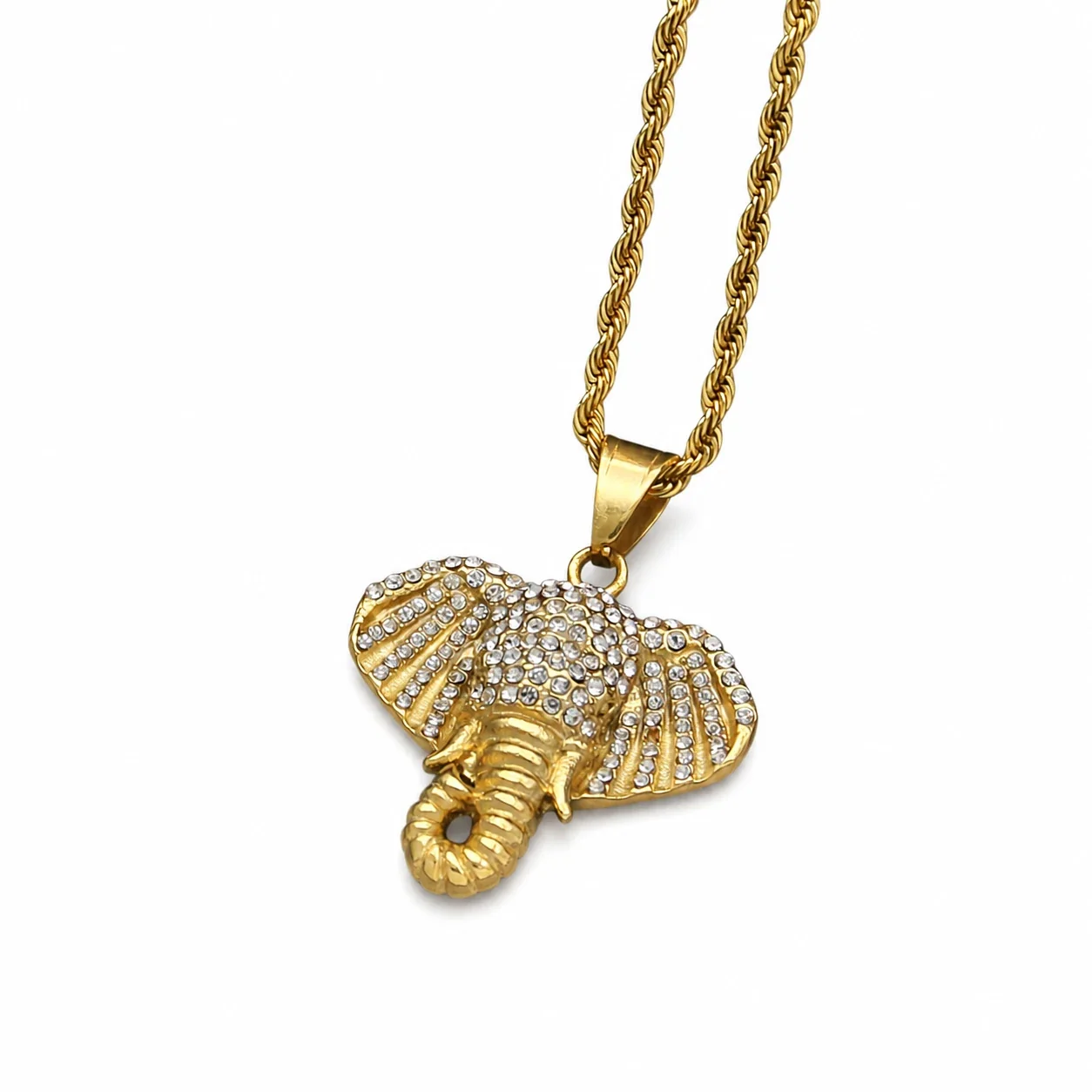
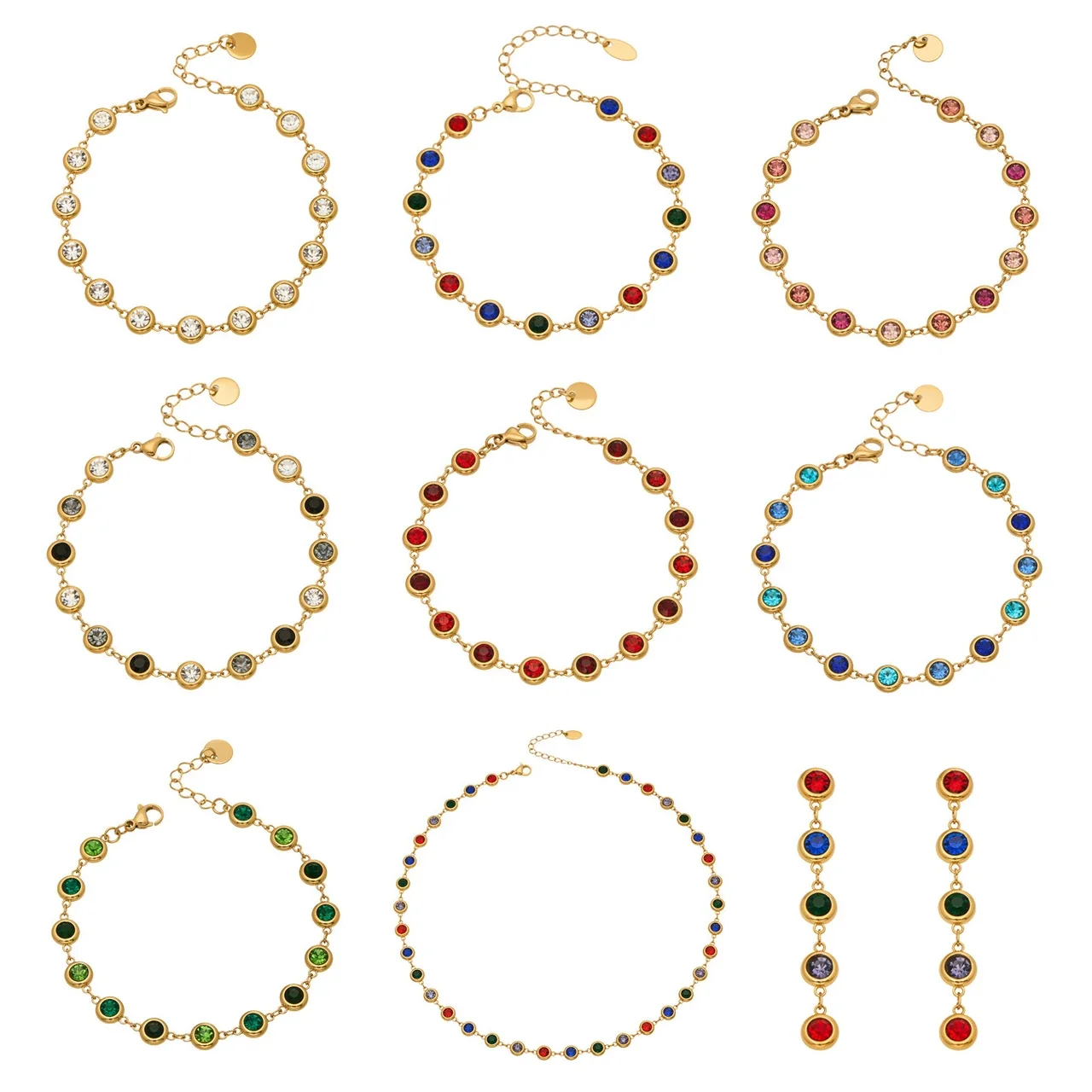
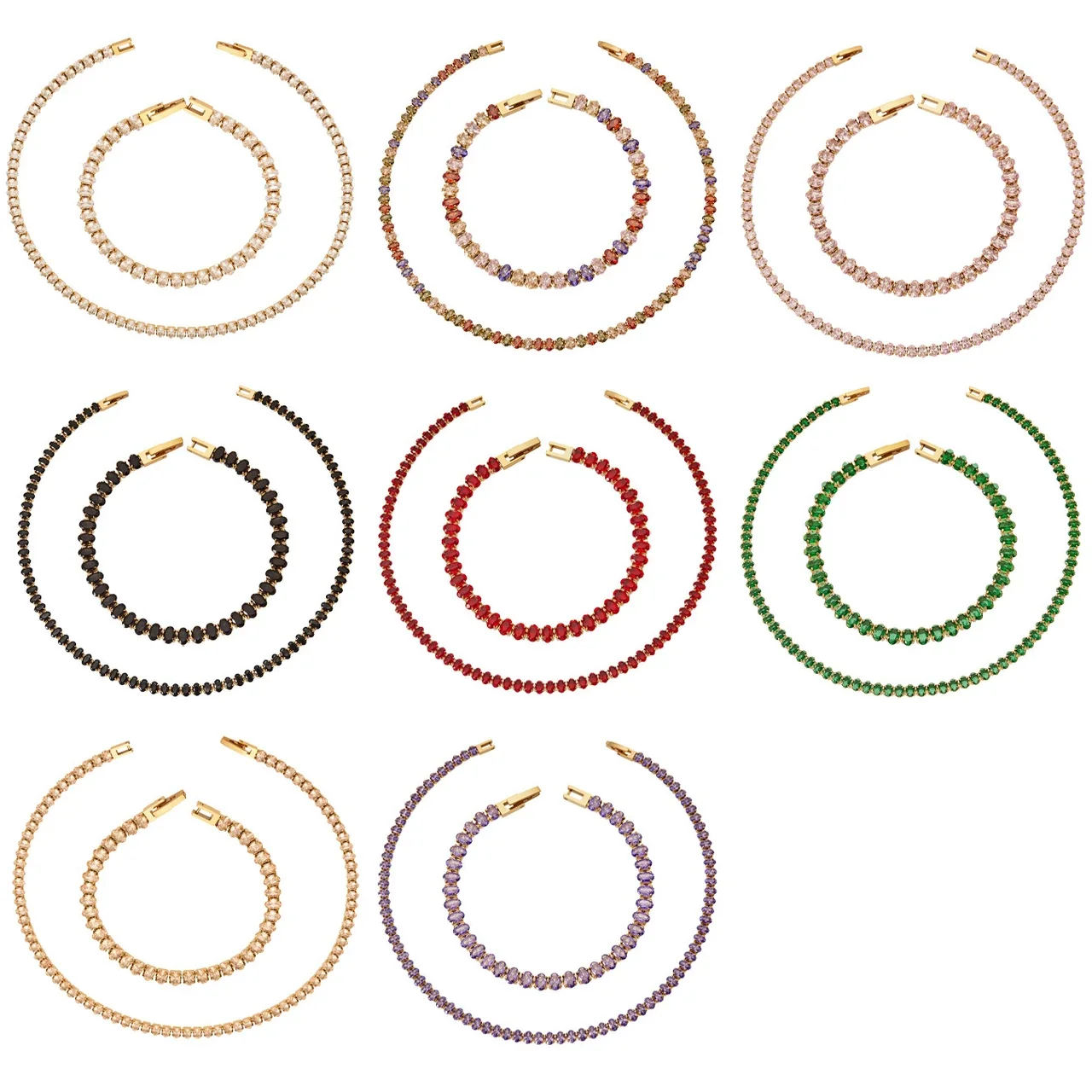
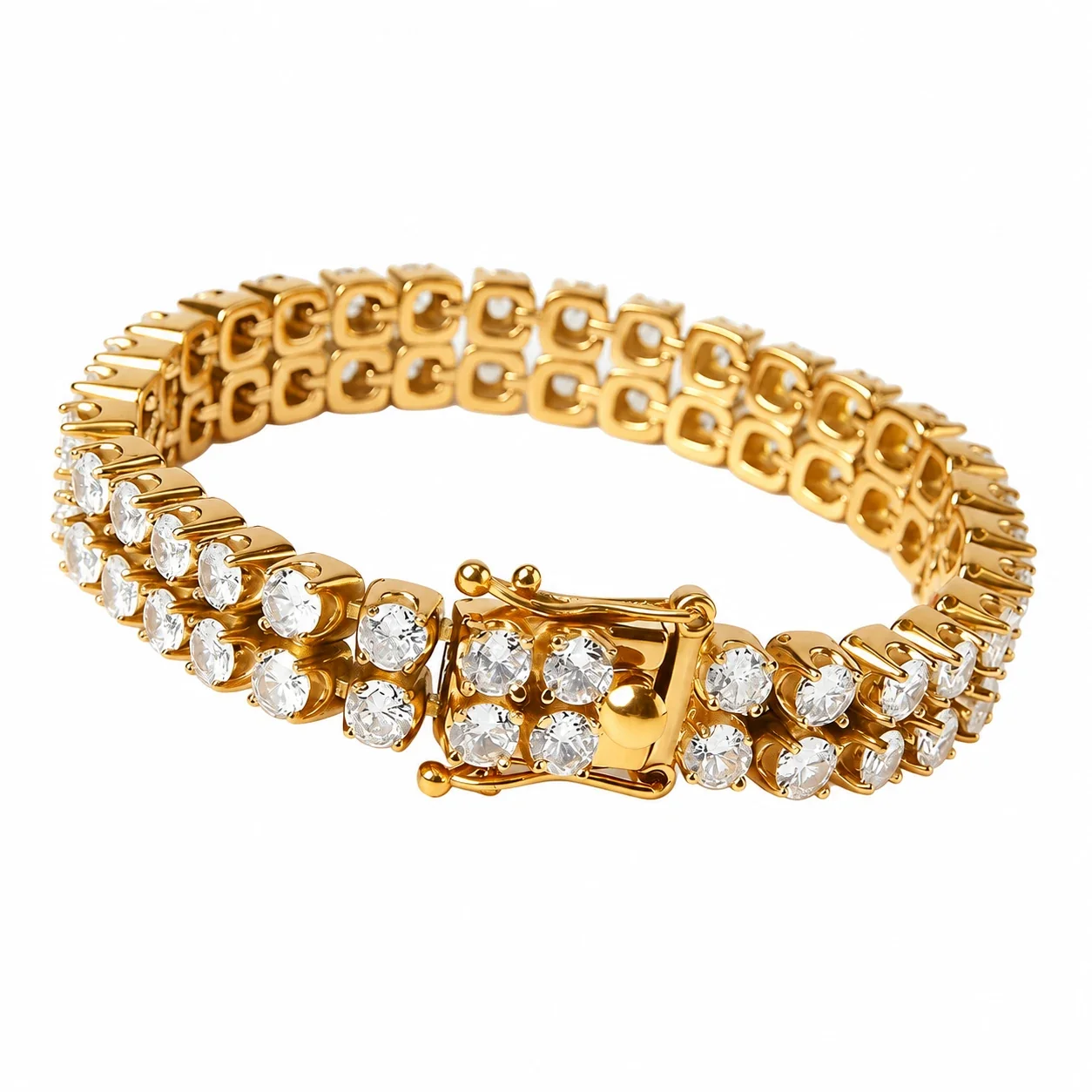
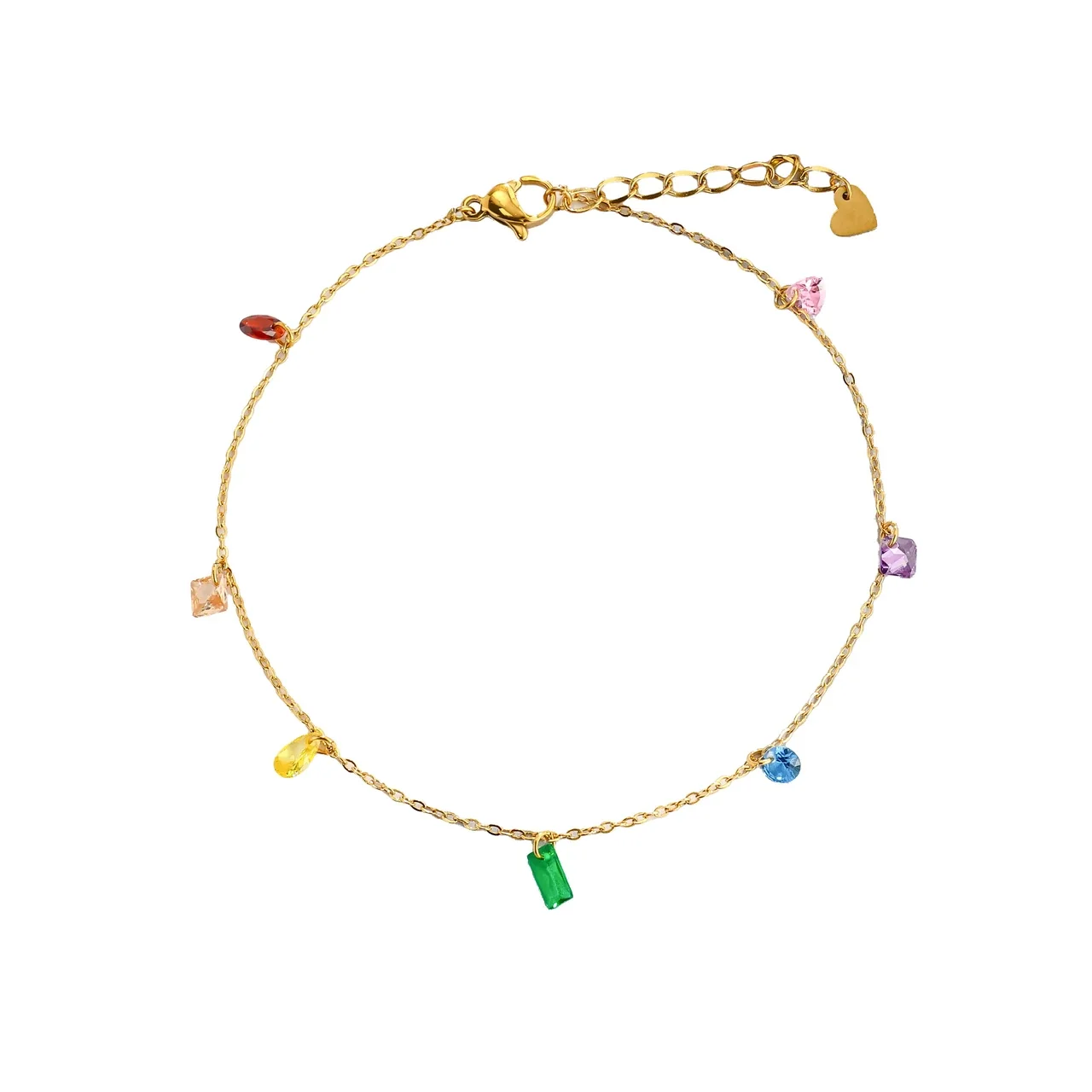
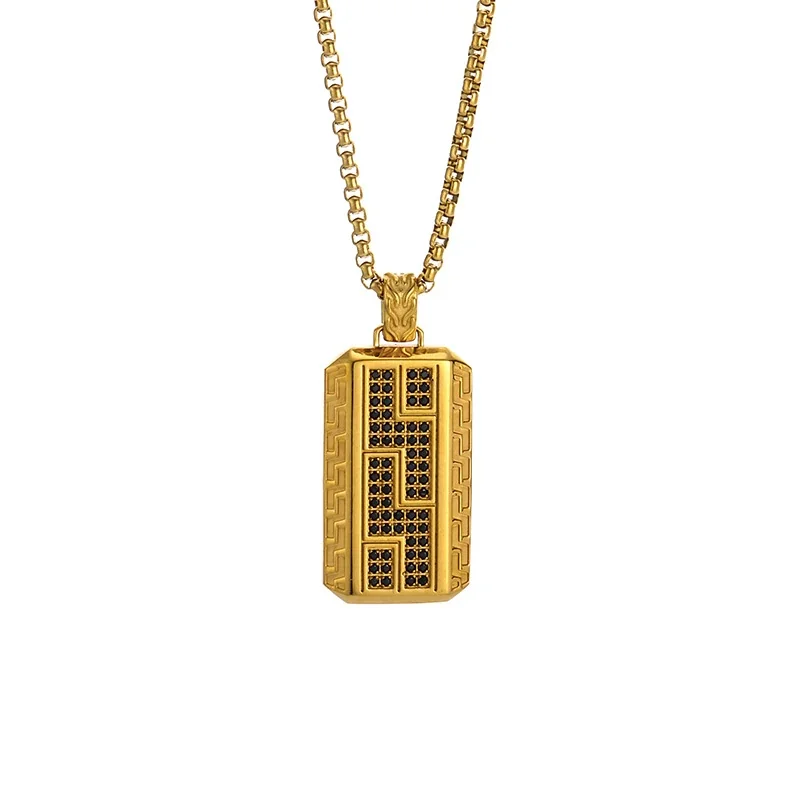
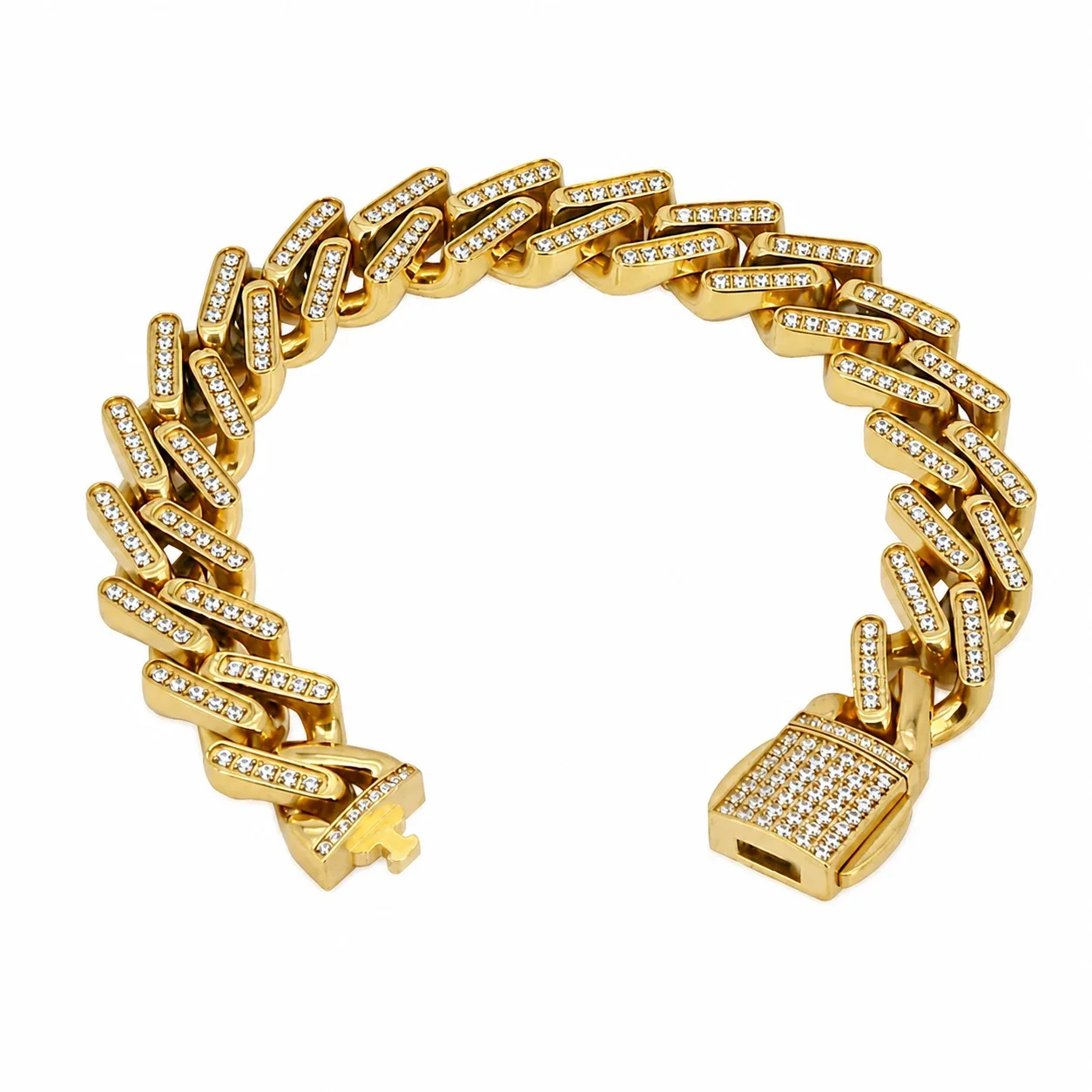
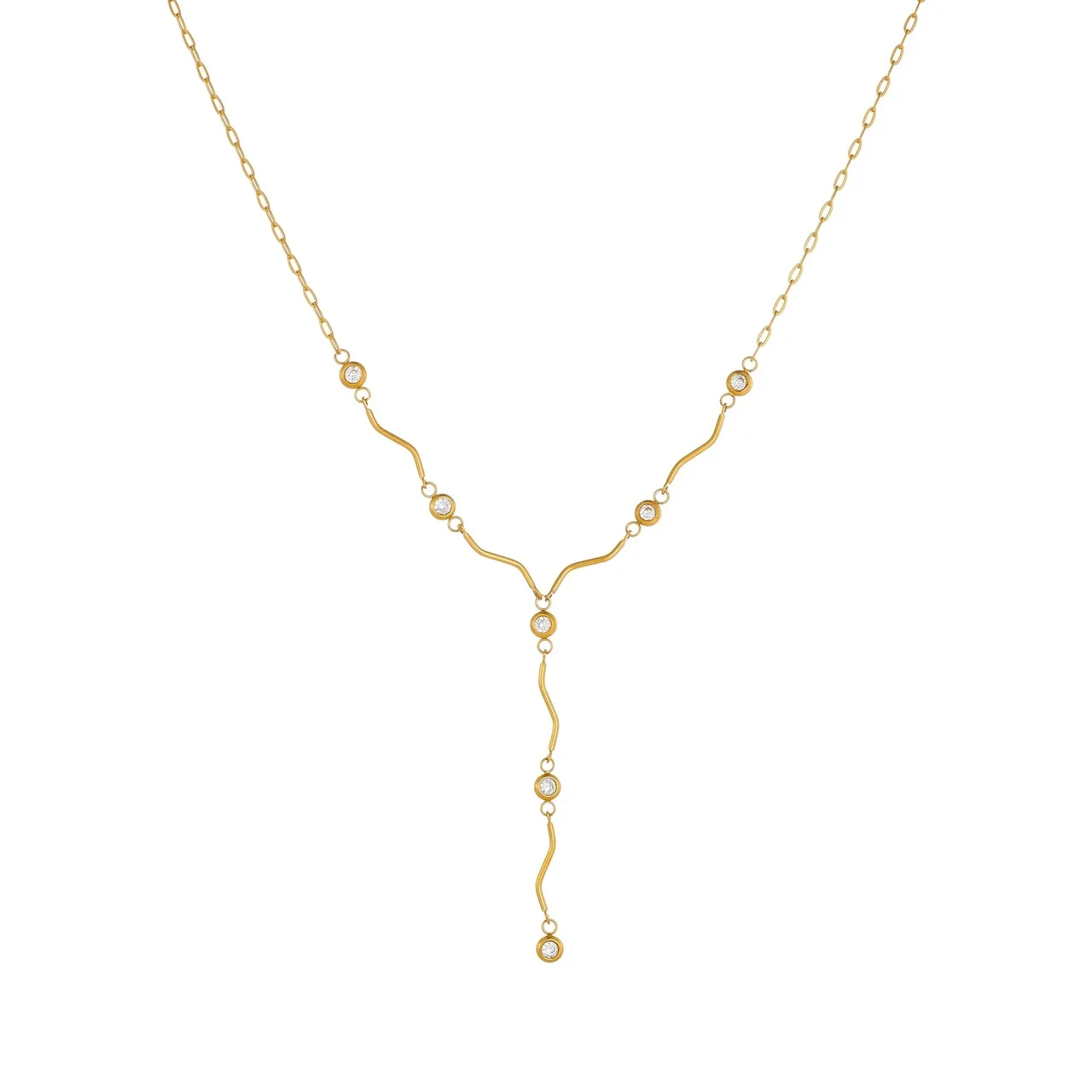
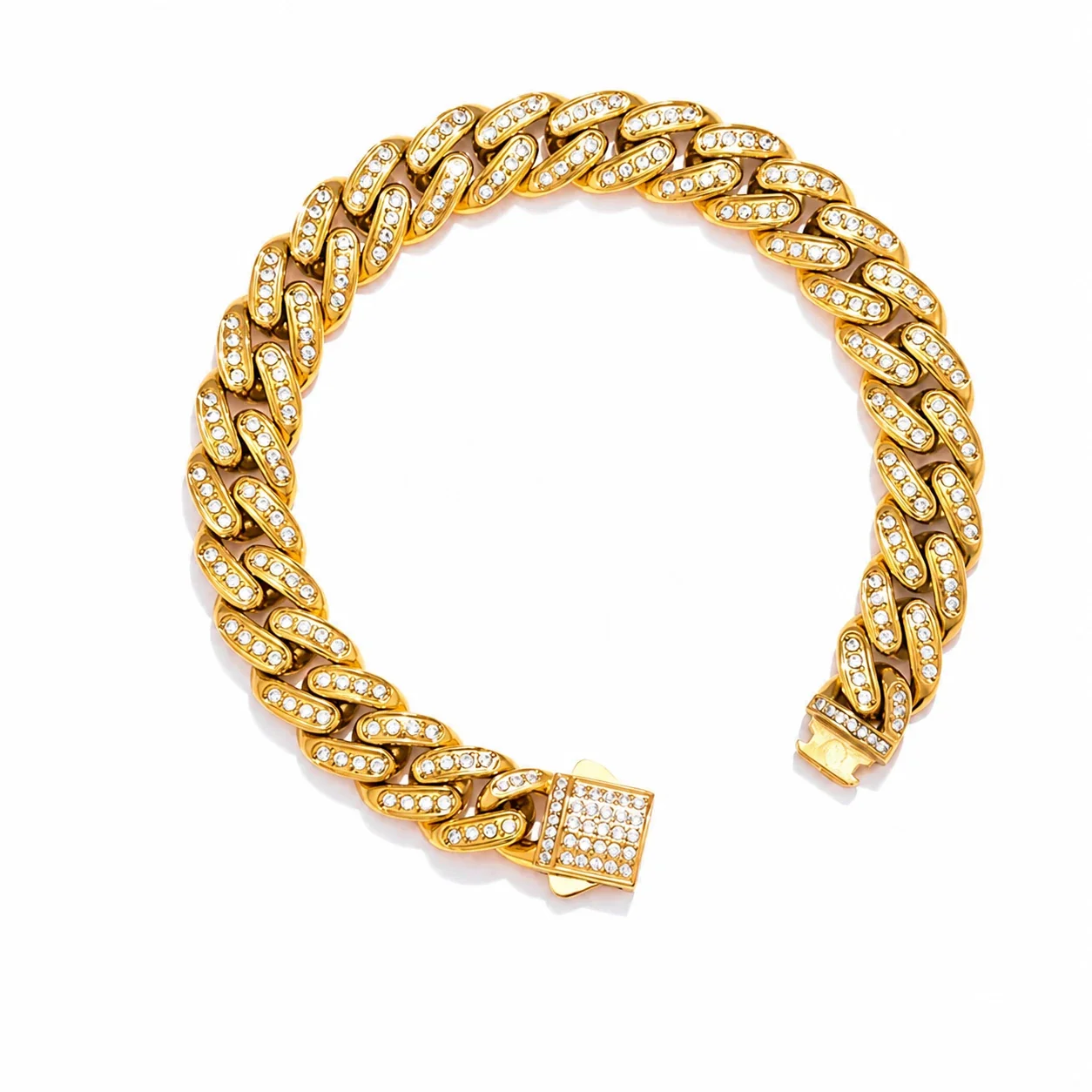
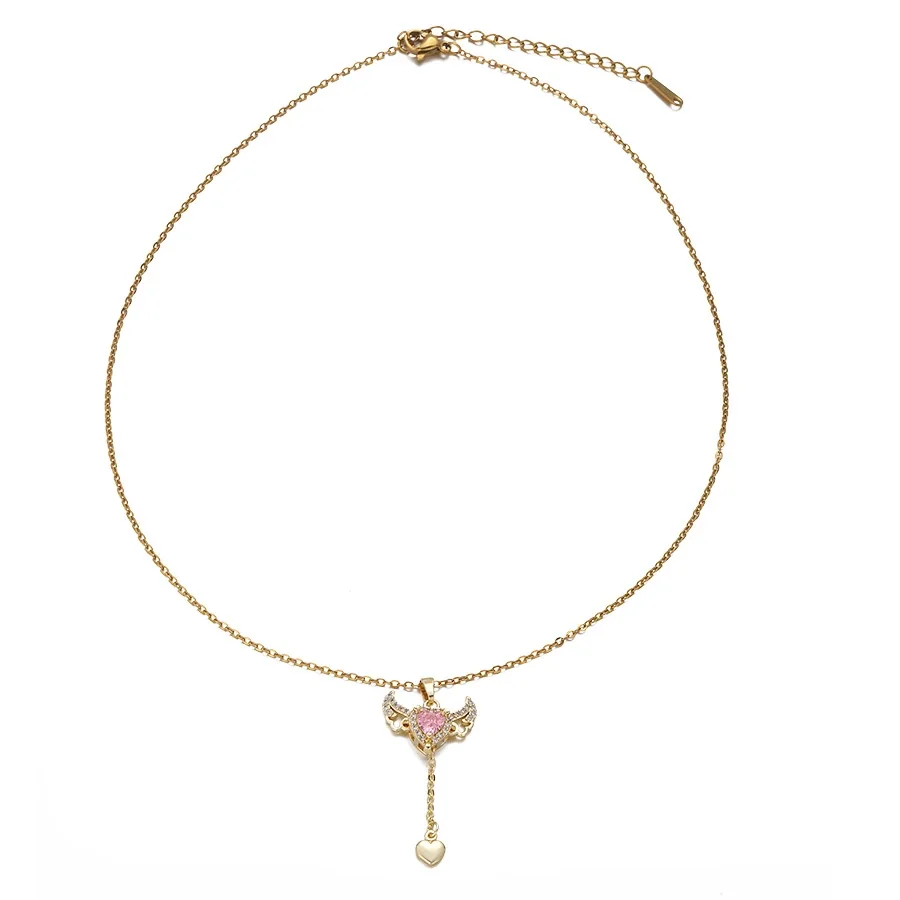
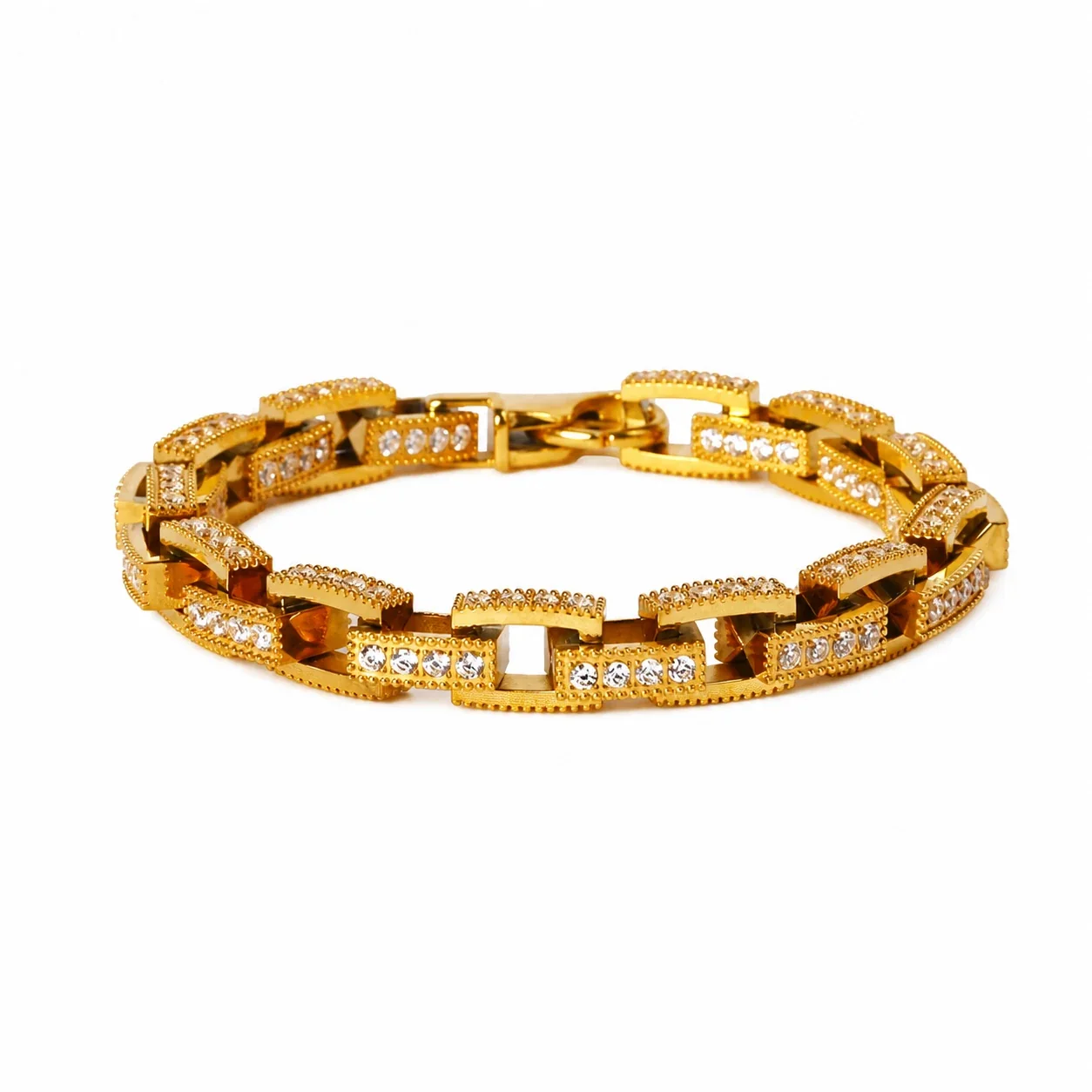
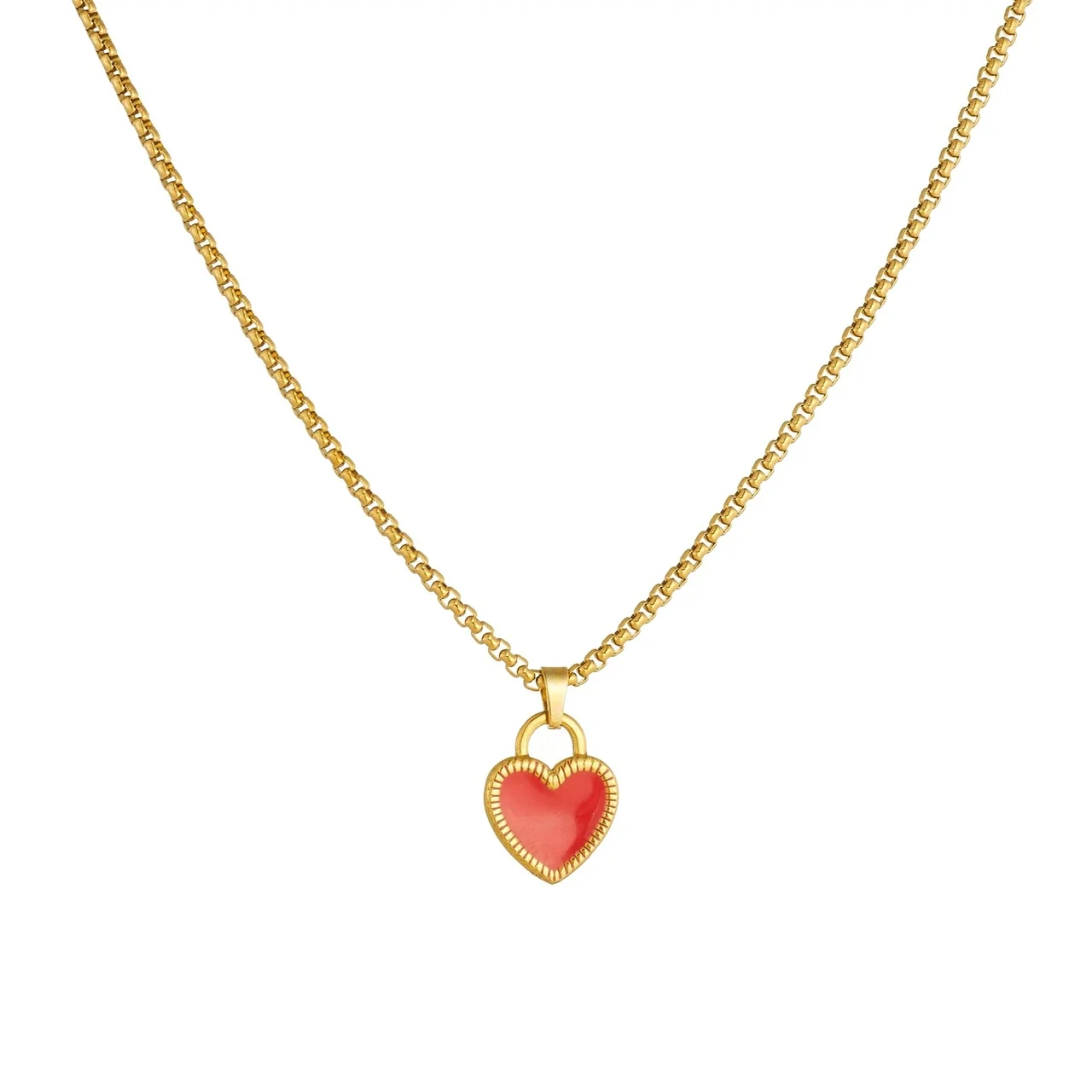
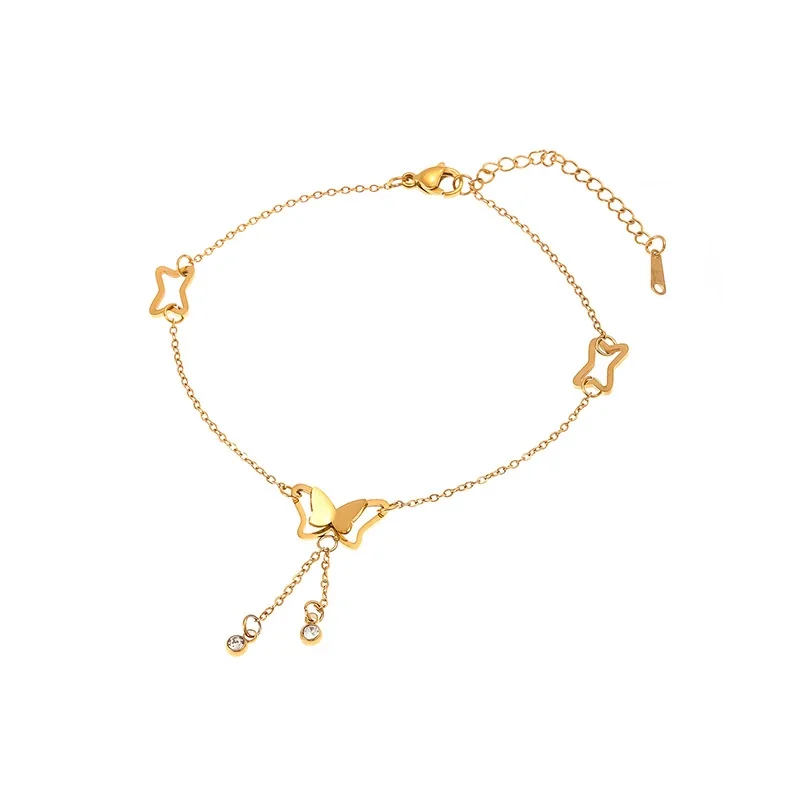
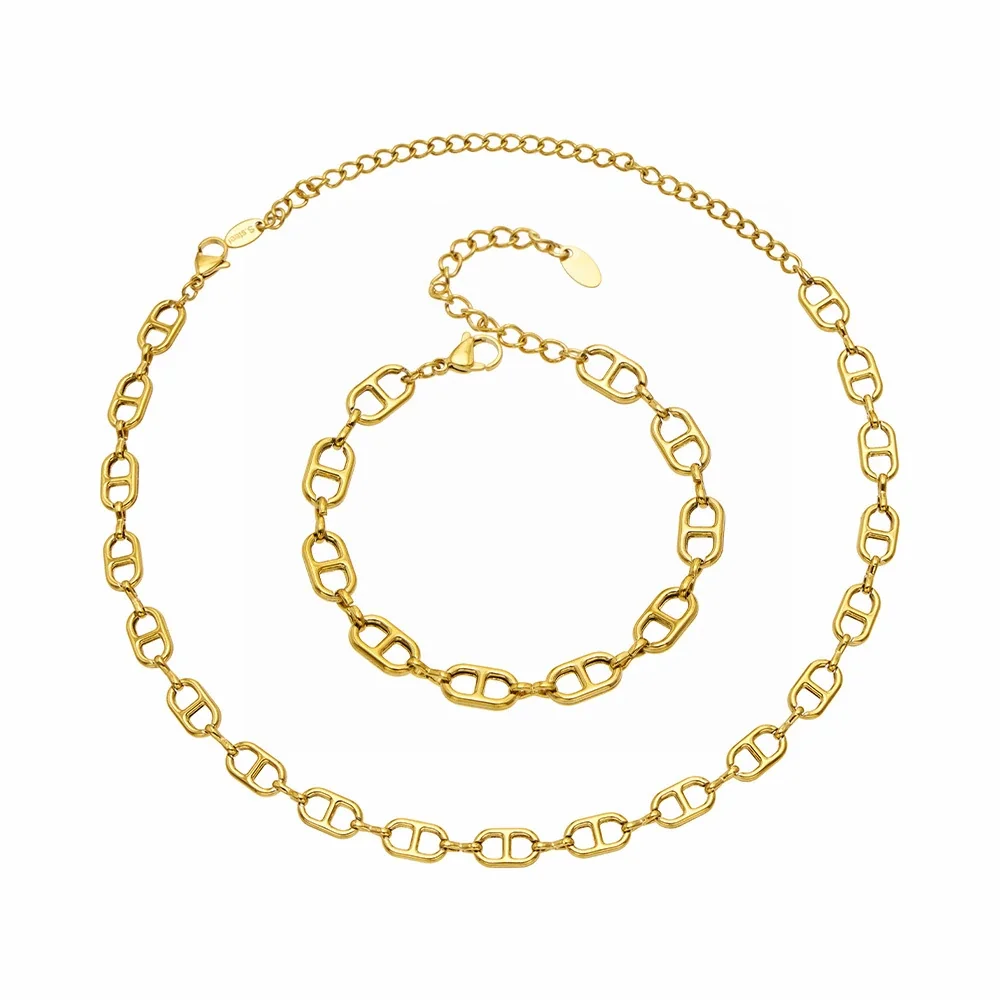
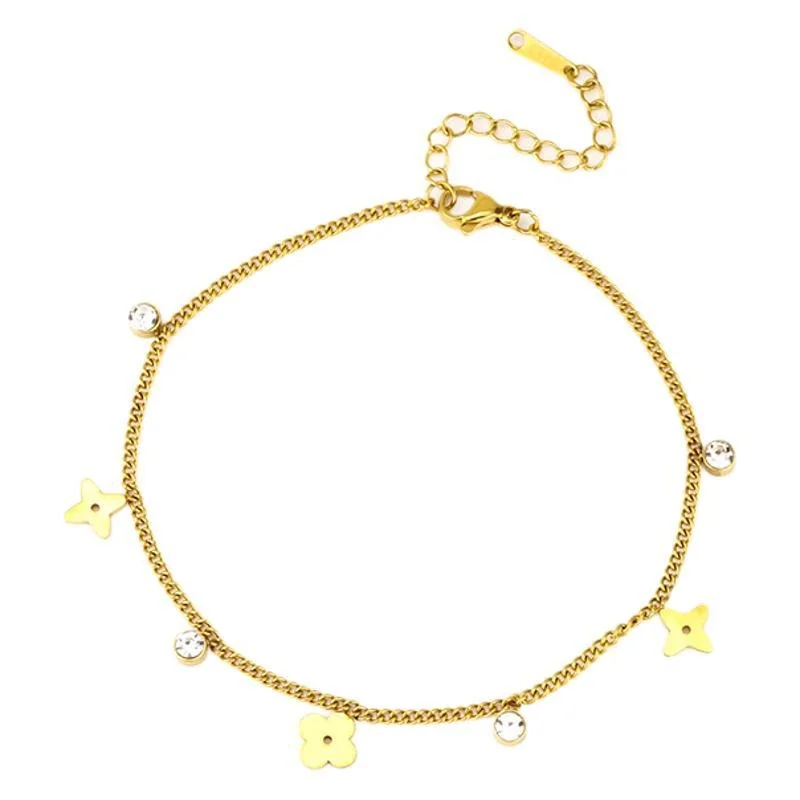
Yes. Chain is the product where 304 is most at home: it draws into wire and forms into links cleanly, polishes bright and plates evenly, so chain styles are listed as stainless steel with style and finish stated per page. Chain listings state the finish (gold-plated, PVD or silver-plated where the source supports it); most also give length, link width and weight, and the clasp is named where it is part of the design — lobster, box, shackle or toggle. The stock count is shown per variant. Chain bracelets have their own category, and the chains category holds the necklace chains. Ready stock is sold from 1 piece per style, so shortlisted chains can be added to a first parcel at the single-piece price.
Is there a minimum order?
No minimum and no account. Ready stock is sold from 1 piece per style at the public USD price, and no VAT number, EORI number or trade application is needed to order. Custom production is a separate matter: OEM and ODM runs in 316 or 316L start at 200 pieces per design.
How do the price steps work?
Every product page prints the single-piece price and the 3- and 10-piece prices. Per-piece prices step down at 3 pieces and again at 10 pieces; the exact price for every quantity is printed on each product page. They are price steps, not order requirements: ordering one or two pieces is always allowed at the single-piece price, and a reorder pays the price shown that day at the same steps as the first order.
How quickly does an order leave, and which countries can it ship to?
The 34 paid orders dispatched in the 60 days to 11 September 2026 left Guangzhou in a median of 3.9 days from payment, and 80% had left within 5.2 days. Policy is 3–6 working days for ready stock. Tracked lines reach 146 countries. Duty-paid lines to the EU, UK and US settle import duty and VAT before dispatch; measured with taxes included, a 0.5 kg parcel is about $7.88 to the US, $8.26 to the UK and $13.59–$14.82 across Spain, Germany, France and Italy.
Which currency are prices in, and what happens if a style runs out after I pay?
Prices are in USD on the product pages, in the freight quote, at checkout and on the invoice; any other currency shown on the site is a display conversion only. If a paid line cannot be supplied it is refunded in three parts rather than one: the goods, the share of freight it accounted for — found by requoting the remaining parcel, not split by value — and the matching share of the payment surcharge. The buyer can instead take the refund as store credit at 1.2 times the amount. Nothing is substituted without asking.
Can I have a 304 design produced in 316 or 316L instead?
Yes, as custom production. OEM and ODM runs start at 200 pieces per design in 316 or 316L, typically 10–15 working days after the specification is approved, and the grade is written into the quotation and the order. Ready stock is a separate route and stays at one piece; the two are never mixed in one quotation.