What is the difference between 316 and 316L stainless steel?
Both are austenitic chromium-nickel-molybdenum stainless steels with very similar corrosion resistance in normal wear. The difference is carbon content: 316 allows up to 0.08% carbon, while 316L is limited to 0.03%. The lower carbon in 316L reduces chromium-carbide precipitation when the metal is heated, so 316L holds up better against intergranular corrosion around welded joints. For most finished jewellery the practical difference is small, which is exactly why the label needs to be accurate rather than decorative.
Is every product on your site 316L stainless steel?
No. Ready stock is listed as 316 stainless steel where the source record for that SKU states the grade, or simply as stainless steel where it carries no grade. 316L is produced to order under a written specification and is not sold from stock. The grade shown on each product page is the authority for that SKU.
Why do your products say 316 rather than 316L?
Because that is what the record for each SKU supports. Supplier listings often print 316L without evidence behind it, so ready stock is published as 316 or as stainless steel, never as 316L. Where a programme needs 316L, we produce it to order and the grade goes into the quotation and the order.
Can I order a single piece to check the material before buying in bulk?
Yes. Eligible ready-stock products can be ordered from 1 piece, with no minimum. Per-piece prices step down at 3 and 10 pieces, and custom programme minimums are quoted from the brief.
Is 316L stainless steel jewellery hypoallergenic or nickel-free?
No — both 316 and 316L contain nickel, so neither is nickel-free, and we make no hypoallergenic or nickel-release claim for the catalogue. If your market requires a nickel-release result or another test, tell us the standard and the SKU so testing can be scoped and quoted for that specific programme.
Do you supply 316L jewellery for OEM and ODM programmes?
Yes. OEM/ODM programmes start from a written brief and a sample. Material grade — 316 or 316L — finish, packaging, testing requirements, lead time and minimums are confirmed for the programme before bulk production begins.
What is the minimum for a 316L production run?
OEM/ODM runs in 316L start at 50 pieces per design, produced with partner factories in the Guangdong jewellery cluster; 316 runs start at 50 pieces. Production typically takes 10–15 working days after the specification is approved. Returning customers can go as low as 30 pieces per design.
How do I find 316 and 316L pieces on the site?
Ready stock listed as 316 sits in the 316 Stainless Steel menu, so the grade is visible before you open a product page. 316L is not a ready-stock category: it is produced to order, so start from the OEM/ODM page and send the brief.
Is 316L available quickly?
316L is made to order: production typically takes 10–15 working days after the specification is approved. Ready stock listed as 316 ships from 1 piece and dispatches from Guangzhou within 3–5 working days with tracking.
Who supplies 316L stainless steel jewelry wholesale to small brands?
Once a brand outgrows marketplace stalls, the usual route is a supplier-direct range on published terms. Jewena supplies 316L as OEM/ODM production from 50 pieces per design, and ready stock listed as 316 or stainless steel from 1 piece — the grade shown on each product page is the grade supplied. A brand can buy a listed style for a few dollars before committing to a production run.
Do you also stock 304 stainless steel jewelry?
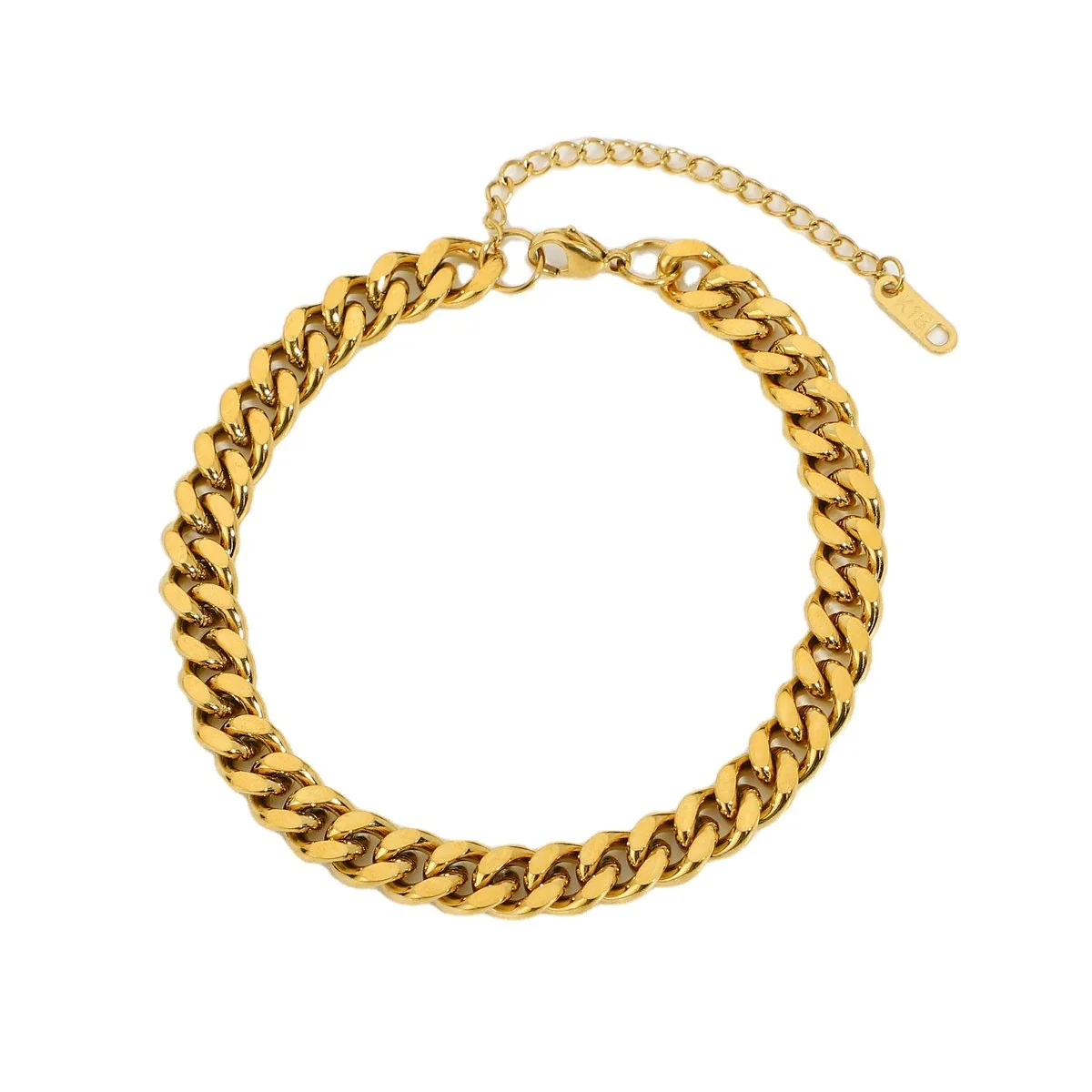
Yes. Both common jewelry grades are represented in the ready stock: pieces listed without a grade number are treated as 304; grades are never guessed upward, so a listing says 316 only where the record for that SKU states it. For everyday fashion jewelry 304 is generally sufficient, and the 304 range, chains included, is gathered at https://jewena.com/wholesale/304-stainless-steel-jewelry and ships from 1 piece with price steps at 3 and 10 pieces.
Is 316L surgical stainless steel the same as 316L stainless steel?
Yes. 316L surgical stainless steel is a trade name for the same low-carbon 316 alloy — not a separate grade, and not a medical certification. The phrase became common because the alloy family is used for instruments and implants, but a jewellery listing carrying it proves nothing on its own. We do not put the phrase on ready stock: stock is listed as 316 where the source record for that SKU states the grade, or simply as stainless steel where it carries none. Where a programme needs 316L, we produce it to order and the grade is written into the quotation and the order.
Can you produce a 316L necklace to our own design?
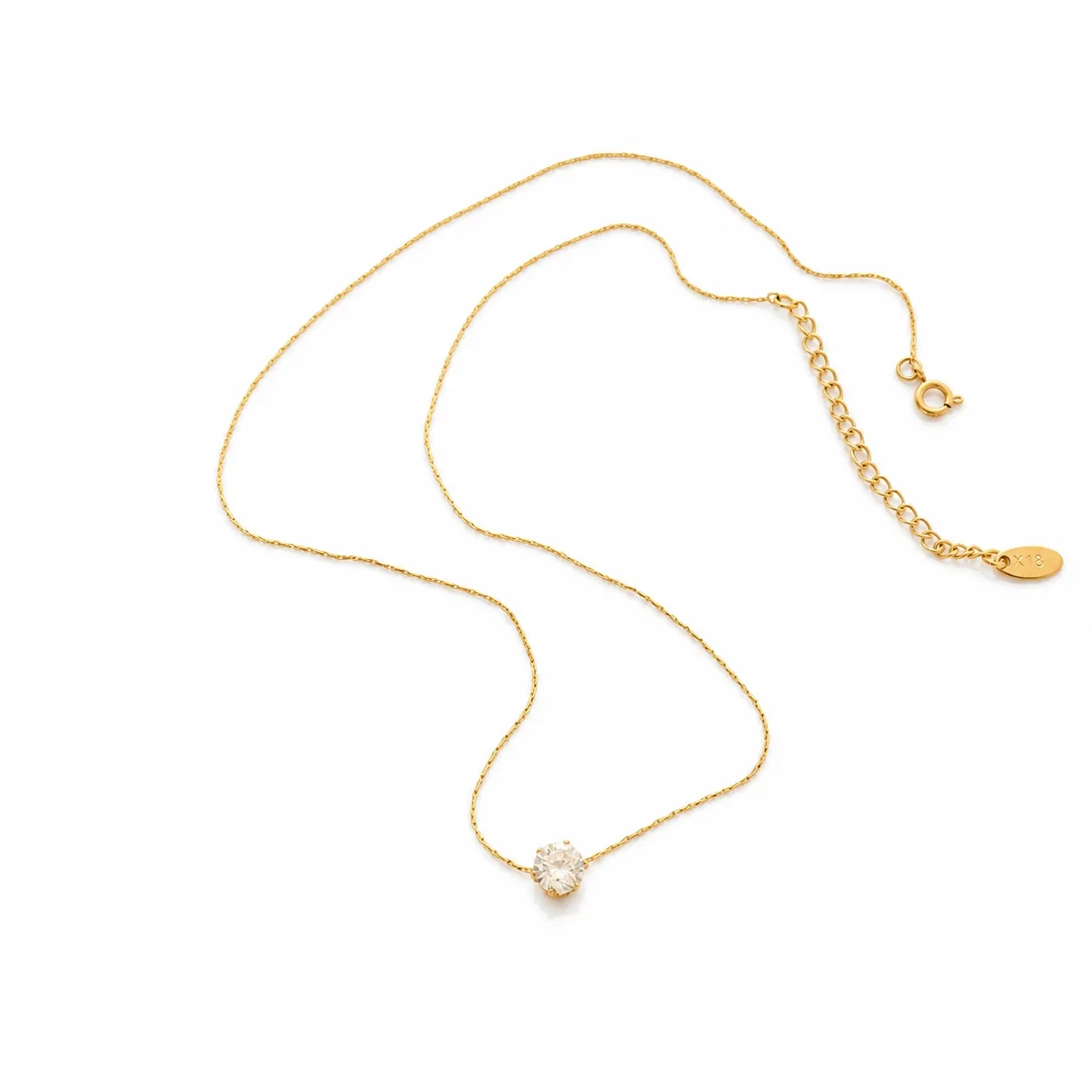
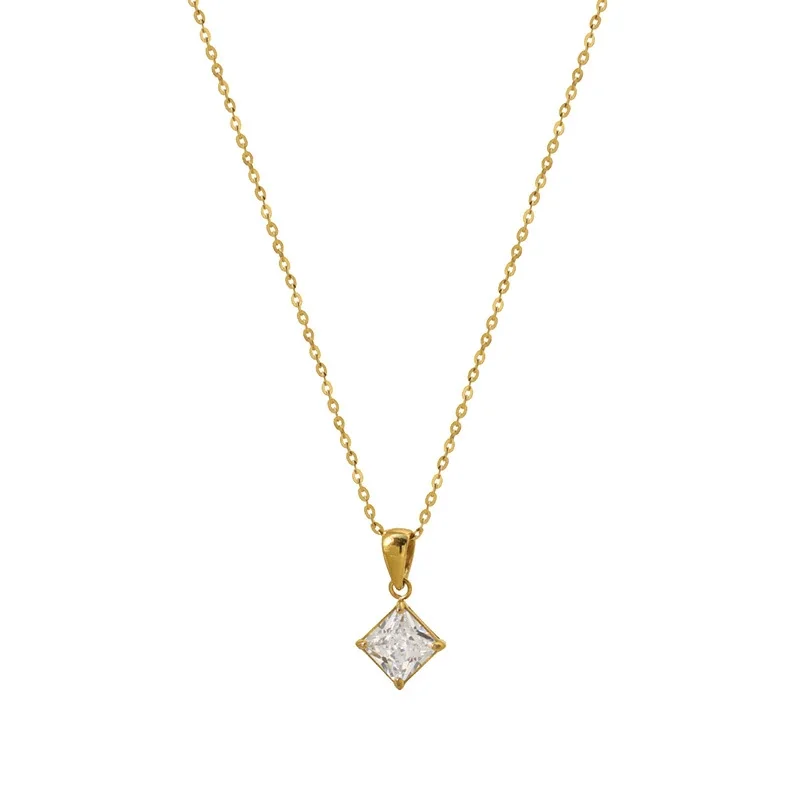
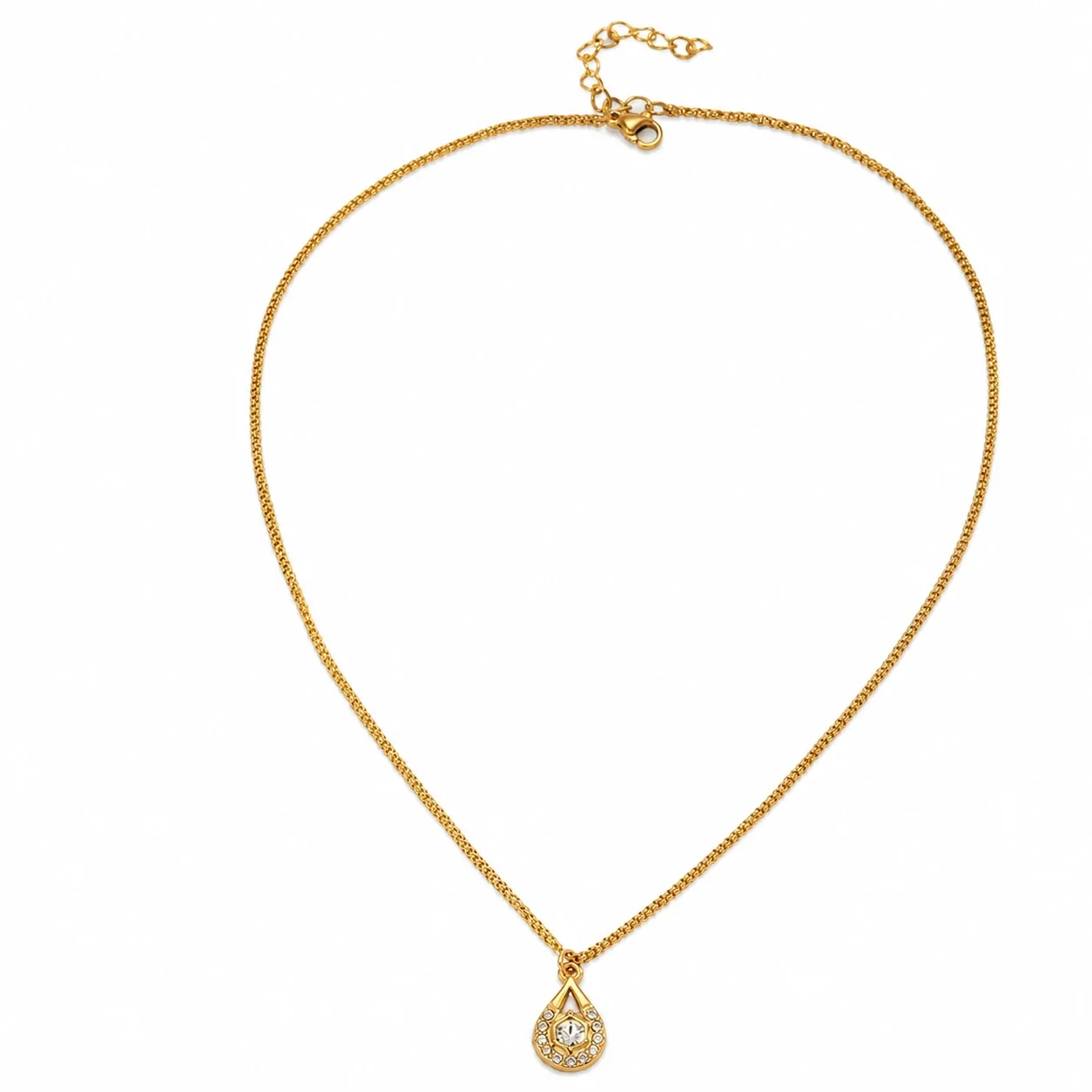
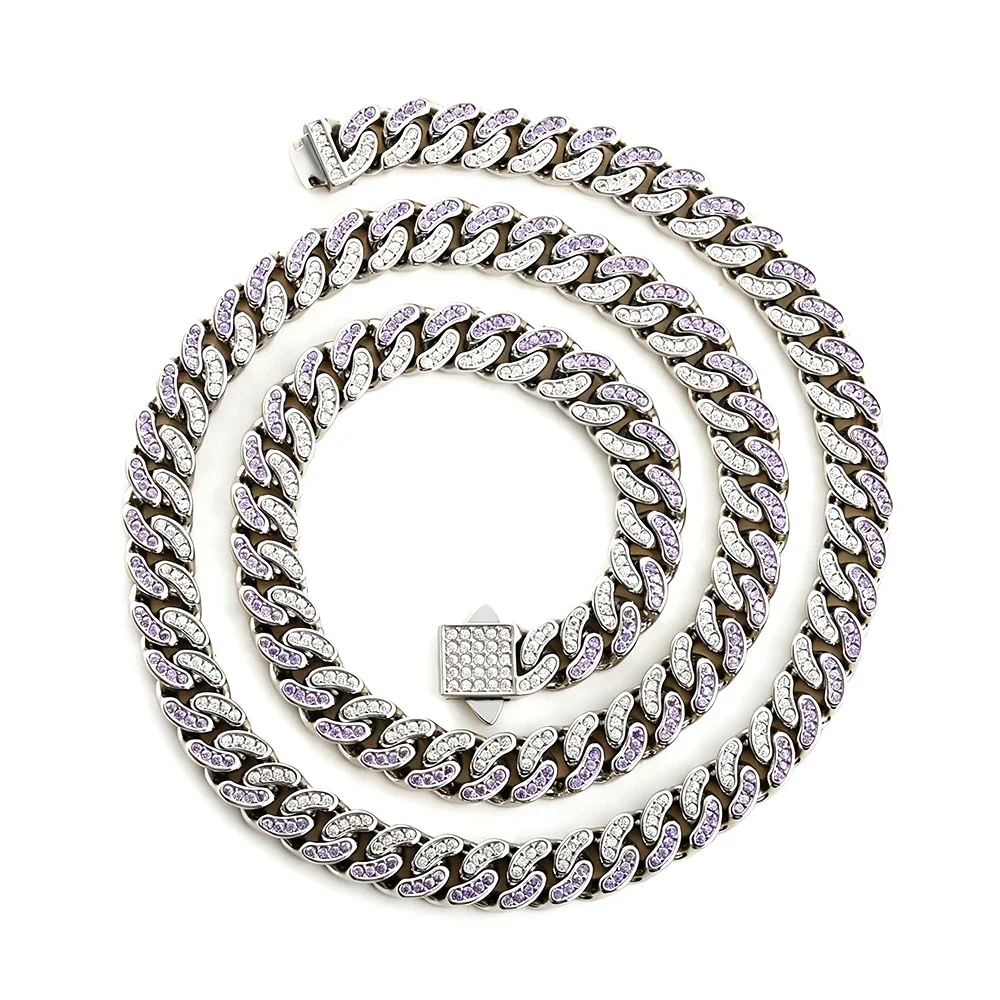
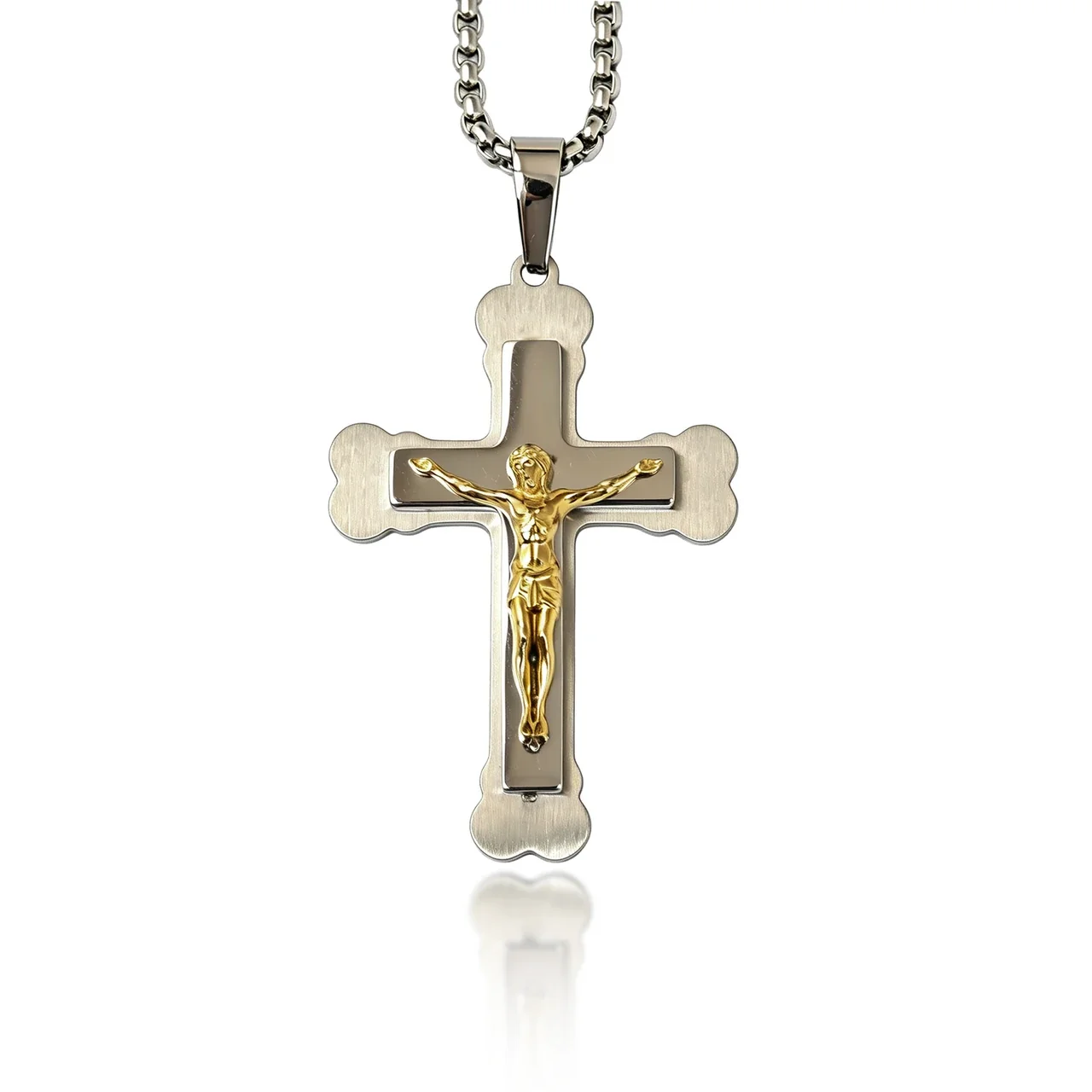
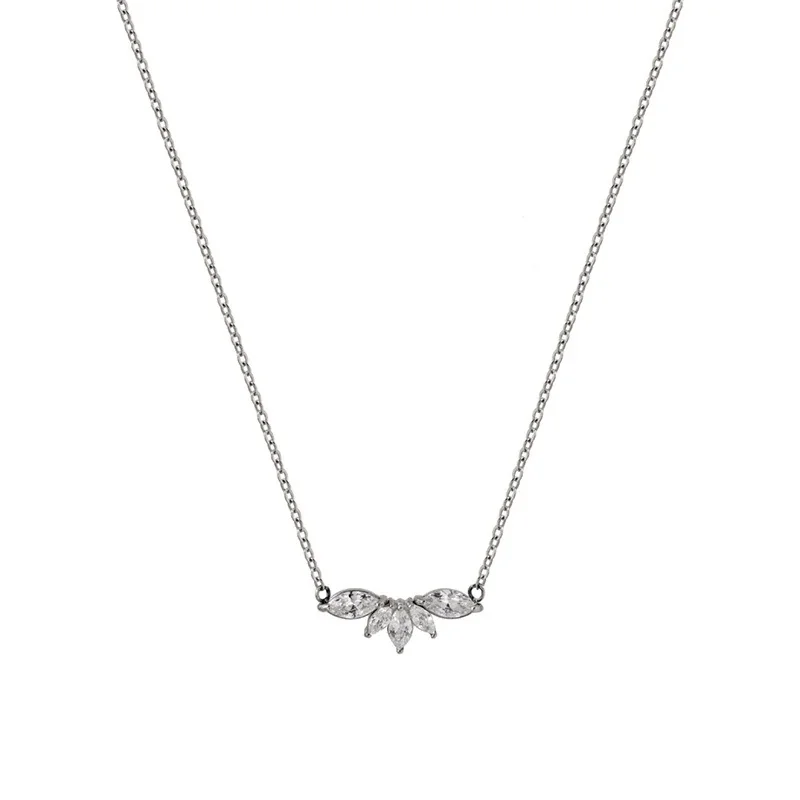
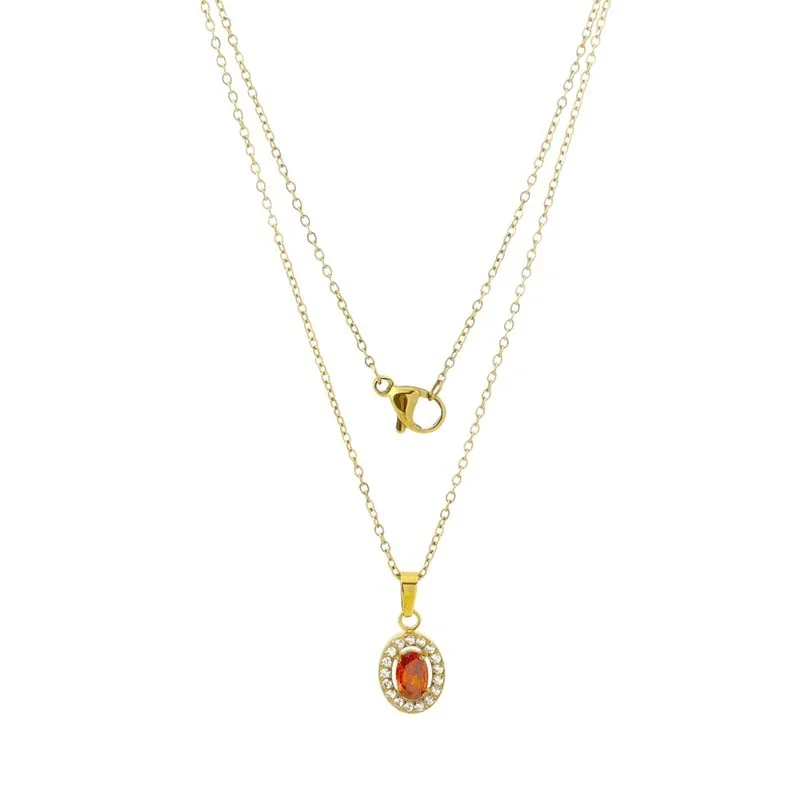
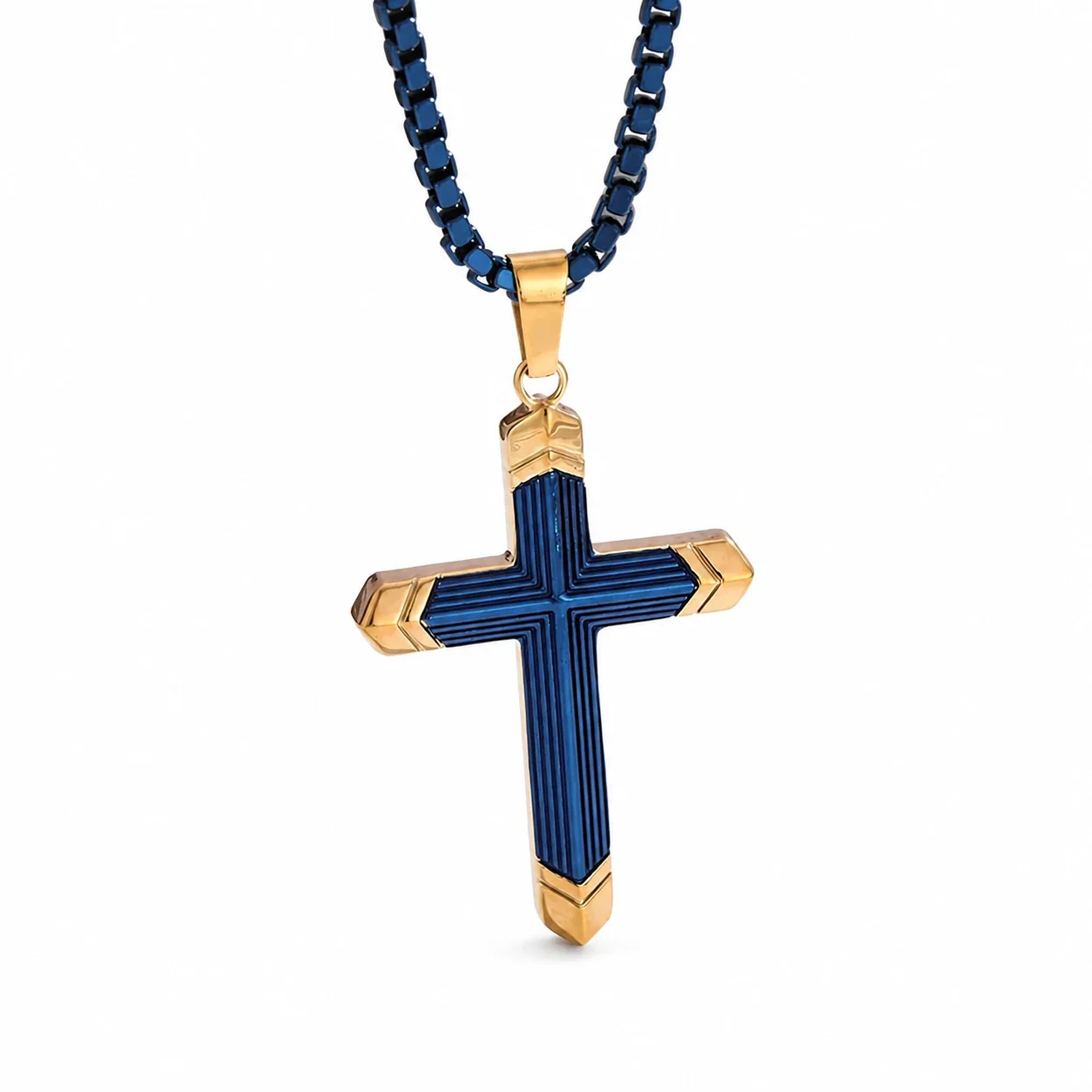
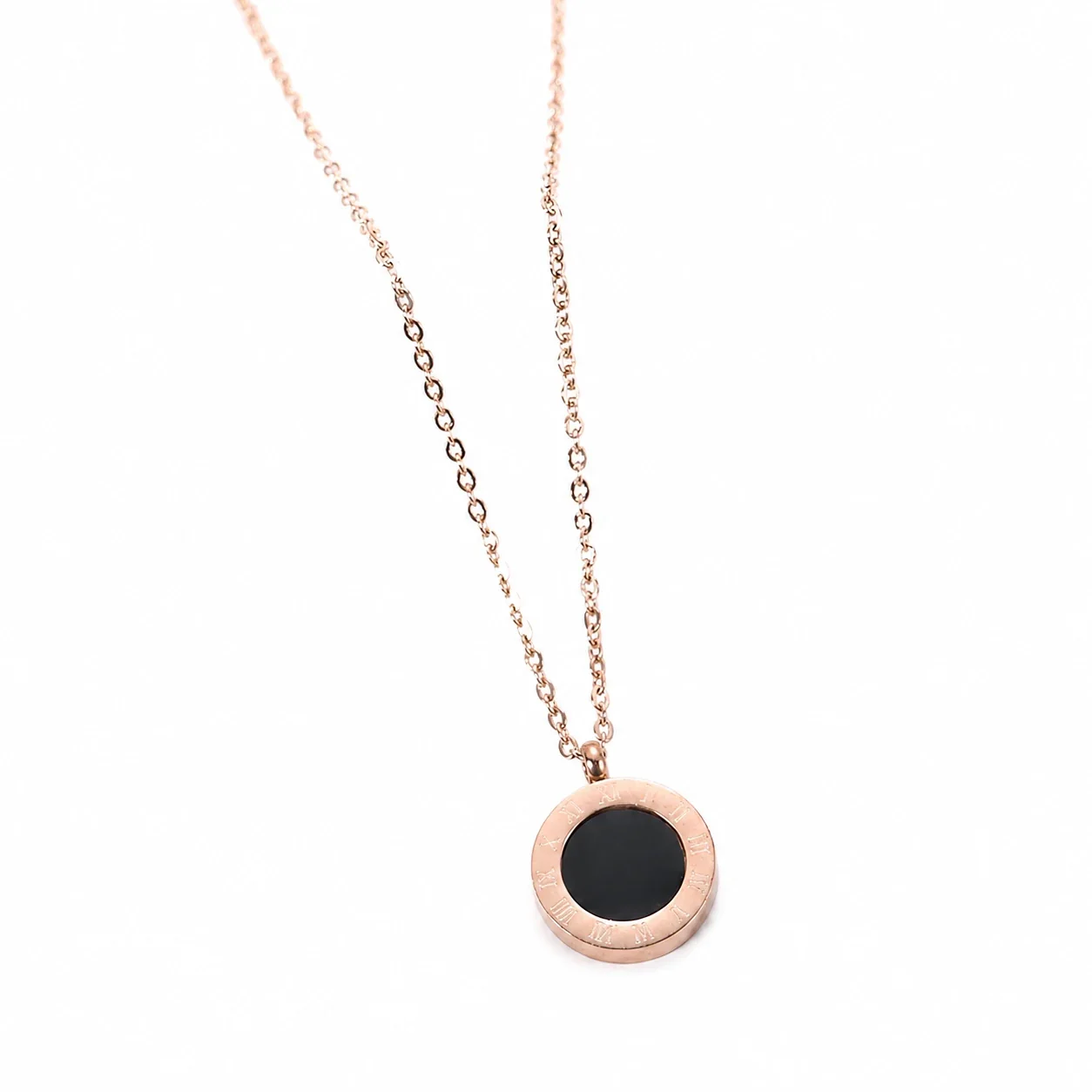
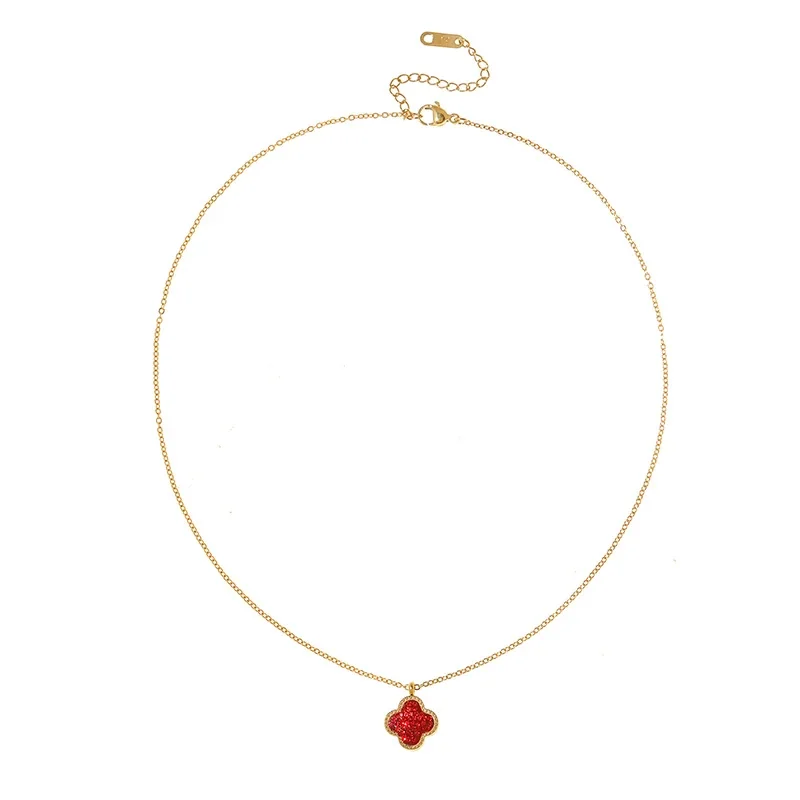
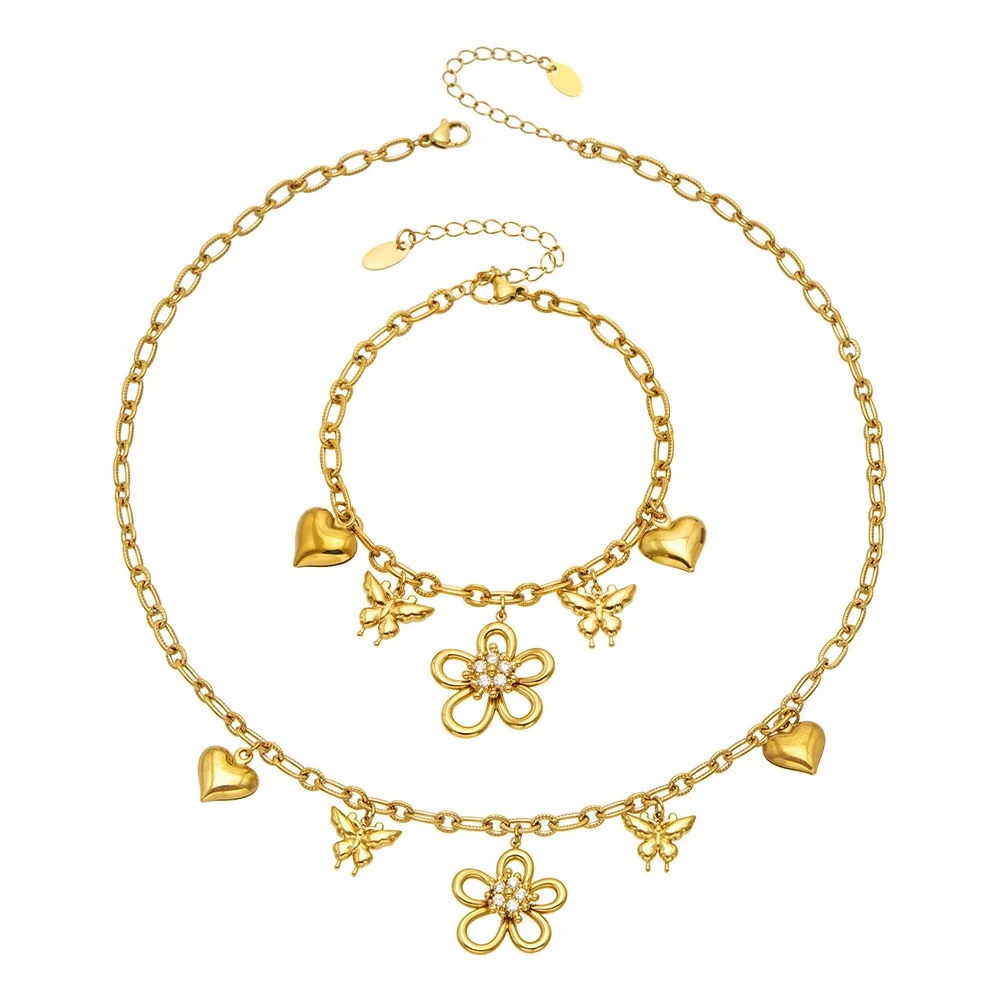
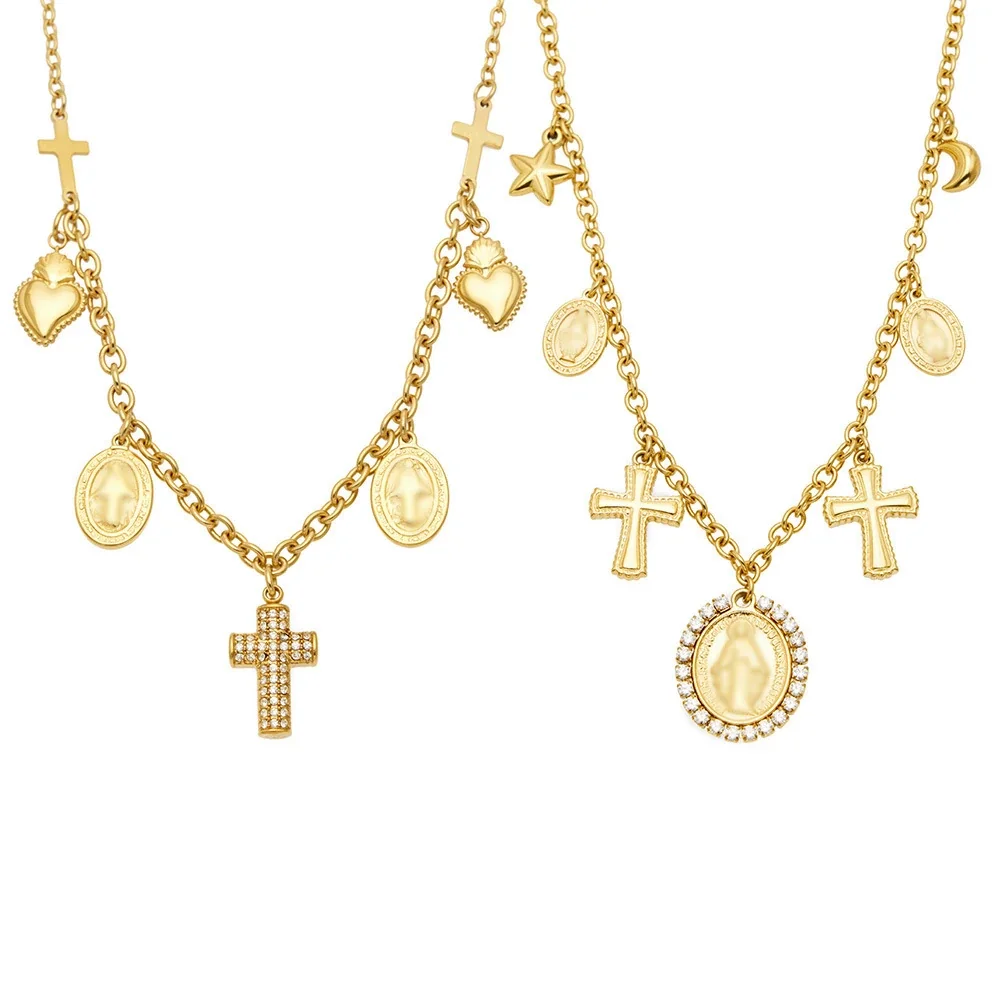
Yes — a 316L necklace is an OEM/ODM job here rather than a stock item. Send the design, the chain construction, the length range, the clasp and the finish, and the grade goes into the quotation and the order. Runs start at 50 pieces per design, and returning customers can go as low as 30 pieces per design; production typically takes 10–15 working days once the specification is approved. If you want to buy the style from stock before committing to a run, comparable ready stock listed as 316 can be ordered from 1 piece.
Who sells 316L steel jewelry wholesale in small quantities?
Nobody sells the grade itself in small quantities, and it is worth understanding why. 316L steel jewelry is decided when the parts are made rather than picked off a shelf, so 316L minimums are stated per design — ours is 50 pieces per design, 30 for returning customers. What can be bought in small quantities is ready stock, listed as 316 or as stainless steel and sold from 1 piece, which lets a style be bought for a few dollars before it becomes a 316L production run.
How should a buyer check a 316L jewelry claim from any supplier?
Ask what the claim rests on. A grade printed in a listing title is text, not evidence, and 316L jewellery is indistinguishable from 316 once polished and coated — no visual check separates them. Ask whether the grade is recorded per SKU or asserted across a whole catalogue, whether it appears in the quotation and the order for a production run, and what a test would cost and cover if your market requires one. We publish 316L only as a production specification for exactly that reason.