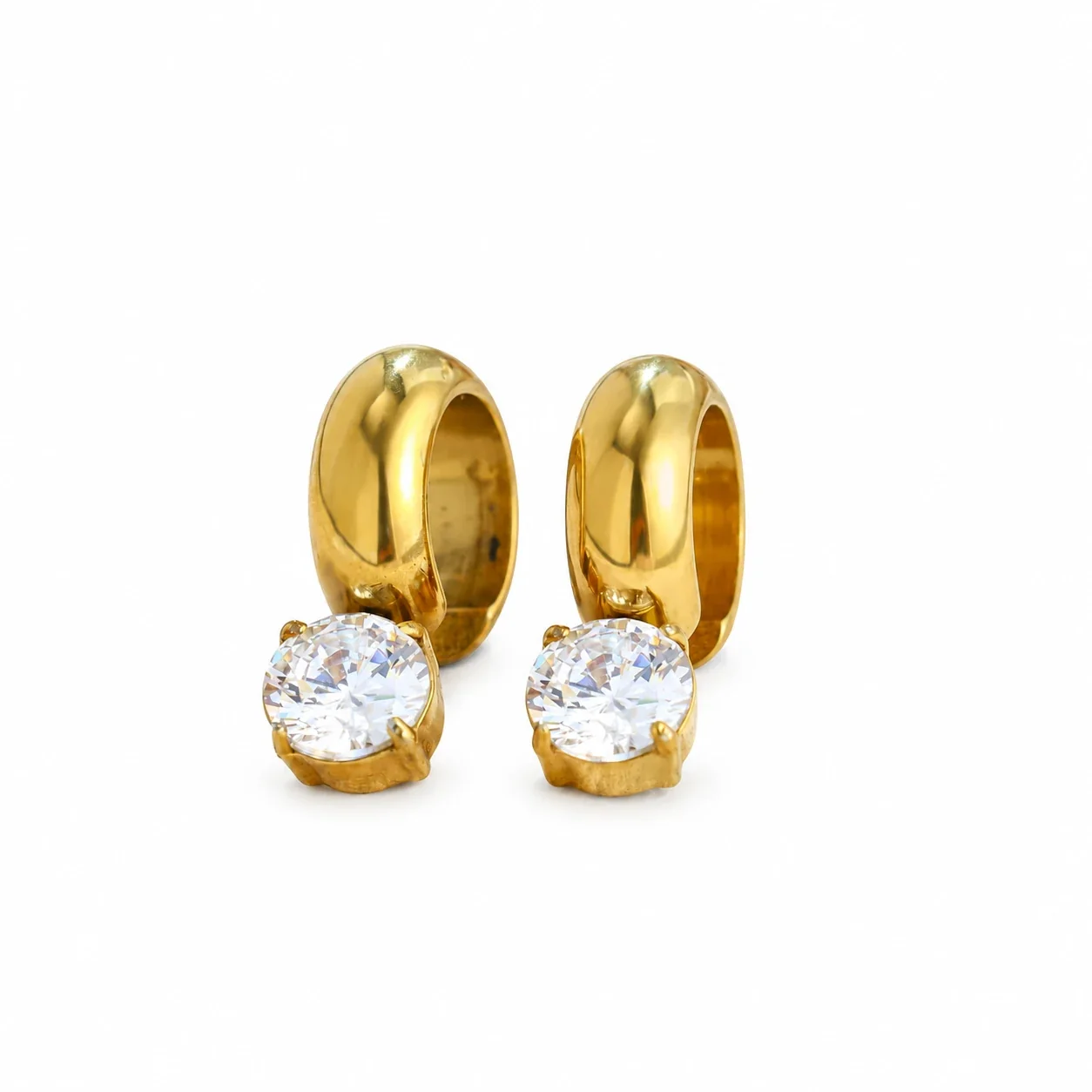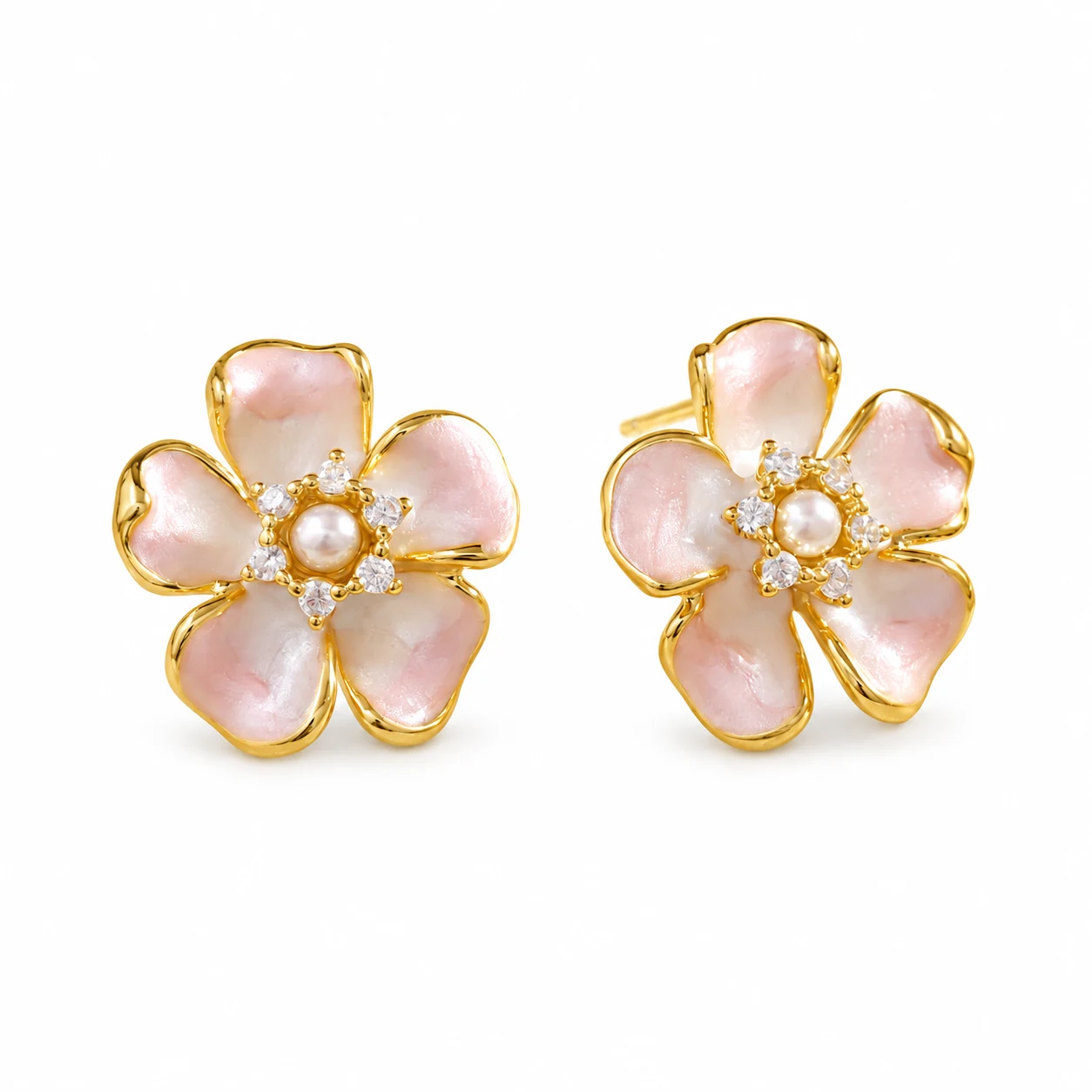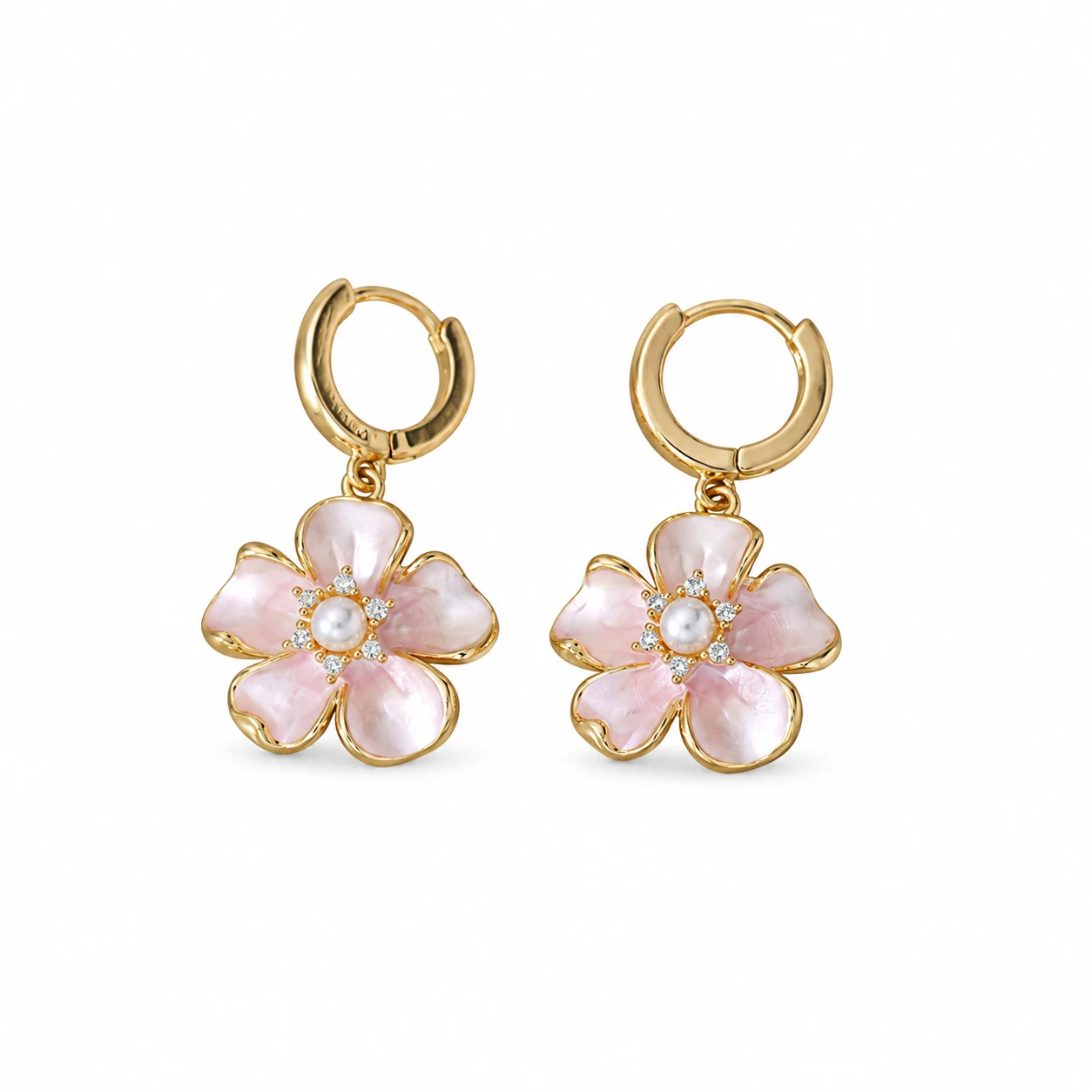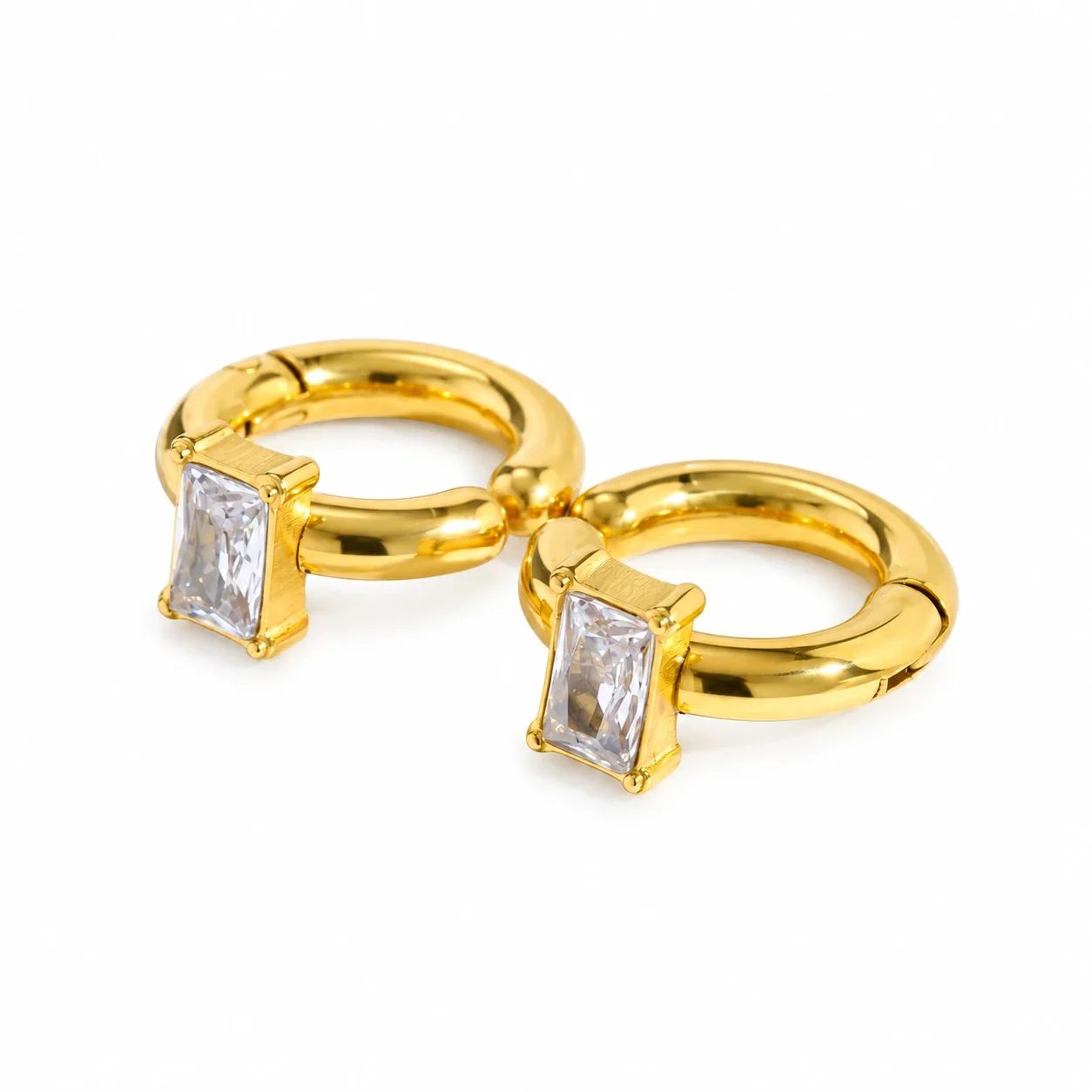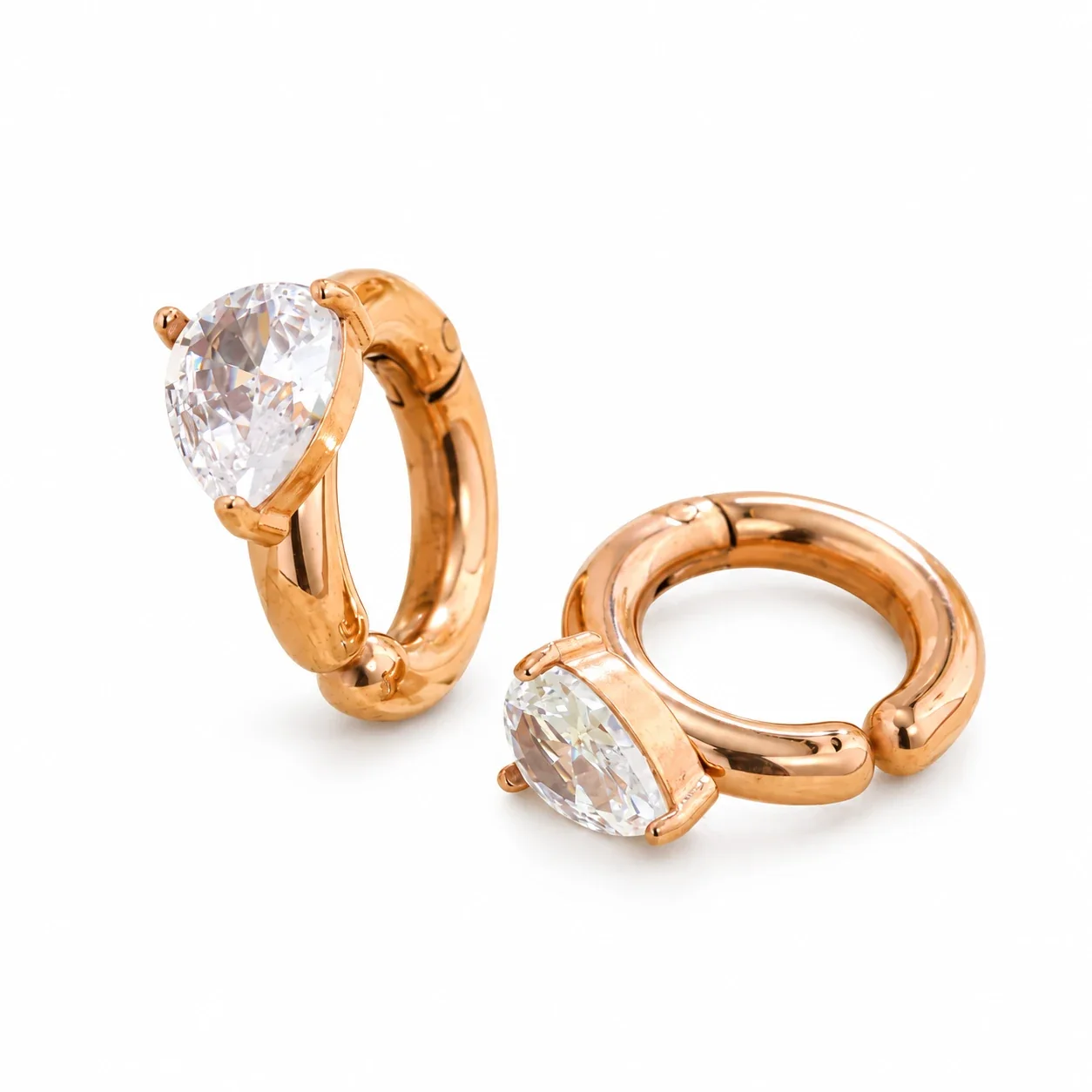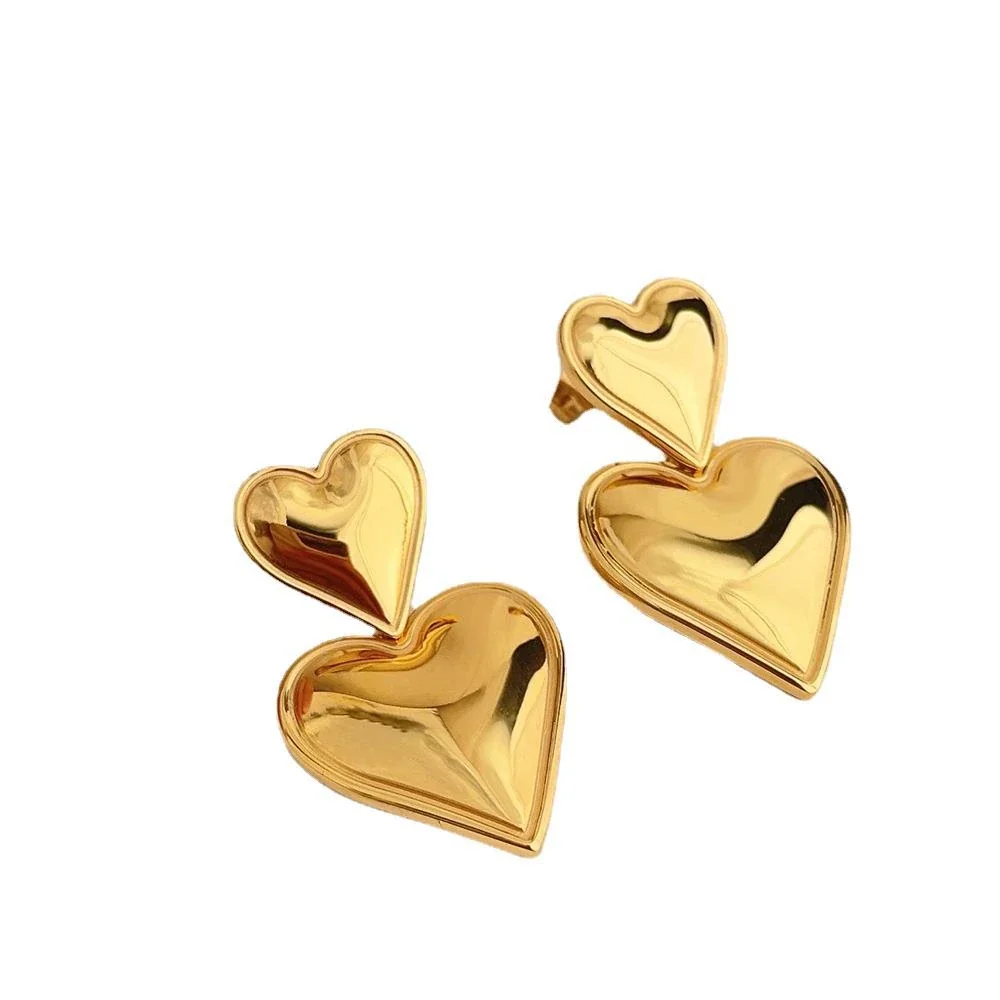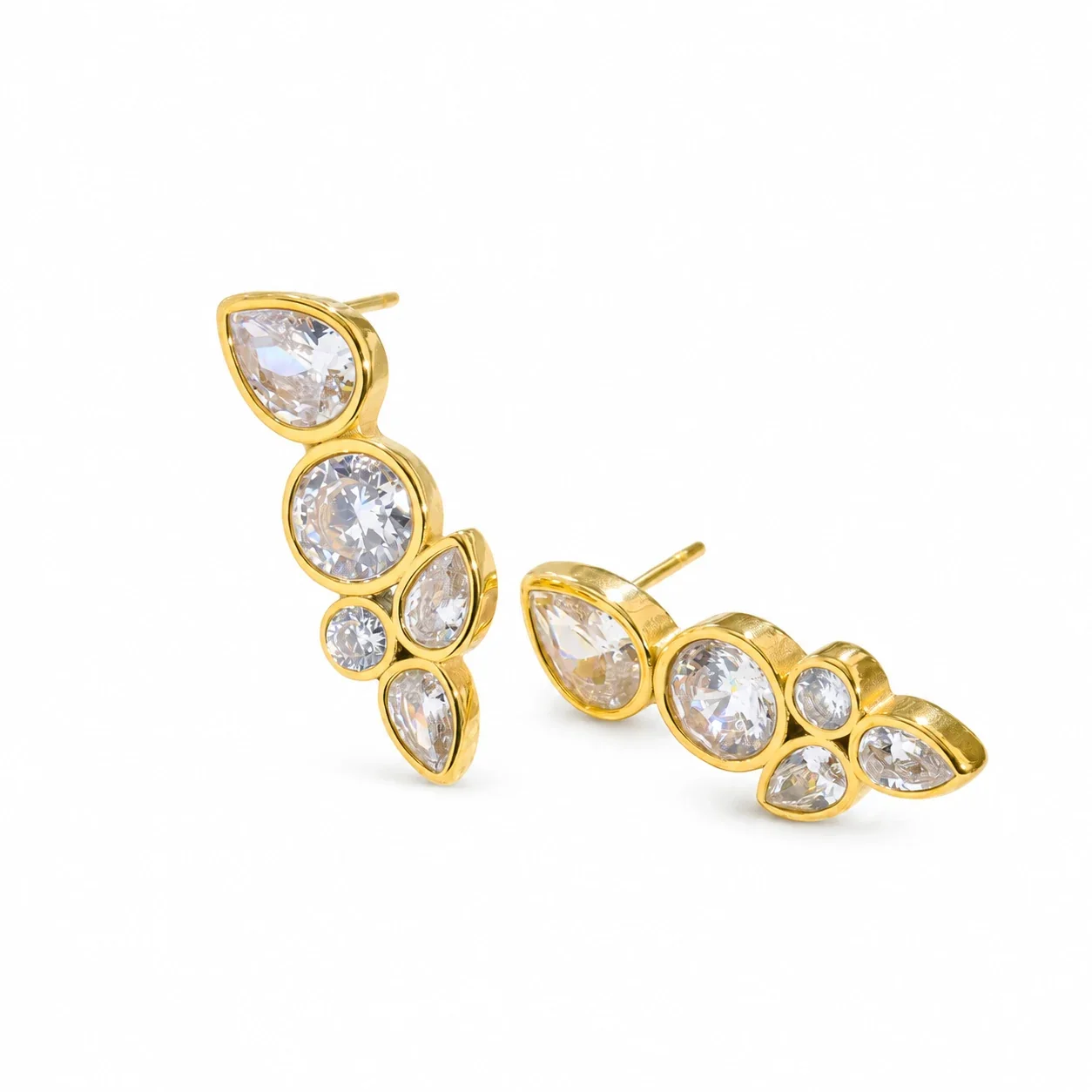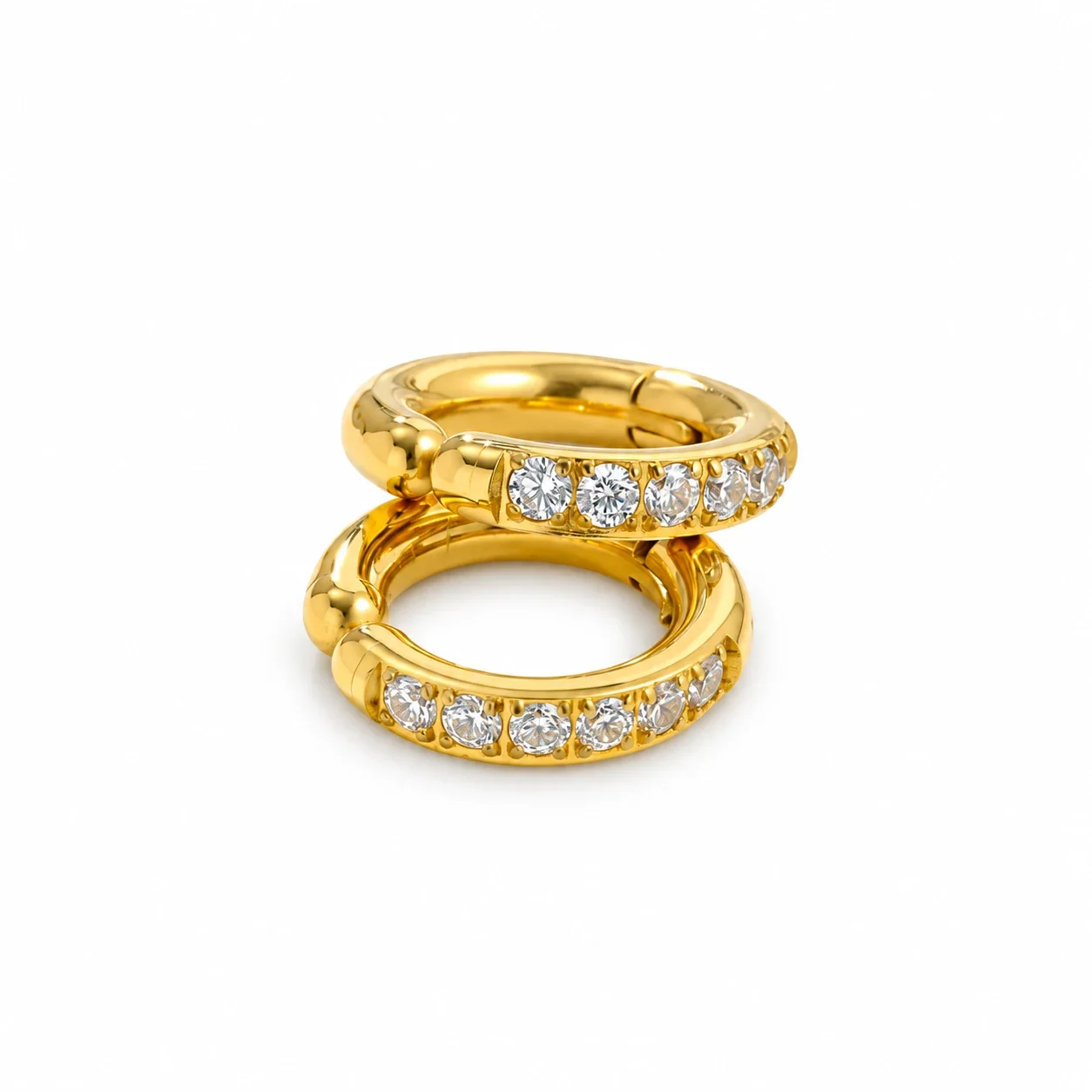
Surgical-grade alloy
316 is a corrosion-resistant stainless-steel grade commonly considered for skin-contact jewellery. A measured nickel-release result still requires a test covering the named sample, SKU or batch.
Studs, hoops and drops for buyers building a sensitive-skin range. Check each product page for the actual 316 material, post composition and finish; no catalogue-wide EN 1811 test status is implied. No minimum — samples from one piece, with per-piece pricing that steps down at 3 and 10.
Browse the earrings1 pc
Sample minimum
3 & 10
Price steps down per style — no minimum order
Per SKU
Testing requirement must be scoped per SKU
316 stainless steel contains nickel and is commonly selected for skin-contact jewellery because of its corrosion resistance. That material choice is not a medical guarantee or a substitute for a named-SKU nickel-release test; individual sensitivity varies.
316 is a corrosion-resistant stainless-steel grade commonly considered for skin-contact jewellery. A measured nickel-release result still requires a test covering the named sample, SKU or batch.
Nickel release cannot be inferred from an alloy name alone. If EN 1811 evidence is required, its availability and applicability must be confirmed for the named SKU or batch.
PVD is available on selected earrings, but it is not a medical or nickel-release guarantee. Check the named SKU and any required evidence before ordering.
Posts and findings are the parts that touch skin most directly. Confirm their composition in the named SKU specifications or sample; do not infer it from the body material alone.
"Hypoallergenic" is a marketing word, not a regulated standard: it says a material is less likely to provoke a reaction, not that it cannot. For earrings the practical question is nickel release — how much nickel migrates out of the metal and onto skin during prolonged contact — which is why buyers building a sensitive-ear range in bulk keep returning to the stainless steel family rather than to plated fashion alloys.
Austenitic stainless steels such as the 316 family hold nickel inside a stable alloy structure rather than on the surface, and the metal is the same all the way through the piece. A solid steel earring therefore tends to release far less nickel over months of wear than a piece whose colour comes from a thin plated layer over a different base metal — once that layer wears through, the wearer is in contact with whatever sits underneath. This is a general property of the material family, not a test result for any individual piece of jewellery.
What that does not settle is the individual case. Sensitivity varies from person to person, no alloy family is hypoallergenic for everyone, and stainless steel does contain nickel — so nothing here should be read as "nickel-free", as a medical claim, or as catalogue-wide nickel-release testing. It also does not tell you what a given style is made of: material and finish are stated per SKU on each product page, and that statement, not this page, governs what you receive. Because there is no minimum order, the reliable way to check is to buy one piece as a sample and wear-test it before committing to bulk quantities.
In the stainless steel family nickel is alloyed into the metal itself. In nickel-plated costume jewellery it sits in or under a coating that thins with wear. Two earrings can look identical in a product photo and behave very differently against skin six months later.
The post and the back sit in the ear for hours, so they matter more to a sensitive-ear customer than the decorative front does. Check the material stated for that SKU on its product page and confirm it on an approved sample before you order the style in bulk.
There is no minimum order, so retailers and boutiques building a sensitive-ear range usually take a single piece of each candidate style, wear-test it for a week, and reorder in bulk only what passed. The per-piece price steps down at 3 and 10 pieces per style, so the test costs one sample rather than a range.
We make no medical claims, describe no product as nickel-free, and imply no catalogue-wide nickel-release testing — stainless steel contains nickel, and individual sensitivity varies. Where EN 1811 or REACH evidence is mandatory in your market, say so before sampling so scope and availability can be confirmed in writing for the named SKU.
Material, post composition and finish vary by style and are stated on the product page. Start from the full earrings range or go straight to a format.
Choose a sample, stocked-wholesale or OEM route after the named SKU, tier rules and written quote have been reviewed.
1
Order a single piece to check finish, weight and post comfort. Any sample credit applies only where stated in the written quote.
Sample process2
There is no minimum order — start from a single piece. The per-piece price steps down at 3 and 10. Tier pricing and whether mixed SKUs count are confirmed in the written quote.
MOQ & pricing3
Apply the same 316 build to your own designs, packaging and logo. Custom development is quoted against a written brief.
Custom & OEMNo site-wide test or certification is implied. Confirm the material and finish of the named SKU, and state any required market evidence before sampling so availability and third-party testing scope can be checked in writing.
316 steel
Use the named product page and approved sample to confirm the body, post and finding materials for that SKU.
EN 1811 reference
EN 1811 is a European nickel-release test method for articles in prolonged skin contact. A result applies only to the named sample, SKU or batch covered by its report.
REACH requirement
EU REACH restrictions are buyer and market requirements, not a blanket catalogue certification. Required evidence must be agreed for the named SKU before sampling.
PVD finish
PVD is available on selected SKUs. The product page and approved sample state whether it applies to the ordered finish.
Water guidance
Water exposure guidance depends on the named material and finish; follow the product specification and care guidance for the ordered SKU.
Material and finish specifications are confirmed per named SKU. Test reports or regulatory documents are not promised site-wide; any requirement must be verified in writing before sampling and order.
Many buyers choose 316 stainless steel for sensitive-skin ranges, but material and finish must be checked on the named product page. Individual sensitivity varies, and Jewena does not make a medical claim or imply catalogue-wide nickel-release testing.
316 stainless steel contains nickel, so "nickel-free" must not be read as zero nickel. Only a report covering the named sample, SKU or batch can establish a measured nickel-release result; individual sensitivity still varies.
Samples start from one piece so you can test the finish, and there is no minimum order — the per-piece price steps down at 3 and 10 pieces per style. See the MOQ page for tier detail.
Not as a blanket catalogue promise. Material and finish specifications can be confirmed for a named SKU. If EN 1811 testing or REACH-related evidence is mandatory, state it before sampling; availability and third-party scope must be confirmed in writing before order.
Yes. The same 316 build can be applied to your own designs, packaging and branding through our OEM/ODM route, quoted against a written brief.
It means a material is less likely to provoke a skin reaction. It is a marketing term rather than a regulated standard or a medical grade. For earrings the measurable question is nickel release during prolonged skin contact: stainless steel contains nickel held inside the alloy, which is why the family is widely used for skin-contact jewellery — but individual sensitivity varies, and only a report covering the named sample, SKU or batch can establish a measured release figure.
Yes — that is what this range is for. Retailers, boutiques and independent brands buy earrings from us in bulk with no minimum order: samples start at one piece and the per-piece price steps down at 3 and 10 pieces per style. Stock ships from Guangzhou in 3–5 working days with tracking to 60+ destinations, and every price is published in USD, so a bulk order can be costed before you contact us.
In plated costume jewellery the finish is a thin layer over a different base metal, so as it wears through the wearer contacts whatever is underneath. In the stainless steel family the metal is the same throughout the piece, with no plated base-metal core to wear away. That is a general difference between material families; for any particular style, the material and finish stated on its product page are what apply, and a sample is the way to confirm them.
Send the earrings you need — we reply with samples, MOQ and specification scope.
Share styles, quantities, target market and any mandatory testing requirement. We will confirm the sample path, tier pricing, named-SKU specifications and what evidence can actually be scoped before order.
Contact us
Chat on WhatsApp