How to Start a Jewelry Business From Home: A Step-by-Step Checklist
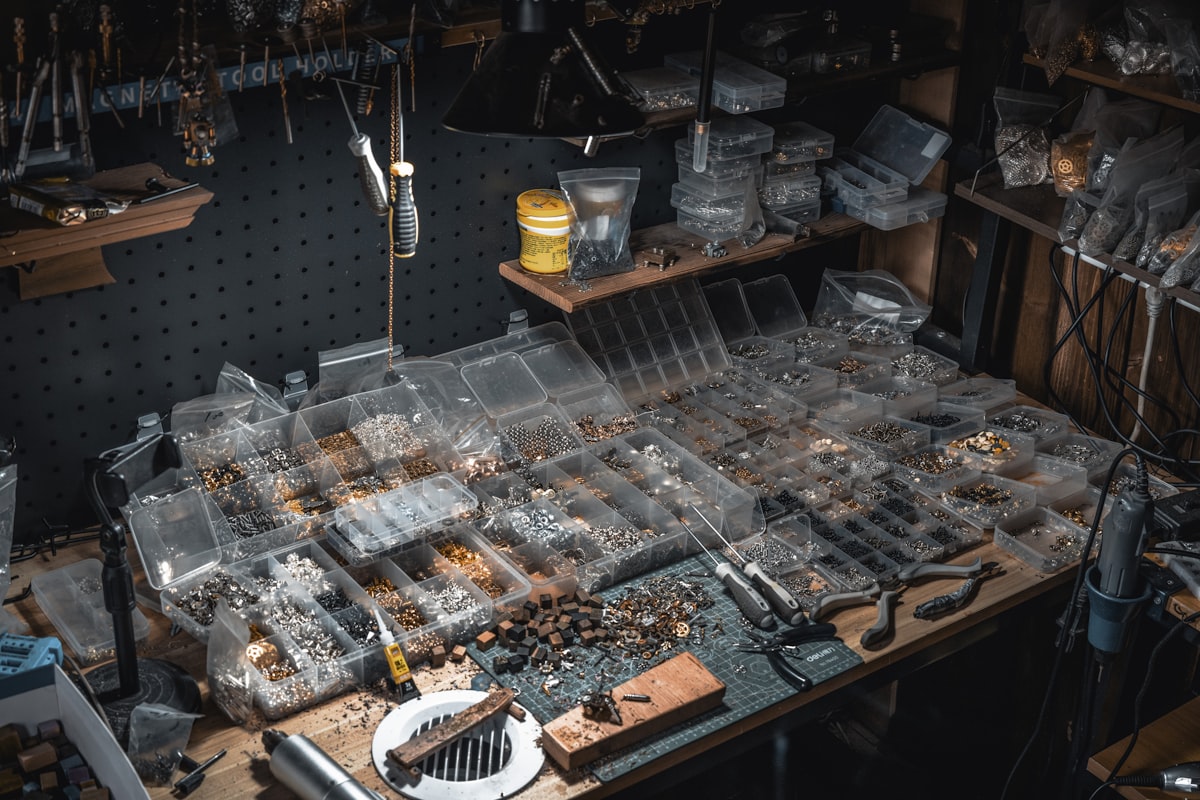
Learning how to start a jewelry business from home comes down to a few practical decisions, and it is one of the lower-barrier ways to enter retail. It needs a small workspace, a modest starting budget, a registered business, and a reliable source of stock. Most home-based sellers begin with a narrow product focus, one sales channel, and a few dozen pieces, then reinvest early profit into a wider range and better photography.
This checklist covers the practical order of setting up a home jewelry business: choosing a niche, budgeting startup costs, picking a sales channel, and deciding whether to hold ready stock, dropship, or make pieces to order. It is written for first-time sellers who want to keep initial spending low and test demand before committing to larger orders. A separate guide covers material sourcing in more depth; this one stays on the startup mechanics.
How much does it cost to start a jewelry business from home?
Home-based jewelry costs are flexible because the biggest variables, inventory and marketing, scale with ambition. A lean launch that tests one product line can start in the low hundreds of USD; a fuller launch with photography gear and a first bulk order sits in the low thousands. The table below is a neutral planning range, not a quote.
| Startup item | Lean range (USD) | Fuller range (USD) |
|---|---|---|
| Business registration and license | $0–$100 | $100–$300 |
| Starting inventory or samples | $100–$300 | $500–$2,000 |
| Packaging and labels | $30–$80 | $100–$300 |
| Photography (phone vs light kit) | $0–$60 | $150–$400 |
| Online store or listing fees | $0–$40 | $40–$120 |
| Initial marketing | $0–$100 | $200–$800 |
Keep fixed costs near zero at first. A phone camera, a window with daylight, and a free or low-cost marketplace listing are enough to validate whether people will buy before larger spending is committed.
Pick a niche and a simple pricing rule
A focused niche makes a small catalog look intentional and helps early marketing. Rather than stocking everything, many home sellers pick one theme, such as minimalist stainless steel earrings, waterproof everyday pieces, or a single metal finish, and build a tight range around it. A narrow focus also simplifies sourcing, because repeat orders concentrate on a handful of best-sellers.
Pricing does not need to be complicated at the start. A common keystone approach is to multiply the landed cost of each piece (item cost plus shipping and any fees) by a fixed number to set the retail price, then adjust for what comparable pieces sell for. Whatever the rule, make sure the margin covers packaging, payment fees, returns, and the time spent packing and posting, not just the item itself.
Ready stock, dropshipping, or made to order?
How inventory is handled shapes the startup budget, the shipping speed, and the cash tied up in stock. The three common models for a home jewelry business trade off upfront cost against control and margin.
| Model | Upfront cost | Shipping speed | Best for |
|---|---|---|---|
| Ready stock (hold inventory) | Higher | Fastest, seller controlled | Repeatable best-sellers, quality control |
| Dropshipping | Lowest | Depends on supplier | Testing new designs with low risk |
| Made to order | Low to medium | Slowest (production time) | Custom or personalised pieces |
Many sellers blend models: dropship or made-to-order to test a design, then switch proven winners to ready stock once demand is clear, which improves shipping speed and margin. Stainless steel is a popular starting material for home jewelry lines because it resists tarnish and water better than plated brass, which keeps returns and complaints low on everyday pieces (316 is the grade most often specified for skin-contact jewelry).
Steps to launch your home jewelry business
Work through these steps roughly in order. Each one is small enough to finish in an evening, and none require large spending before there is evidence of demand.
- Choose one niche and sketch a starter range of 8–15 pieces.
- Register the business and check local rules on selling from home and on labeling metal content.
- Open a separate account or record for business income and expenses from day one.
- Order samples of your top candidates before any bulk purchase, and wear-test them.
- Photograph each piece in daylight against a plain background; consistent images matter more than expensive gear.
- Set prices with a fixed rule that covers all costs, then sanity-check against comparable listings.
- Launch on one channel first (a marketplace, a social shop, or a simple store) and learn it before adding more.
- Ship the first orders yourself, ask buyers for honest feedback, and reorder only what sells.
Choosing a supplier and MOQ when starting out
The supplier decision is where a home business either stays low-risk or overcommits. Start sample-first: order a small paid sample of anything before a bulk run, and check the finish, weight, clasp action, and whether the metal matches what was described. A supplier that supports single-piece samples lets a new seller validate quality without holding unsold stock.
Ask any supplier for the same evidence rather than taking claims at face value: the specific metal grade, whether material test documentation can be provided on request, real product photos, and clear lead times. Compare quoted minimum order quantities and tiered pricing, since a lower MOQ is friendlier to a first order even if the per-unit price is slightly higher. If holding stock is not yet affordable, a dropshipping arrangement can bridge the gap while demand is tested. A shortlist of stainless steel jewelry suppliers is a practical way to compare samples side by side before committing to one.
FAQ: Starting a jewelry business from home
How much money do I need to start a small jewelry business from home?
A lean test launch can start in the low hundreds of USD by using a phone camera, free listings, and a small batch of samples. Budgets rise into the low thousands once bulk inventory, packaging, and paid marketing are added, so it is common to start small and reinvest early profit.
Do I need a license to sell jewelry from home?
Most places require a basic business registration or license to sell legally, and some regulate how metal content is labeled. Rules vary by country and region, so check local requirements before the first sale rather than after.
Is it better to hold stock or dropship when starting out?
Dropshipping lowers upfront cost and is useful for testing new designs, while holding ready stock gives faster shipping, better margin, and tighter quality control. Many sellers test with dropshipping or made-to-order, then move proven best-sellers to ready stock.
What is the easiest jewelry to sell from home for beginners?
Simple, durable everyday pieces in a single material tend to be easiest, because they photograph consistently, ship cheaply, and attract fewer returns. Stainless steel earrings and minimalist pieces are common starting points for that reason.
Starting from home rewards a narrow focus and small, evidence-led steps: test one niche, price to cover every cost, and only scale inventory once a design sells. When it is time to source, compare samples and terms across a few wholesale options, and read the companion guide on choosing a jewelry material and supplier before placing a first bulk order.