How to Start a Jewelry Business: Sourcing 316L Stainless Steel
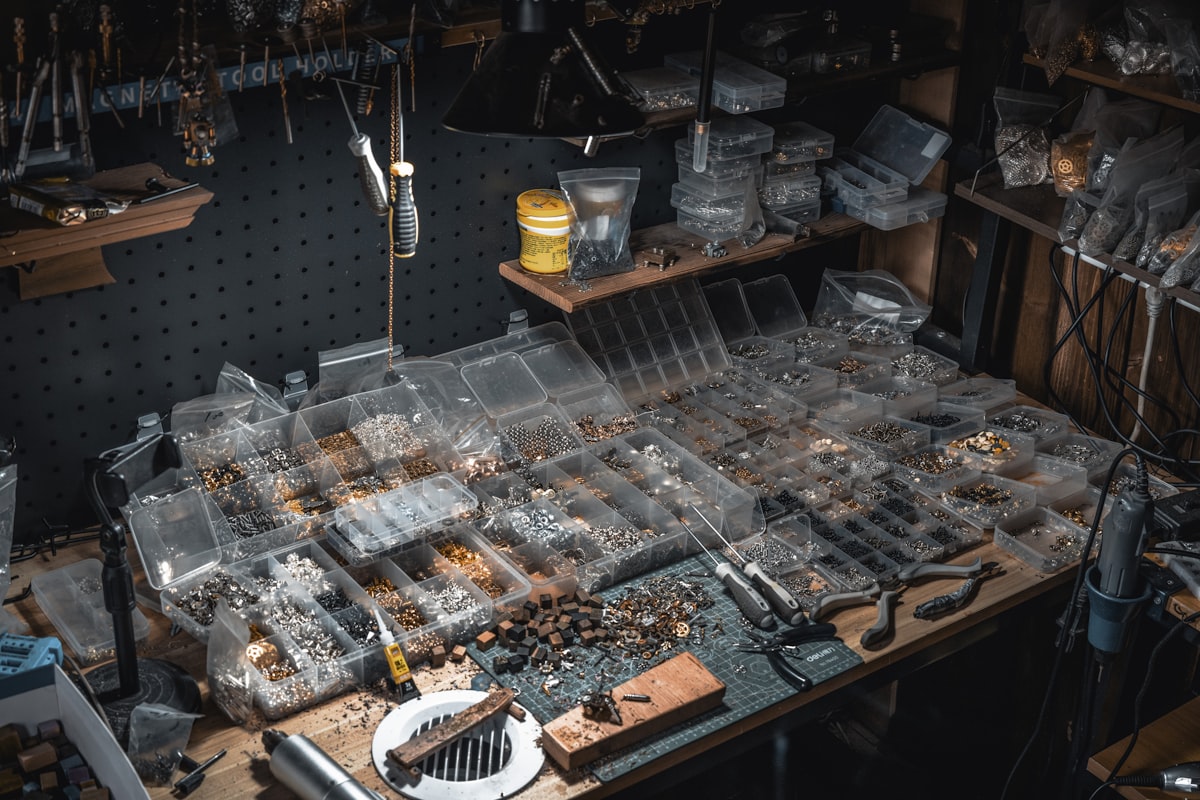
If you are starting a jewelry business — a boutique, an online shop, a market stall or a social-selling page — the most important early decision is what your first range is made from. For a new seller, 316L stainless steel is a sensible default, not because it is fashionable, but because it resists the returns, complaints and skin reactions that quietly sink first-time sellers.
This guide is a practical starting framework: why 316L suits an opening range, how to think about a first-order budget without inventing figures, how to choose your first products, how to vet any supplier, and how to pace yourself from sample to first reorder. The numbers are your own to gather — the method is what matters.
Why a first range often starts with 316L
New sellers underestimate how much work the metal itself does. Two forces decide whether early orders turn into repeat customers or refunds: durability and skin comfort, and 316L is strong on both. It resists corrosion because chromium forms a self-repairing passive layer, a property covered in this introduction to stainless steels, and 316L specifically is a low-carbon grade whose corrosion resistance and low nickel release are documented in this overview of 316L properties.
- Lower returns. A metal that survives showers, workouts and daily wear removes a whole category of complaint before it starts — the green skin, black tarnish and flaking that plated brass and untreated silver produce in the customer's hands.
- Fewer skin reactions. Low nickel release suits most sensitive-skin customers, and skin complaints are among the most damaging a jewelry seller can receive because they feel personal.
- Checkable claims. "316L stainless steel, suits most sensitive skin" is a statement you can stand behind when the grade is documented per SKU — an honest claim beats a bold one.
Costing a first order: the method, not the myth
You do not need a large budget to start, but you do need a repeatable calculation. Build it from four generic levers that every supplier uses, and fill in the real figures once you have quotes.
Order a sample first
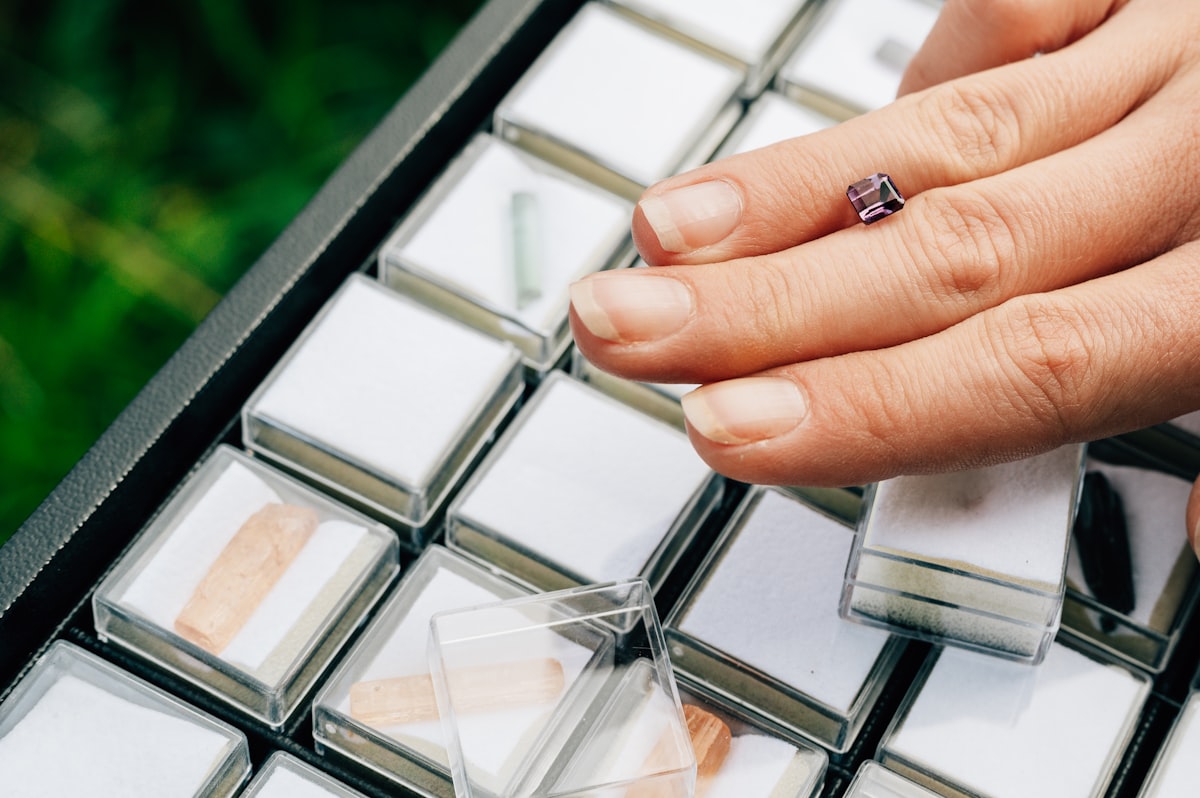
Hold a piece before committing to a batch. Many suppliers charge a sample at the listed price plus shipping, and some credit that cost back against a qualifying first order — treat a sample as a deposit against your first buy, not a sunk cost. Budget the sample and its shipping now, and wear-test it before you scale.
Understand MOQ and tiered pricing
The minimum order quantity (MOQ) is the smallest batch a supplier will sell of a style, and tiered pricing means the unit price falls as quantities rise. Ask for both in writing. A useful pattern to look for is one where meeting the MOQ also unlocks the better price tier, so there is no penalty for starting at the minimum while you are still testing demand.
Add landed cost and set a retail floor
Landed cost is the unit price after any tier discount plus your share of freight. A common starting rule is keystone pricing — doubling landed cost to set retail, which gives a 50% gross margin as a floor to build from. If your market supports more than double on a style, your margin only improves; keystone is the starting point, not the ceiling.
Factor lead time and Incoterms
Two more levers shape the plan. Lead time differs sharply between ready stock and custom production, so confirm both before you fix a launch date. Incoterms — the standard trade terms such as EXW or FOB — define where the supplier's responsibility ends and yours begins, and therefore how much freight and handling you carry. Knowing the term quoted lets you budget the true delivered cost rather than just the ex-works unit price.
Choosing your opening products
Do not spread a small first budget across dozens of styles. A tight opening range sells better and teaches you faster. A proven shape is a two-part mix.
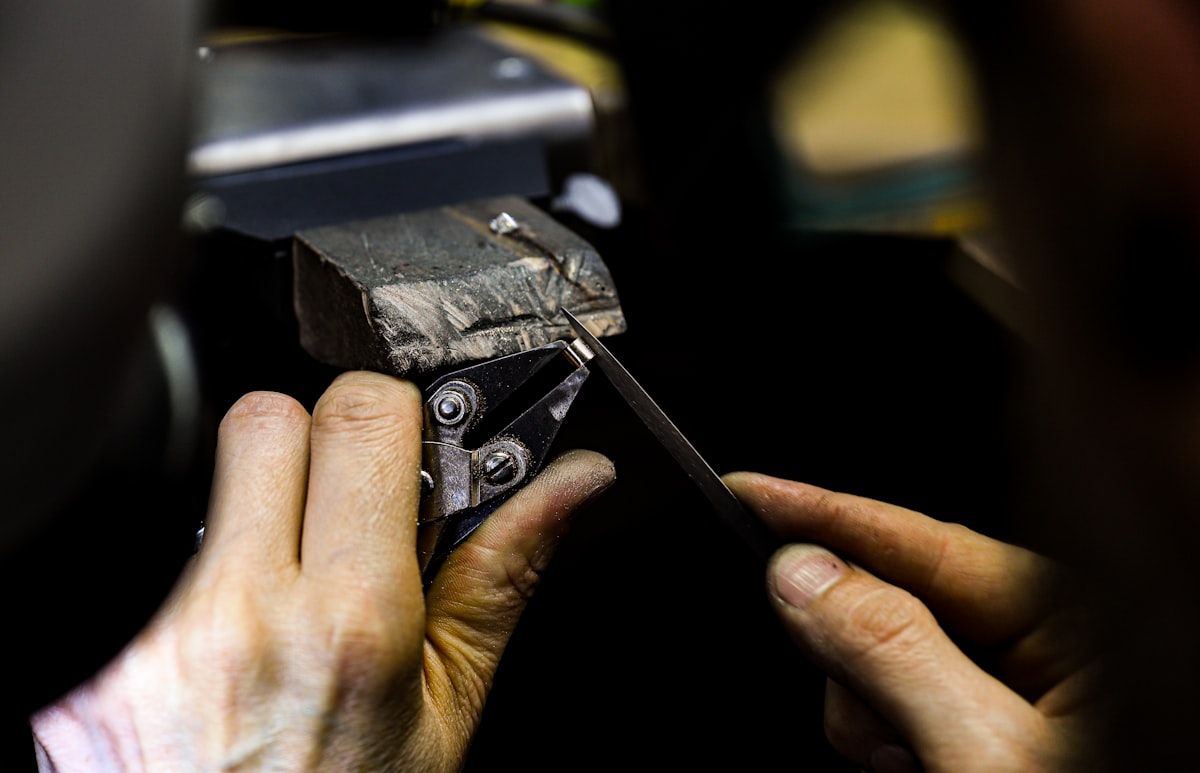
Lead with earrings to drive volume: studs and simple hoops are low-price, high-impulse pieces that people buy to try a new brand, so they move fast and build your review count. Add a few necklaces to lift average order value, since a pendant or layered chain is the piece customers add to reach free shipping or to gift, carrying a higher price and a higher absolute margin. A sensible first order might be a handful of earring styles at MOQ to find your winners, plus two or three necklaces as basket-builders. Then reorder the winners deep and drop the rest.
How to request evidence from any supplier
Before sending money to any jewelry supplier, run a short evidence checklist. A supplier who cannot meet these is a supplier who will generate your returns for you.
- Is the metal grade stated per SKU? If a seller will not name the grade, assume the cheapest alloy. You want the grade documented per product so your own material claim is honest.
- Is there a real sample policy? You should be able to order one piece before a batch. A supplier who forces a large minimum before you can hold the product is transferring all the risk to you.
- Are lead times published and honest? Know the difference between ready-stock and custom timing before you plan a launch date.
- Is pricing transparent? Public unit prices and published tier breaks mean you are not negotiating in the dark or being quoted a special new-buyer markup.
- Can they document their claims? Material test documentation can be requested from any supplier. For terms like "gold plated", "gold filled" or "vermeil", the legal definitions are set out in the FTC jewelry guides, so ask which one actually applies.
- Can they grow with you? Ask whether they support custom packaging, custom production and unbranded shipping. You may not need it on day one, but it saves changing suppliers in year two.
From sample to first reorder
A sane rhythm for the first few months looks like a loop. First, order a sample or two of your top candidates and genuinely wear-test them. Second, place a first batch at MOQ across a tight range. Third, sell for a few weeks and watch which styles move — let real sell-through, not your taste, pick the winners. Fourth, place a focused reorder that goes deep on the two or three proven styles and cuts the rest. Because a low MOQ and flat tier pricing let you test without over-committing, you grow on cash flow instead of guesswork.
FAQ
How much money do I need to start a jewelry business?
Less than most people assume when the supplier's MOQ is low and samples start at one piece. A realistic opening budget is a sample or two, then a first batch of roughly one MOQ per style at the best available tier, plus freight. Use the supplier's published per-unit prices to do the exact arithmetic for your range.
Why start with stainless steel instead of silver or gold-plated brass?
Because 316L resists the failures that generate returns and bad reviews. It does not tarnish or rust, survives showers and workouts, and suits most sensitive skin. Silver tarnishes and plated brass corrodes at the base metal — both put complaints in your inbox.
What is keystone pricing, and is it enough?
Keystone means doubling your landed cost to set retail, which gives a 50% gross margin. It is a sensible floor, not a ceiling. If your market supports more than double on a style, your margin only improves.
Do I have to commit to a big order to test products?
No. Order a single sample first, then a first batch at the MOQ to test a tight range before you reorder deep on the winners. A low-MOQ model is built so you never over-commit to test an idea.
Where to go next
When you are ready to compare ranges or talk volume, packaging and custom production, the wholesale page and the contact page are where that conversation starts.