What Does Gold Plated Mean? Gold Filled vs PVD vs Vermeil
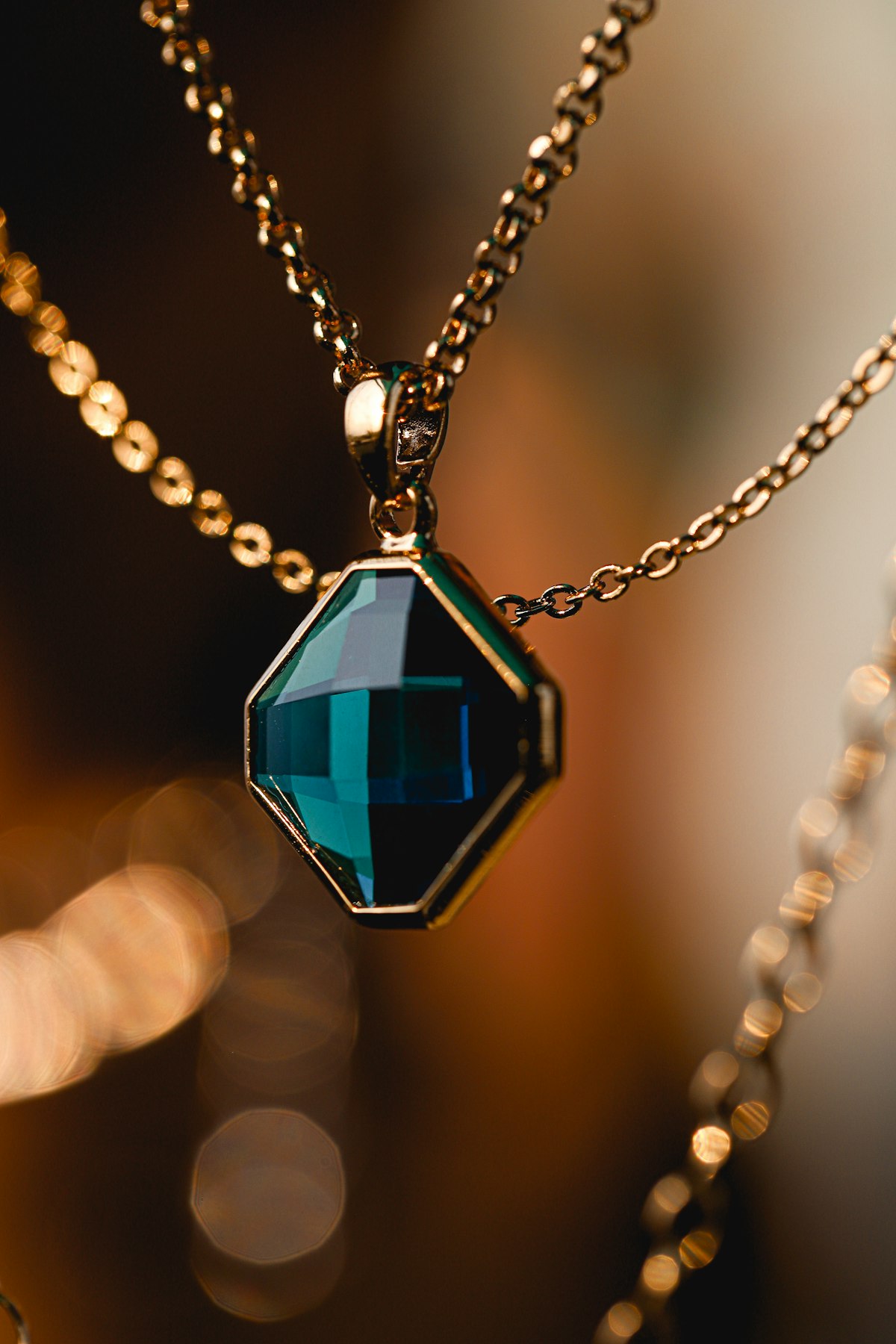
Gold plated means a thin layer of real gold is bonded to the surface of another metal, usually by electroplating. The piece is not solid gold: most of it is a base metal such as brass, copper, zinc alloy, sterling silver or stainless steel, with gold only on the outside. The look approaches solid gold at a much lower price, and the trade-off is wear life, because a thin surface layer can rub away on high-contact areas.
Gold plated, gold filled, PVD and vermeil are often used loosely, but they describe genuinely different constructions. Knowing which is which, and how each is defined, makes it far easier to judge durability and value.
Gold plated, gold filled, PVD and vermeil at a glance
| Finish | What it is | Typical base | Relative wear resistance |
|---|---|---|---|
| Gold plated | Thin electroplated gold layer | Brass, steel, silver | Low to moderate, depends on thickness |
| Gold filled | Thick karat-gold layer, mechanically bonded | Usually brass core | High for its price class |
| Gold PVD | Vacuum-deposited hard coating | Usually 316 stainless steel | High on stainless steel |
| Vermeil | Gold plating over sterling silver, defined minimums | Sterling silver | Moderate, still a plated layer |
How each finish is defined
In the United States, these terms are not free-form marketing words. The FTC Jewelry Guides, with the rule text in 16 CFR Part 23, describe how each may be used:
- Gold plated or gold electroplate: a surface layer of gold applied by plating, tied to a stated minimum thickness.
- Gold filled: a layer of karat gold mechanically bonded to a base metal, with the gold making up a defined minimum fraction of the total weight, commonly marked as, for example, 1/20 14K, meaning the gold is at least one twentieth of the weight.
- Vermeil: gold over a sterling silver base, meeting a minimum gold karat and plating thickness; it is specifically a silver-based construction, not simply thick plating on any metal.
PVD is a coating process rather than a legally defined gold-content term, so a gold PVD colour may or may not contain gold depending on the specification.
How each finish is made
Most gold plated jewelry is electroplated: the cleaned, polished item is placed in a plating bath and an electric current deposits gold ions onto the surface, often over an underlayer that aids colour and adhesion. Gold filled is different, because a sheet or tube of karat gold is bonded to a base-metal core with heat and pressure, then formed into wire, chain or components, giving a much thicker gold layer than plating.
Gold PVD colour is applied by physical vapour deposition: in a vacuum chamber, coating material is vaporised and deposited as a very thin, dense film. For gold-tone stainless steel, PVD often uses hard compounds such as titanium nitride or zirconium nitride to create a gold colour with strong abrasion resistance. Vermeil is made by electroplating gold specifically over sterling silver, so when it eventually wears, the metal showing through is silver rather than a brass tone.
Micron thickness and why it is not the whole story
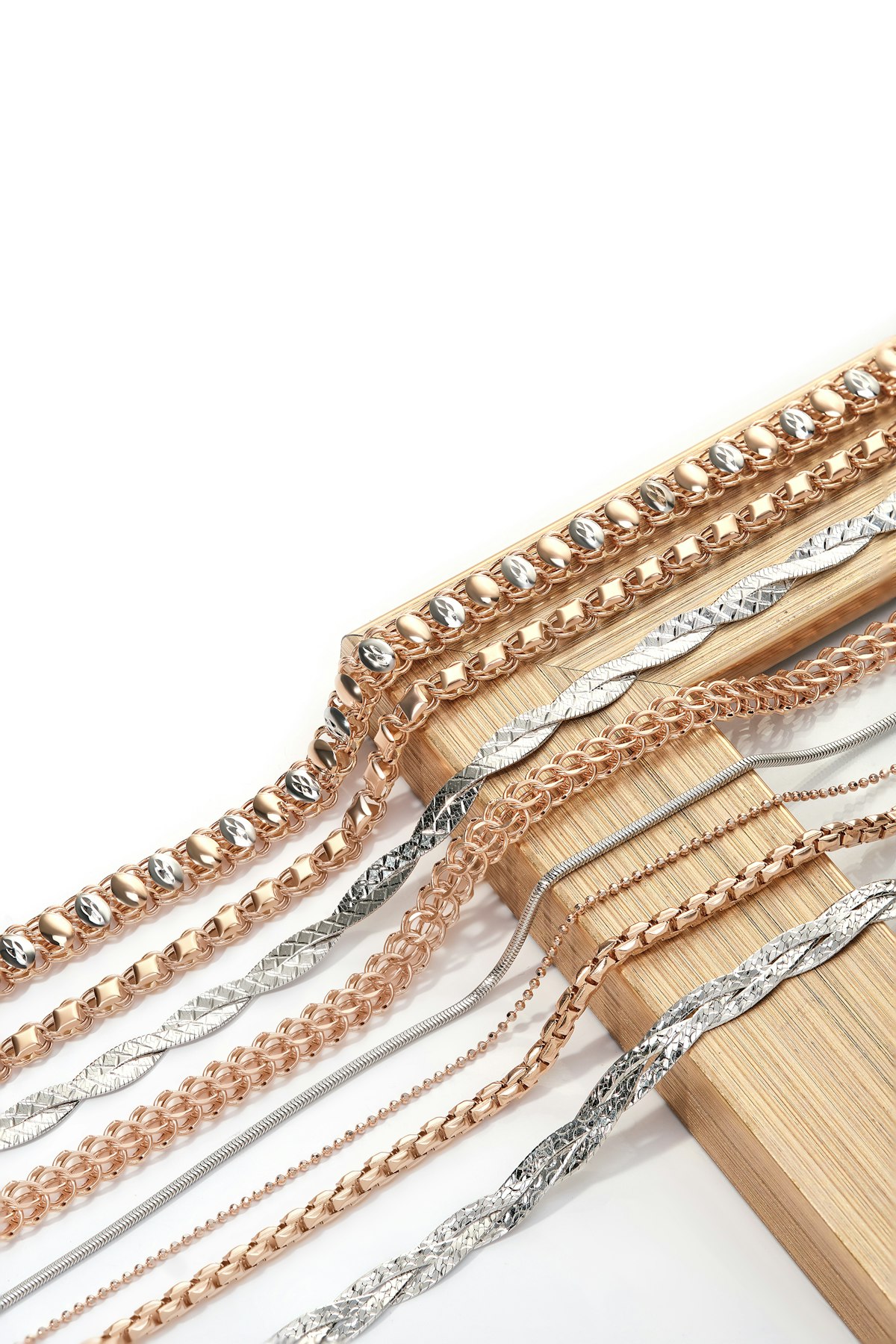
A micron is one thousandth of a millimetre, and coating thickness strongly affects wear life, but it is not the only factor. Surface hardness, base metal, underlayer, polishing quality, skin chemistry and use conditions all change how a finish ages. Flash plating is often well below a quarter of a micron and wears quickly; standard plating is thicker; heavier plating carries more material still; and vermeil carries a defined minimum thickness over silver.
Gold PVD complicates any thickness comparison, because it can be thin in micron terms yet much harder than electroplated gold, so it resists abrasion out of proportion to its thickness. This is why thickness alone does not rank finishes reliably, and why the process and base metal have to be considered together.
How to choose between them
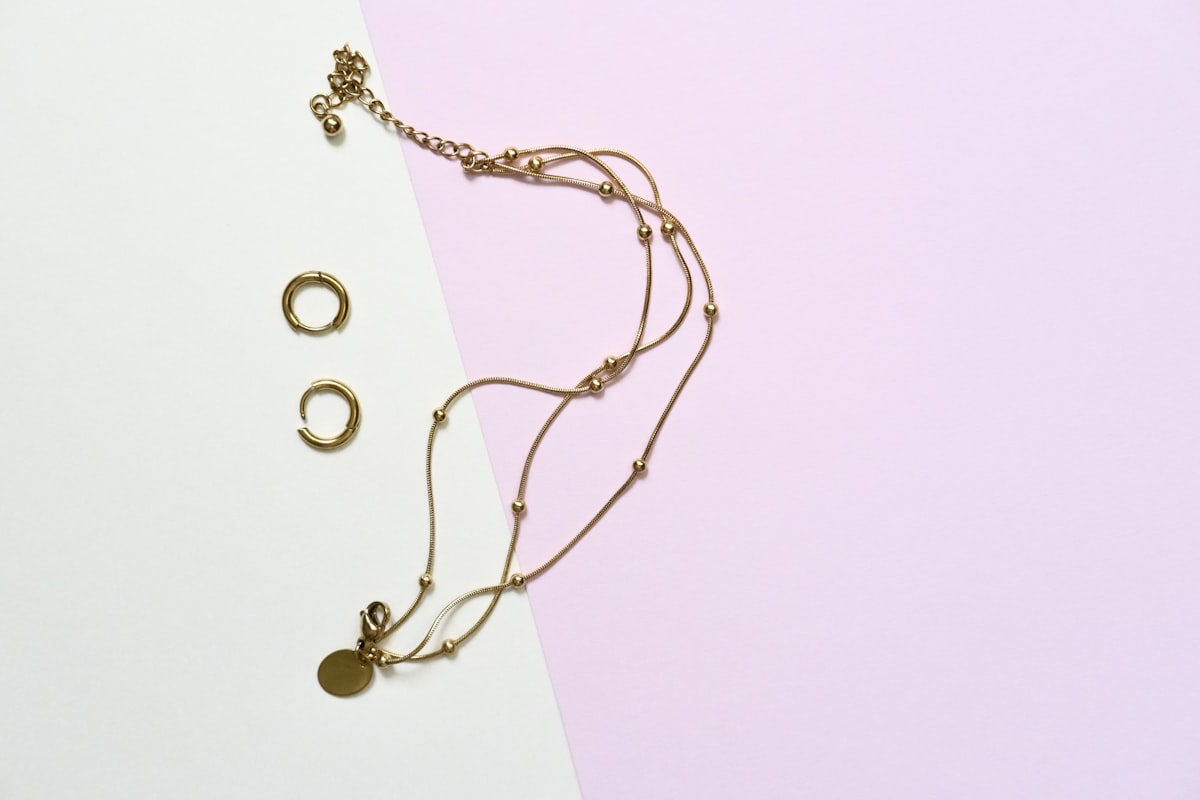
Match the finish to how the piece will be used and priced:
- For low-cost, trend-led or short-season pieces, thin gold plating keeps the entry price down.
- For affordable everyday fashion that faces sweat and incidental water, a gold PVD coating on 316 stainless steel offers strong colour life without solid-gold pricing.
- For a precious-metal base at a mid price, vermeil provides a sterling silver core beneath the gold.
- For more real gold content than plating on simple forms such as hoops and chains, gold filled wears well.
- For heirloom value, resizing and decades of wear, solid gold avoids any surface coating.
None of these is universally best; the right pick depends on whether durability, real gold content, price or base metal matters most for the design.
How to verify a finish when buying wholesale
The finish name is only a starting point. For wholesale or custom-production work, write the specification clearly so samples and bulk production match, and ask any supplier for:
- The base metal and grade: 316 stainless steel, sterling silver, brass, copper or alloy.
- The coating type: electroplating, PVD, gold filled or vermeil, with thickness where relevant.
- The target karat colour and shade, so batches stay consistent.
- Nickel release and other market-compliance requirements, plus how adhesion and colour are checked between batches; material test documentation can be requested from any supplier.
Written specifications matter because the same finish name can hide very different quality, and clear samples prevent mismatched expectations between a quote and delivered stock.
Understanding the four constructions turns which is best into a clear match between finish, budget and how a piece will be worn. To compare gold-tone options on a corrosion-resistant base, see gold PVD jewelry wholesale, or discuss a specific finish specification through the contact page.
Gold finishes compared: FAQ
Is gold plated real gold?
The outer layer is real gold, but the item is not solid gold. The gold is a thin surface layer bonded to a different base metal.
Is PVD better than gold plating?
For abrasion resistance on stainless steel, a quality gold PVD coating is often more durable than standard gold electroplating. For stated real-gold content, a plated finish with a declared karat and thickness may be more relevant. The better choice depends on what is being prioritised.
Is gold filled better than gold plated?
Usually yes for wear life, because gold filled carries a much thicker bonded gold layer. It also costs more and suits simpler forms such as wire, hoops and chains rather than complex cast shapes.
Is vermeil the same as ordinary gold plating?
Vermeil is a specific type of gold plating that requires a sterling silver base and defined minimum gold karat and thickness. It is still a plated surface, so it can wear, but the metal beneath is silver rather than brass.