Does Surgical Steel Tarnish? A 316L Stainless Steel Jewelry Guide
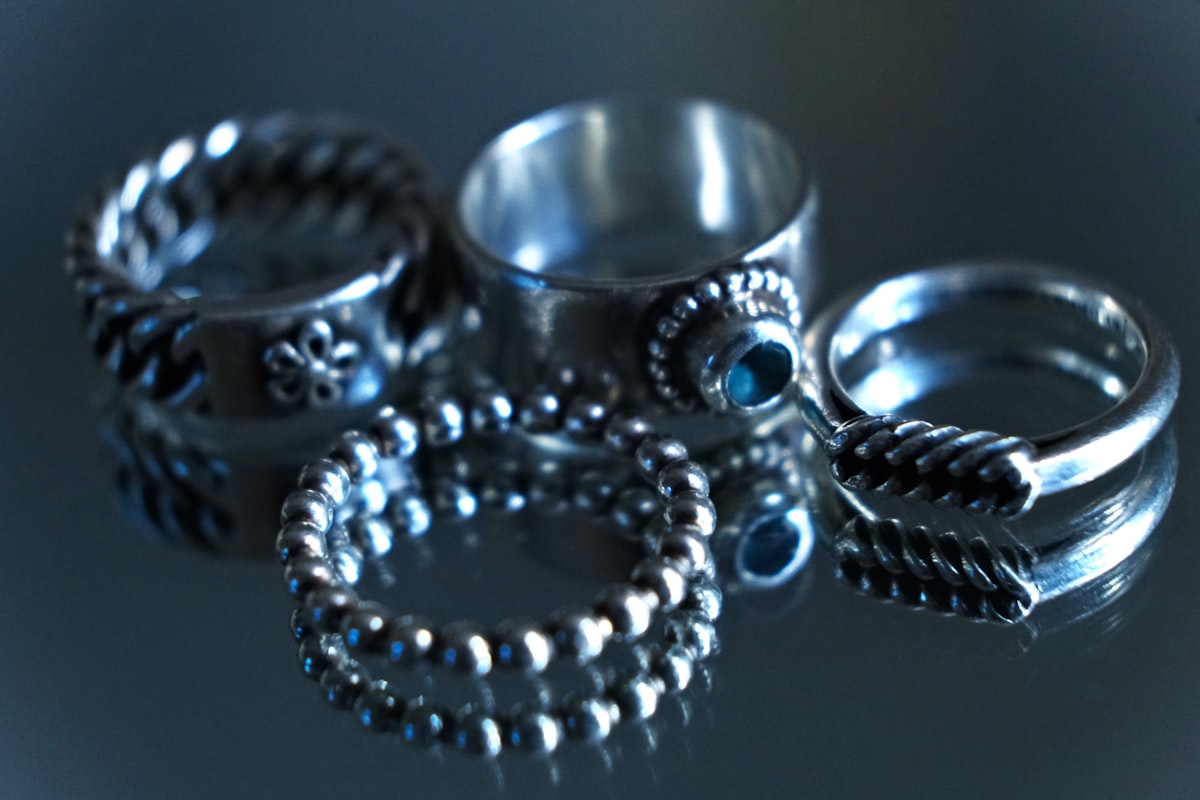
Surgical steel does not tarnish the way sterling silver, brass or copper do. In jewelry, "surgical steel" almost always means 316L stainless steel, an iron-based alloy with chromium, nickel and molybdenum added for corrosion resistance. When the surface is properly finished, 316L forms a very thin chromium-oxide layer that shields the metal from oxygen and moisture, so plain polished pieces keep their silver tone rather than turning black, green or brown.
That resistance is not the same as being indestructible. The honest answer is that unplated 316L surgical steel rarely tarnishes, but a piece can still discolour if it meets harsh chemicals, is contaminated during production, is poorly polished, or carries a coloured plating that eventually wears. Understanding which of these is happening explains almost every complaint about "tarnished" surgical steel.
What "surgical steel" actually is
The surgical steel used in most body jewelry, earrings, necklaces and rings is 316L stainless steel. As the reference description of surgical stainless steel notes, the term covers a group of corrosion-resistant grades rather than one strictly defined material, and 316L is the grade most jewelry relies on. The "316" is the alloy family and the "L" means low carbon, which reduces carbide precipitation during heating and helps preserve corrosion resistance after welding or high-temperature work.
From a production standpoint the grade alone is not the whole story. A clean polish, controlled passivation, sound casting or stamping, and proper plating preparation all affect how well finished jewelry resists discolouration in real use.
Why 316L surgical steel resists tarnish
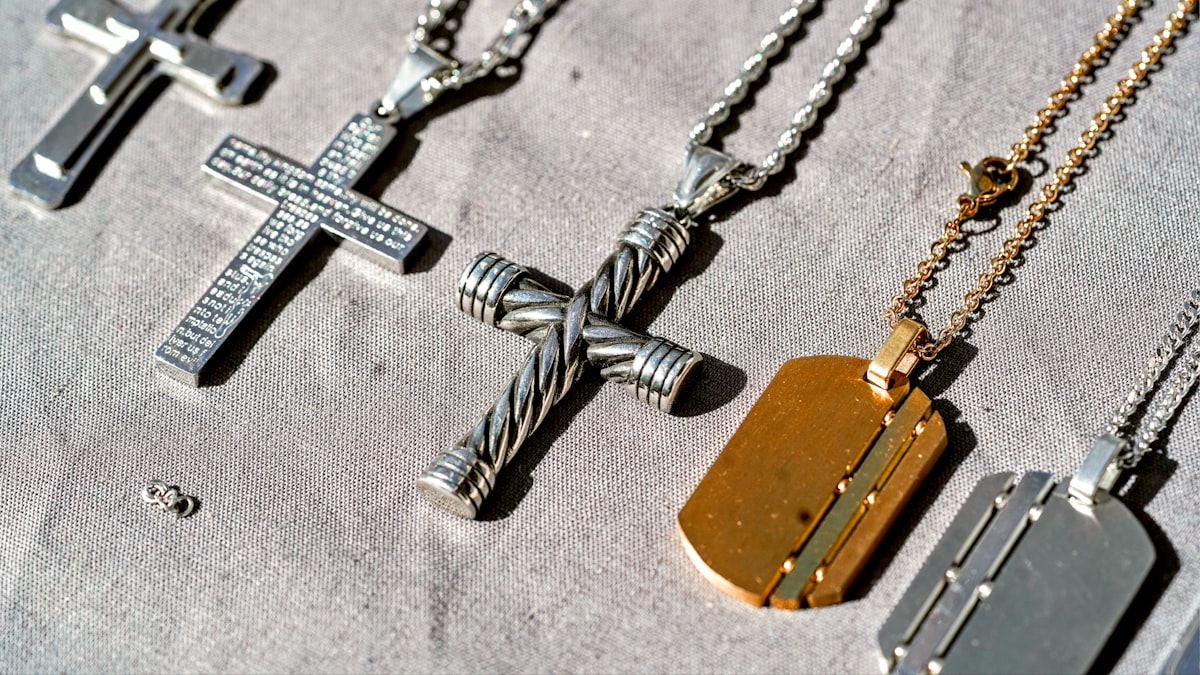
Tarnish, as a general description of the process explains, is a surface reaction between a metal and its environment, copper going green, silver going black. 316L resists it for two reasons. First, it contains enough chromium to form a passive chromium-oxide film that is extremely thin, invisible and self-renewing: if the surface is lightly scratched, the chromium reacts with oxygen again and rebuilds the layer. This is part of the steel's own behaviour, not a coating painted on top.
Second, molybdenum improves resistance to chlorides. Sweat, pool water, seawater and some cosmetics contain chlorides, which attack weak points in many metals and cause localised pitting. An overview of 316L properties describes its stronger chloride resistance compared with common grades such as 304. That does not mean 316L should be soaked in chlorine or salt water for long periods; it means the alloy copes better with the everyday moisture and salts jewelry meets.
When surgical steel jewelry can discolour
Most reports of tarnished surgical steel trace back to one of four causes.
- Harsh chemicals. Chlorine bleach, pool chemicals, strong disinfectants, hair dye and acidic or abrasive cleaners can damage the passive layer or stain the surface.
- Plating wear. Gold, black, rose-gold and rainbow finishes are usually plated or PVD-coated. The 316L base resists corrosion, but the coloured surface can scratch, fade or wear through to reveal the steel beneath.
- Salt and residue buildup. Dried sweat mixed with lotion, sunscreen or perfume can leave dull deposits that look like tarnish until cleaned off.
- Contamination or the wrong alloy. Iron particles from tools or mixed-metal production can leave rust-coloured spots, and jewelry sold vaguely as "stainless steel" may use a lower grade with weaker corrosion resistance.
How to keep surgical steel jewelry looking new
Simple habits prevent most discolouration.
- Clean with mild soap and warm water, then dry fully with a soft cloth.
- Avoid chlorine bleach, strong disinfectants, silver dips and abrasive cleaners.
- Put jewelry on after perfume, hairspray, sunscreen and lotion have dried.
- Rinse after heavy sweat, swimming or saltwater exposure when possible.
- Store pieces separately so polished or plated surfaces do not rub against harder items.
- Treat plated surgical steel as plated jewelry: durable when well made, but not immune to scratching or long-term wear.
How to verify surgical steel when buying wholesale
For retailers and brands, "surgical steel" on a label is a claim, not proof, so treat the material as a written specification.
- Ask for 316L confirmation, per SKU. Request the exact grade on the base metal for every line rather than the flagship pieces only.
- Request test documentation. Material declarations, salt-spray results and nickel-release information for the target market can be requested from any supplier; the relevant nickel-release method is EN 1811.
- Check plating where colour is used. Ask for adhesion or corrosion test results on gold, black and rose-gold finishes, since the coating fails before the steel does.
- Sample and wear-test. A short trial through sweat and washing reveals finishing quality that a specification sheet cannot.
For pieces specified on verified 316L, see the 316L stainless steel wholesale range, or read the care guide for keeping finishes looking new.
FAQ
Does surgical steel tarnish or turn green?
Genuine 316L surgical steel does not normally tarnish or turn skin green. Green marks are more typical of copper-containing alloys, so a piece sold as surgical steel that greens quickly may be plated over another base metal, contaminated or mislabelled.
Is surgical steel hypoallergenic?
For many wearers 316L is comfortable in everyday jewelry, because nickel release is low when the surface is properly finished. It still contains nickel, so anyone with a severe nickel allergy should be cautious and may prefer titanium or a verified nickel-release-compliant material.
What is the difference between surgical steel and stainless steel?
Stainless steel is a broad category of corrosion-resistant steel alloys. Surgical steel in jewelry usually refers specifically to 316L, which includes molybdenum for better chloride resistance than many common stainless grades.
Can gold surgical steel tarnish?
The 316L base resists tarnish, but the gold colour is usually plating or a PVD coating. That surface can fade, scratch or wear over time, especially with friction, chemicals or thin low-quality plating.
How can I tell if jewelry is real 316L surgical steel?
Look for clear supplier documentation and material declarations, and request testing where it matters. For wholesale or custom orders, ask for 316L confirmation, nickel-release information for the market, and plating test results when coloured finishes are used.