How to Get Custom Jewelry Made Wholesale (OEM, Step by Step)
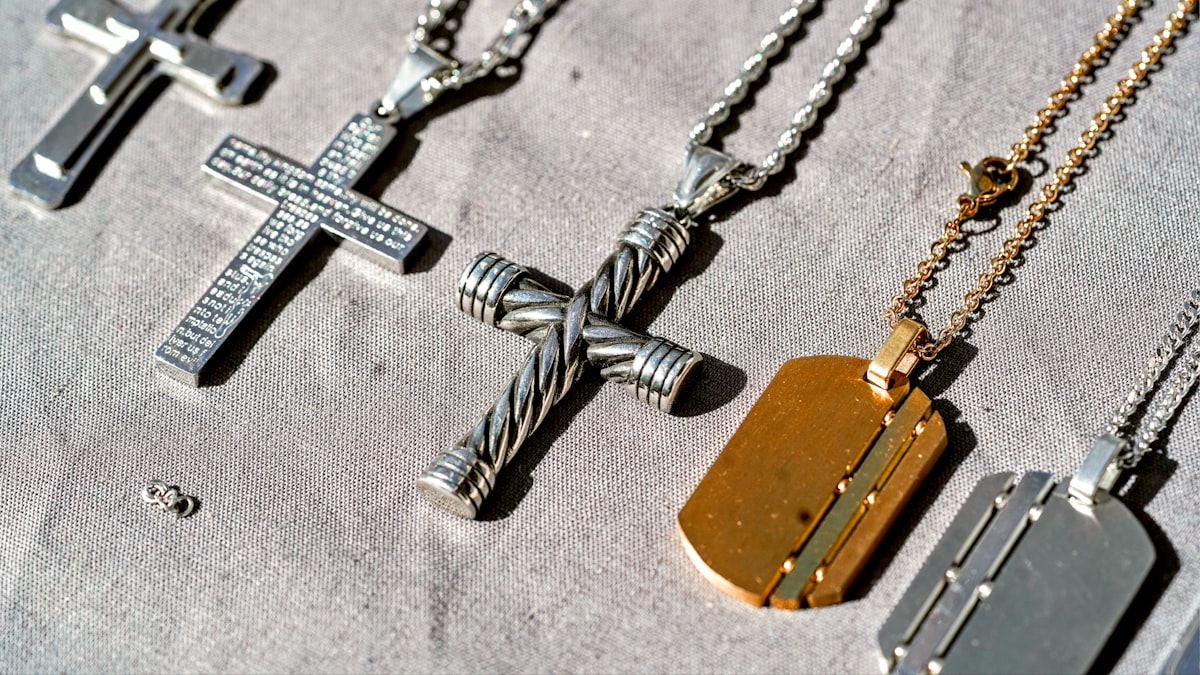
Quick answer: to get custom jewelry made wholesale you need an OEM manufacturer, a written specification, and a realistic minimum order per design. Industry-typical advertised MOQs run from 100 to 500 pieces per design; here, OEM production in 316 or 316L stainless steel starts at a minimum order of 200 pieces per design. Ready stock is a separate route with no minimum order at all. This guide walks through the process, the numbers, and the traps.
OEM, ODM, custom production — which one are you actually asking for?
Custom production is the light version: existing designs. It needs no tooling and small quantities. OEM means the factory produces your design to your written specification. ODM means the factory adapts one of its own designs for you. Most first custom projects are really custom production or light ODM, and cost far less than buyers expect; full OEM is where minimums and sampling rounds matter.
The process, step by step
1. Written brief. Material grade (for steel: 304, 316 or 316L — if the grade matters to your customers, name it now; here is what 316L does and does not guarantee), finish, dimensions, stone or enamel details, and any testing requirements. Everything left vague at this stage becomes the factory's choice later.
2. Quotation. A serious OEM quote names the material grade, the unit price at your quantity, the sampling cost, and the minimum order per design — in writing. The written grade is the difference between a guaranteed alloy and a decorative stamp.
3. Sample round. Expect to pay for samples and to iterate once. Approve the sample physically — weight, finish, clasp — before releasing bulk. The approved sample becomes the quality reference for the whole run.
4. Bulk and inspection. Bulk production is checked against the approved sample. Lead time is confirmed per programme in the quotation rather than promised generically.
5. Reorder. Reorders skip the sampling round, which is where the economics improve — and where lower per-design minimums for returning customers come from.
Ready stock vs OEM: the honest comparison
| Buyer factor | Ready stock | OEM / custom production |
|---|---|---|
| Minimum order | None — from 1 piece | From 200 pieces per design |
| Price basis | Public USD prices, tiers at 3 and 10 pieces | Quoted per programme, in writing |
| Material grade | Stated per SKU; ungraded pieces are described only as stainless steel | Contractually specified — 316 or 316L in the written order |
| Speed | Dispatch in roughly 3–7 days (median just under 4) | Sampling plus production, confirmed per programme |
The traps that cost first-time buyers money
Testing the market with OEM. The expensive mistake is custom-producing an unproven design. Test demand with ready stock or custom production first — from 1 piece, with per-piece prices stepping down at 3 and 10 — then commit tooling money to winners. Grade by handshake. If the alloy matters, it belongs in the quotation and the order, not in a chat message. Comparing advertised MOQs blindly. A low advertised MOQ with a high sampling fee can cost more than the reverse; compare the landed cost of the whole first run.
FAQ
What is a normal minimum order for custom jewelry?
Advertised MOQs of 100–500 pieces per design are common across the industry. Here, OEM runs in 316 or 316L start at 200 pieces per design. Ready stock is separate and has no minimum order.
What materials can be specified for OEM?
For steel programmes: 304, 316 or 316L stainless steel, with the grade written into the quotation and order, plus finishes such as PVD specified per programme. Details on the custom manufacturing page.
Where do I start?
The OEM/ODM page covers terms and the brief template; jewellery MOQs explained covers what minimums to expect across the market.