Aubervilliers, Rue du Temple, or Online: How to Source Wholesale Jewelry for Resale
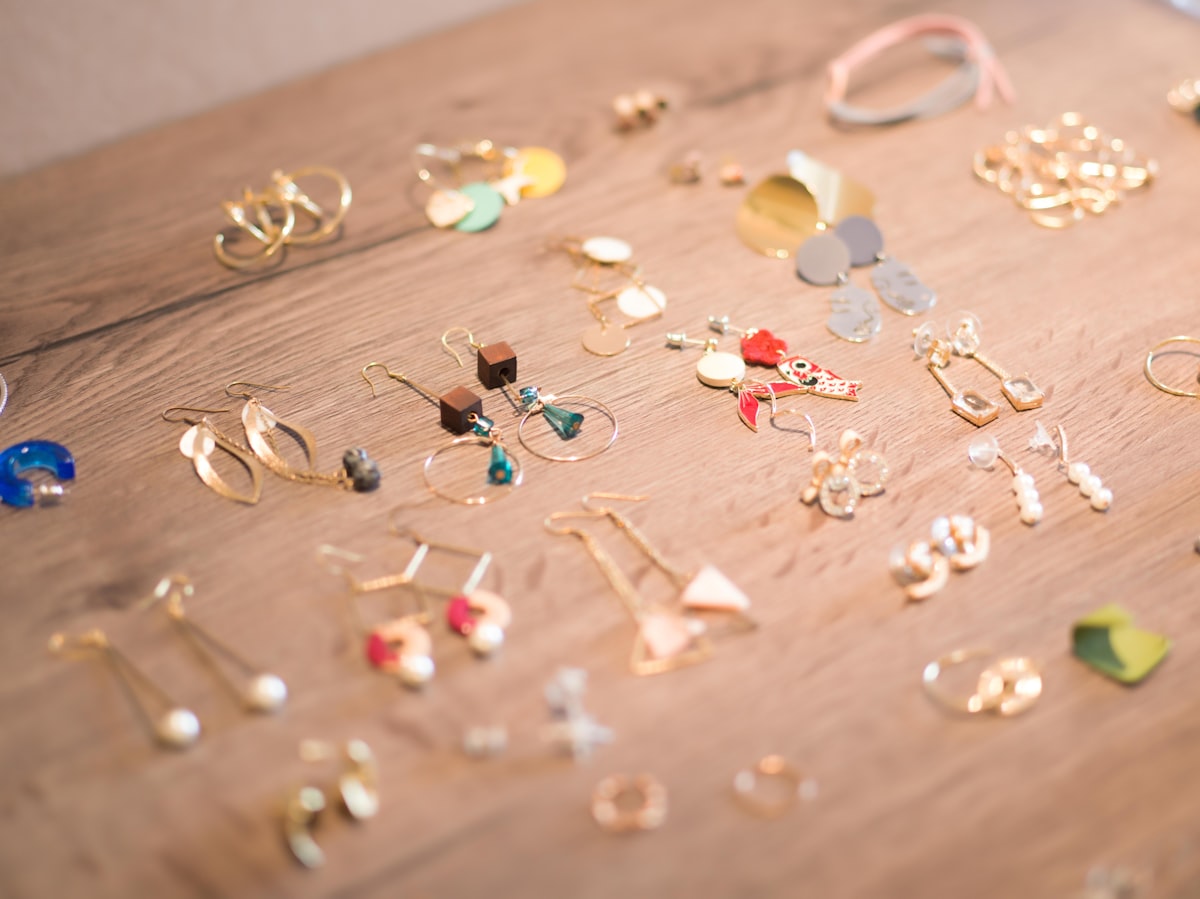
Why French resellers compare districts with online wholesale
For many French boutiques, retailers, resellers, and brands, the search starts with a place: Aubervilliers, Rue du Temple in Paris, or the wholesale streets of Marseille. These districts are still legitimate sourcing options because they let buyers see products in person and leave with stock the same day.
At the same time, online wholesale has become a serious alternative for resellers who want clearer pricing, lower starting quantities, prepaid import duties, and better material traceability. The best option depends on how you buy, how quickly you need stock, and how much product information your customers expect.
What the Aubervilliers wholesale jewelry district is
Aubervilliers, just north of Paris, is one of the best-known wholesale areas for fashion goods in France. Buyers visit showrooms and wholesale stores that sell jewelry, accessories, clothing, bags, and related items for resale.
In practice, buying wholesale jewelry in Aubervilliers usually means walking between showrooms, checking trays or displays, asking for prices, and purchasing from available stock. Many sellers operate on a cash-and-carry model: you choose products on site, pay, and take the goods with you immediately.
How buying in Aubervilliers usually works
- Showroom browsing: buyers compare styles in person, often across several nearby suppliers.
- Immediate stock: available products can usually be taken away the same day after payment.
- Lot minimums: some wholesalers may require minimum quantities by style, tray, pack, or total order value.
- Professional buyer expectations: some sellers may ask for business details, a company registration number, or proof that you are buying for resale.
- Variable product information: material details, plating grades, stone descriptions, and origin information can vary from one seller to another.
Because each wholesaler sets its own rules, resellers should confirm minimums, payment methods, invoices, return conditions, and material descriptions before buying.
Rue du Temple in Paris: the central wholesale option
Rue du Temple and the surrounding streets in Paris are another classic area for wholesale jewelry and fashion accessories. Compared with Aubervilliers, the location can be more convenient for buyers already in central Paris, especially those combining sourcing with store visits, appointments, or trend research.
The buying process is similar: visit showrooms, inspect products directly, ask for wholesale conditions, and purchase what is available. For resellers focused on fast replenishment, Rue du Temple can be useful when they need to check styles quickly without waiting for shipping.
The trade-off is that central Paris sourcing can involve higher travel and time costs, limited opening hours, and wholesale conditions that differ by shop. Prices may not always be displayed publicly per piece, so buyers often need to ask, negotiate, or compare manually.
Marseille wholesalers: another traditional sourcing route
Marseille is also part of the traditional wholesale map for fashion accessories and jewelry in France. For boutiques and resellers based in the south of France, Marseille wholesalers can be more practical than traveling to Paris.
As with Aubervilliers and Rue du Temple, the main advantage is physical inspection. Buyers can touch the jewelry, compare colors and finishes, check clasp strength, and leave with immediate inventory when the product is in stock. The same cautions apply: confirm lot minimums, ask for clear invoices, and request precise material information before committing.
The honest advantages of buying in wholesale districts
- You can touch the product: weight, shine, clasp quality, stone setting, and packaging are easier to judge in person.
- You can buy available stock immediately: this is useful before a market, pop-up, launch, or urgent restock.
- You can compare many suppliers in one trip: districts make it possible to see different styles and price levels quickly.
- You avoid shipping wait time: there is no international transit delay when the item is already in the showroom.
- You can build local supplier relationships: regular visits may help buyers understand each shop’s strengths and stock rhythm.
The practical limits of district sourcing
- Travel cost: train, fuel, parking, accommodation, and a full buying day can raise the real cost of stock.
- Opening hours: buyers must adapt to showroom schedules, closures, and busy periods.
- Minimum lots: some sellers require packs, trays, or minimum quantities that may not match a boutique’s testing needs.
- Pricing opacity: prices may be quoted case by case, without a public per-piece price list for easy comparison.
- Material uncertainty: some products may be described broadly as alloy, stainless, plated, or gold color without detailed grade information.
- Limited traceability: if a reseller needs to explain materials clearly to customers, unlabeled grades can become a problem.
These limits do not make district buying wrong. They simply mean the buyer must calculate the full landed cost, including time, travel, unsold lot risk, and the level of material detail available.
How wholesale online wholesale compares
Online wholesale changes the buying process from a physical visit to a transparent product-by-product decision. Jewena is an online wholesale stainless steel jewelry supplier producing in Guangdong on dedicated lines with long-term partner factories in the Dongguan and Foshan jewelry clusters. The model is designed for French boutiques, retailers, resellers, and brands that want to order remotely with clear purchasing conditions.
Point-by-point comparison
- Price visibility: wholesale districts may require asking each seller for pricing, while Jewena shows public wholesale prices online.
- Starting quantity: district sellers may use lot minimums, while Jewena has no minimum order and allows ordering from 1 piece.
- Volume discounts: in districts, discounts depend on the seller; Jewena offers tiered discounts at 3 and 10 pieces.
- Shipping and duties: district buying avoids shipping when you carry stock home; Jewena offers DDP duties-prepaid shipping to Europe, so import duties are prepaid in the shipping model.
- Material traceability: district products may sometimes be sold with broad or unlabeled material descriptions; Jewena focuses on stainless steel jewelry and can distinguish materials such as 316 stainless steel from unlabeled alloy in product sourcing.
- Speed: districts win when you need stock the same day; online wholesale is better when you can plan replenishment around delivery time.
- Assortment testing: online ordering from 1 piece helps resellers test styles before committing to deeper quantities.
For boutiques that sell on product trust, material clarity matters. A customer asking whether a ring is stainless steel, 316 stainless steel, or an unlabeled alloy is not asking a technical question only; they are asking whether the retailer understands what it sells.
When Aubervilliers or Rue du Temple is the better choice
- You need stock today: physical districts are hard to beat for same-day buying.
- You want to judge finishes in person: photos cannot fully replace touch, weight, and live color comparison.
- You are building a local network: repeated visits can help you learn which wholesalers suit your store.
- You are buying mixed categories: districts are convenient when you need jewelry, bags, accessories, and apparel in one trip.
When online wholesale buying is the better choice
- You want transparent per-piece prices: public wholesale pricing makes margin calculation easier.
- You prefer low-risk testing: ordering from 1 piece avoids being locked into unwanted lots.
- You need clearer material information: stainless steel and 316 stainless steel descriptions are easier to manage than vague alloy labels.
- You sell outside Paris: remote ordering avoids repeated travel to wholesale districts.
- You want duties-prepaid delivery: DDP shipping to Europe simplifies landed cost planning.
Decision checklist for French jewelry resellers
Before choosing between Aubervilliers, Rue du Temple, Marseille, or online wholesale, use this checklist.
- Do you need inventory immediately? If yes, a district visit may be the fastest option.
- Can you calculate your full sourcing cost? Include travel, time, food, parking, accommodation, shipping, duties, and unsold lots.
- Do you know the exact material? Ask whether the product is 316 stainless steel, another stainless grade, plated alloy, brass, or another material.
- Are prices comparable per piece? Avoid comparing a lot price with a single-piece online price without breaking down the unit cost.
- Can you test before scaling? If a style is unproven, low quantities reduce risk.
- Will your customers ask material questions? If yes, prioritize suppliers that provide clear product descriptions.
- Do you need invoices and professional records? Confirm documentation before buying, especially for resale accounting.
FAQ
What is the Aubervilliers wholesale jewelry district?
It is a well-known wholesale area north of Paris where professional buyers can visit showrooms and stores selling jewelry, fashion accessories, clothing, and related resale products. Buyers typically compare products on site and buy from available stock.
How does buying wholesale jewelry in Aubervilliers work?
Most buyers visit several showrooms, inspect products in person, ask for prices and minimums, then purchase selected items. Some suppliers use cash-and-carry, meaning buyers pay and take the stock with them the same day. Minimums can vary by supplier, style, pack, or total order value.
Is Rue du Temple in Paris still a jewelry wholesale area?
Yes. Rue du Temple and nearby streets remain a classic Paris sourcing area for jewelry and fashion accessories. It can be practical for buyers who want a central Paris location and direct product inspection.
Are Marseille wholesalers a good alternative?
They can be, especially for boutiques and resellers based in southern France. Marseille offers a more regional route for physical wholesale sourcing, with the same need to check minimums, invoices, prices, and material descriptions.
Do you need a business registration to buy wholesale jewelry in France?
Often, yes, or at least it may be requested. Many wholesale sellers expect buyers to purchase for resale and may ask for business details, a company registration number, VAT information, or an invoice name. Requirements vary by supplier, so confirm before traveling.
Is wholesale online wholesale always cheaper than buying in Paris districts?
Not always. The right comparison is landed cost per sellable piece. District buying may save shipping time, but travel and lot minimums add cost. Online wholesale buying can offer public per-piece prices, no minimum order, tiered discounts, and DDP duties-prepaid shipping, which makes margin planning easier.
Why does material traceability matter for jewelry resellers?
Material traceability helps retailers answer customer questions accurately. A product described as 316 stainless steel is easier to explain than an item sold only as alloy or gold color. Clear material information also helps with pricing, merchandising, and customer trust.
Can I mix both sourcing methods?
Yes. Some resellers use districts for urgent stock or in-person trend checks, then use online wholesale suppliers for planned replenishment, transparent pricing, and clearer stainless steel material information.